Total Solar Eclipse of July 2, 2019
2019 · Buenos Aires, Argentina
A total solar eclipse was visible across parts of the South Pacific, Chile, and Argentina.
June 21, 2010
The longest solar eclipse of the 21st century occurs, lasting up to 6 minutes and 39 seconds.
Various, Various | None
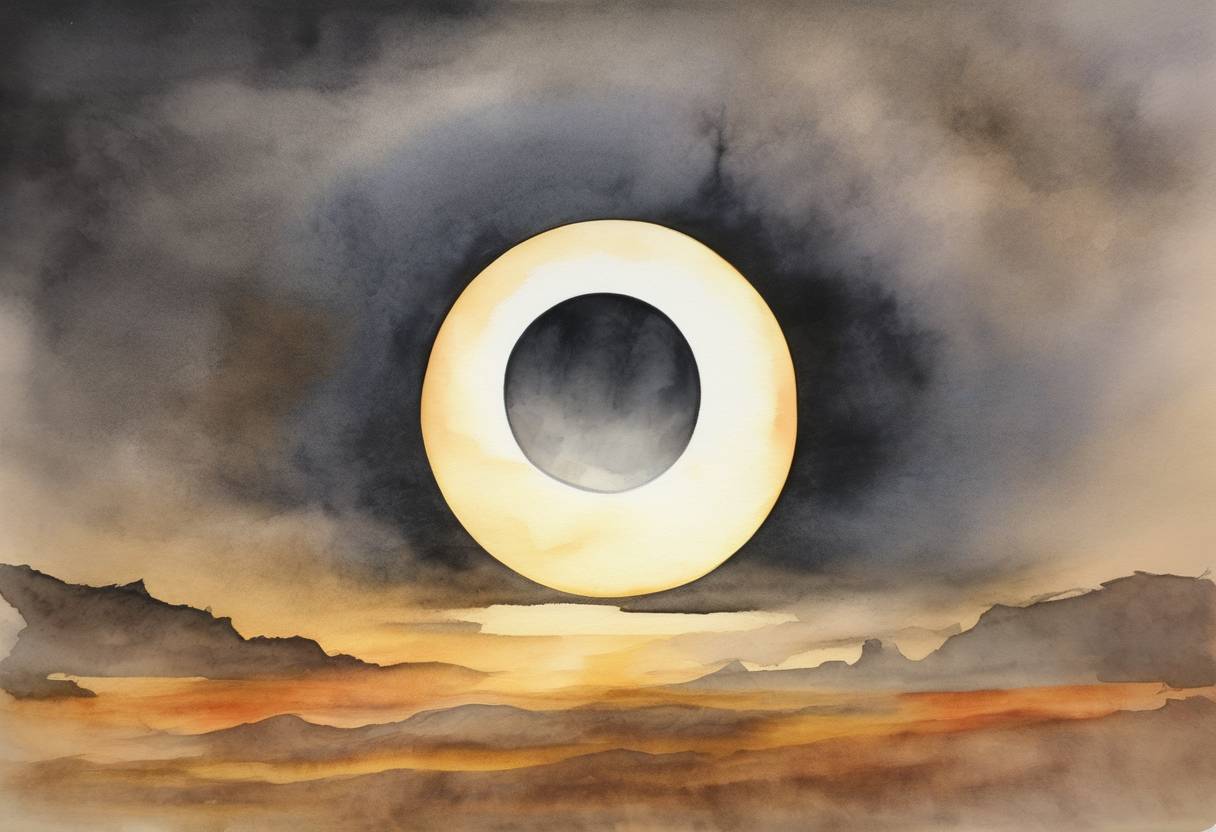
On July 22, 2009, the longest total solar eclipse of the 21st century occurred, lasting up to 6 minutes and 39 seconds at its maximum point. This astronomical event captivated millions of observers across parts of Asia and the Pacific Ocean.
A solar eclipse occurs when the Moon passes between the Earth and the Sun, temporarily obscuring the Sun’s light. A total solar eclipse, in particular, happens when the Moon’s apparent diameter is larger than the Sun’s, blocking all direct sunlight and turning day into night for a brief period.
The path of totality for this eclipse stretched across several countries:
This eclipse was notable not only for its duration but also for the large population centers it passed over, allowing millions to experience the phenomenon. It provided a unique opportunity for scientific study, particularly in the fields of solar physics and atmospheric science.
The July 22, 2009, eclipse remains a significant event in the field of astronomy due to its duration and the breadth of its visibility. It sparked widespread interest in solar eclipses and inspired many to travel to witness future eclipses.
The eclipse was a major cultural event in many regions, with numerous festivals and gatherings organized to celebrate and observe the celestial phenomenon. It also highlighted the importance of scientific outreach and education, as many organizations worked to provide information and resources to the public.
In summary, the longest solar eclipse of the 21st century on July 22, 2009, was a remarkable event that combined scientific inquiry with cultural celebration, leaving a lasting impression on those who witnessed it.
Source: en.wikipedia.org