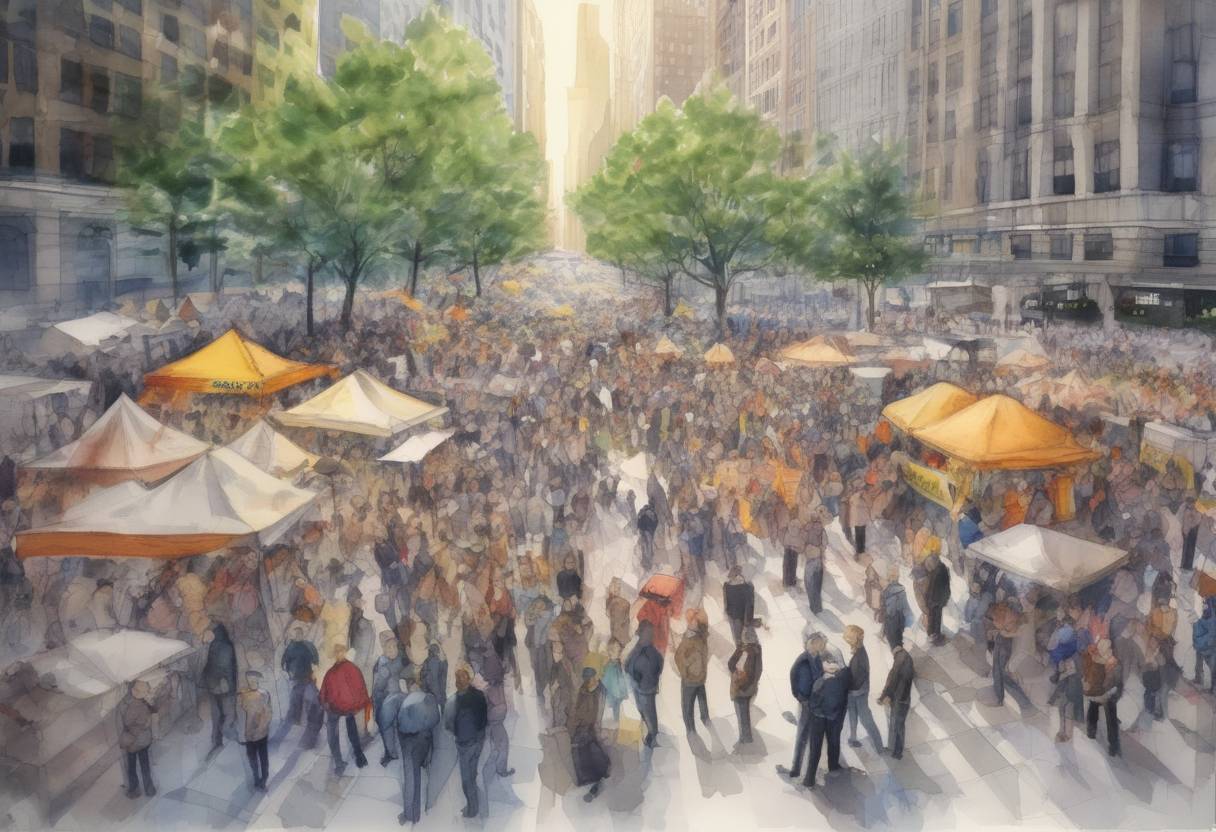
Clearing of Zuccotti Park: November 15, 2011
On November 15, 2011, the Occupy Wall Street movement faced a significant setback when New York City police cleared Zuccotti Park, the epicenter of the protest. This event marked a pivotal moment in the movement, which had begun on September 17, 2011, as a demonstration against economic inequality, corporate influence in politics, and the lack of accountability for the financial crisis.
Background
- Origin: The Occupy Wall Street movement was inspired by global protests against economic inequality and was initially organized by the Canadian activist group Adbusters.
- Location: Zuccotti Park, a privately owned public space in Manhattan’s Financial District, became the movement’s base, symbolizing its proximity to Wall Street and the financial institutions it criticized.
- Goals: The movement’s slogan, “We are the 99%,” highlighted the growing income disparity between the wealthiest 1% and the rest of the population.
Events Leading to the Clearing
- Growth and Influence: The movement quickly gained traction, with similar protests emerging in cities across the United States and around the world.
- Challenges: As the occupation continued, issues such as sanitation, safety, and the legality of the encampment became points of contention between protesters and city officials.
- Legal and Political Pressure: The city faced increasing pressure from businesses and residents to address the encampment, leading to legal battles over the right to protest in the park.
The Clearing of Zuccotti Park
- Police Action: In the early hours of November 15, 2011, New York City police, under the direction of Mayor Michael Bloomberg, moved in to clear the park. The operation involved hundreds of officers and resulted in the arrest of approximately 200 protesters.
- Reasons Cited: City officials cited health and safety concerns, as well as the need to restore the park for public use, as reasons for the eviction.
- Protester Response: The clearing was met with resistance from protesters, who viewed it as an infringement on their right to assemble and express dissent.
Aftermath and Significance
- Legal Battles: Following the eviction, protesters sought legal recourse to return to the park, but a court ruling upheld the city’s decision, allowing protesters to return without tents or sleeping bags.
- Impact on the Movement: The clearing of Zuccotti Park marked a turning point for Occupy Wall Street. While it diminished the physical presence of the movement, it did not end its influence. The movement continued to inspire discussions on economic inequality and social justice.
- Legacy: Occupy Wall Street is credited with bringing issues of economic disparity and corporate influence into the mainstream political discourse, influencing subsequent movements and policy discussions.
The clearing of Zuccotti Park remains a significant event in the history of social movements in the United States, illustrating the challenges and complexities of sustaining grassroots activism in the face of legal and political obstacles.