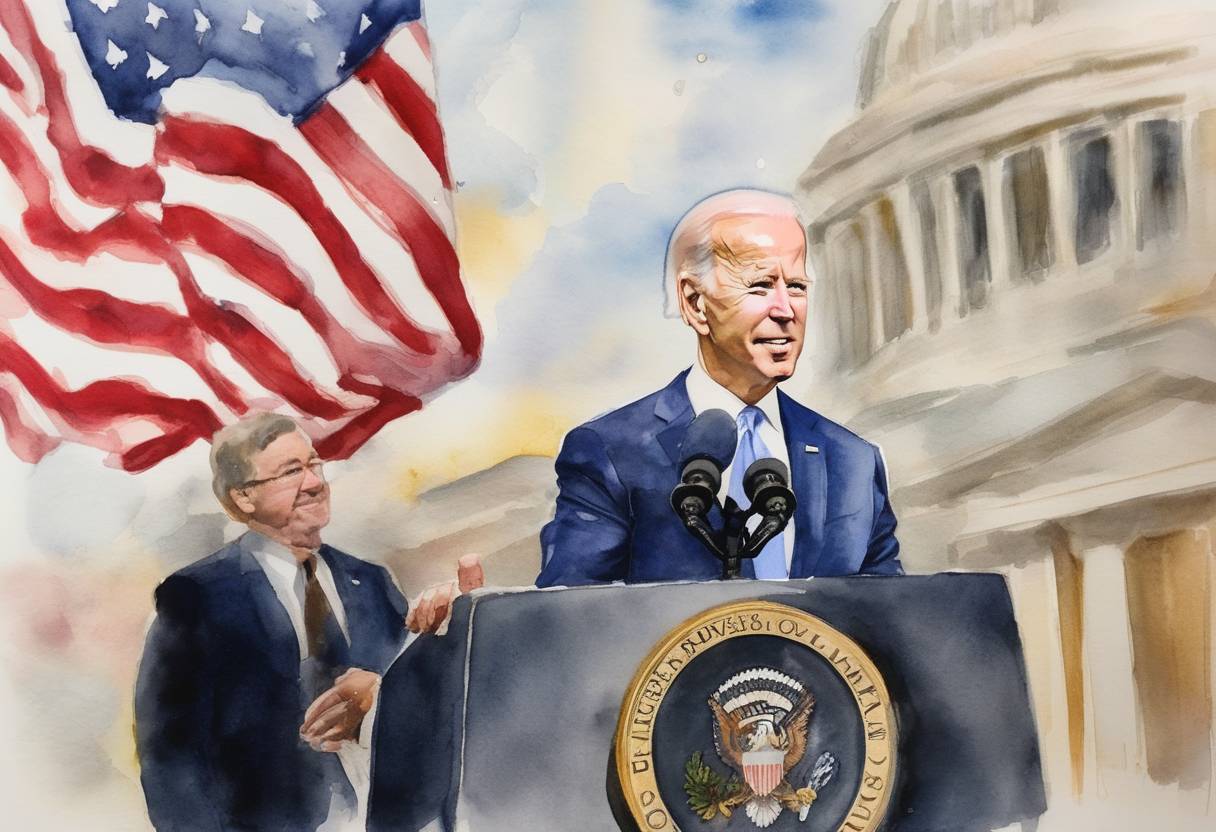
Largest Ever Release of Oil from US Strategic Reserves
On April 1, 2022, United States President Joe Biden announced the largest-ever release of oil from the country’s Strategic Petroleum Reserve (SPR). This measure was designed to combat high fuel prices that were exacerbating economic pressures amid heightened global tensions and surging energy demand.
Context and Reasons
The decision came in the wake of geopolitical instability, particularly due to the Russian invasion of Ukraine, which began in late February 2022. The conflict had led to significant disruptions in global energy markets, pushing fuel prices upward just as economies worldwide were trying to recover from the impacts of the COVID-19 pandemic. In response, nations sought methods to stabilize energy prices and reduce financial strain on their citizens.
Details of the Release
President Biden announced the release of approximately 1 million barrels of oil per day over the course of six months, totaling around 180 million barrels. This strategic action was unprecedented in its scale, surpassing earlier releases from the SPR both in duration and volume.
Objectives
The primary aim of this large-scale release was to:
- Ease Fuel Costs: By increasing the supply of oil on the market, the initiative sought to lower gasoline prices for consumers and businesses in the United States.
- Stabilize Global Markets: The action was also intended to help stabilize the global oil market by filling some of the supply gaps created by disruptions in Europe’s energy supply.
- Provide Economic Relief: By alleviating financial pressures on American families due to rising energy costs, the administration hoped to stimulate economic confidence and growth.
Broader Implications
The announcement was part of a broader strategy of international energy coordination, as the U.S. engaged with allies and partners to increase global oil supply. The release emphasized the U.S. commitment to energy stability and underscored the importance of strategic reserves in addressing short-term crises.
Consequences
The decision sparked a range of reactions. Supporters argued that it was a necessary step to protect consumers and the economy. Critics expressed concerns about depleting the reserve, which is intended for severe energy disruptions, raising questions about long-term energy policies and the transition to renewable energy sources.
In conclusion, the release marked a significant intervention in the energy sector by the U.S. government, reflecting the complexities of managing national and global economic imperatives in times of crisis.