The Poor Law Amendment Act of 1847
1847 · London, United Kingdom
The UK Parliament passed the Poor Law Amendment Act, amending the system established by the Poor Law Amendment Act of 1834 concerning the care of the poor.
February 1, 2010
The controversial United Kingdom Equality Bill, aiming to consolidate anti-discrimination laws and introduce new measures to combat inequality, passed a significant stage in the House of Lords before receiving Royal Assent later that year.
London, United Kingdom | UK Parliament
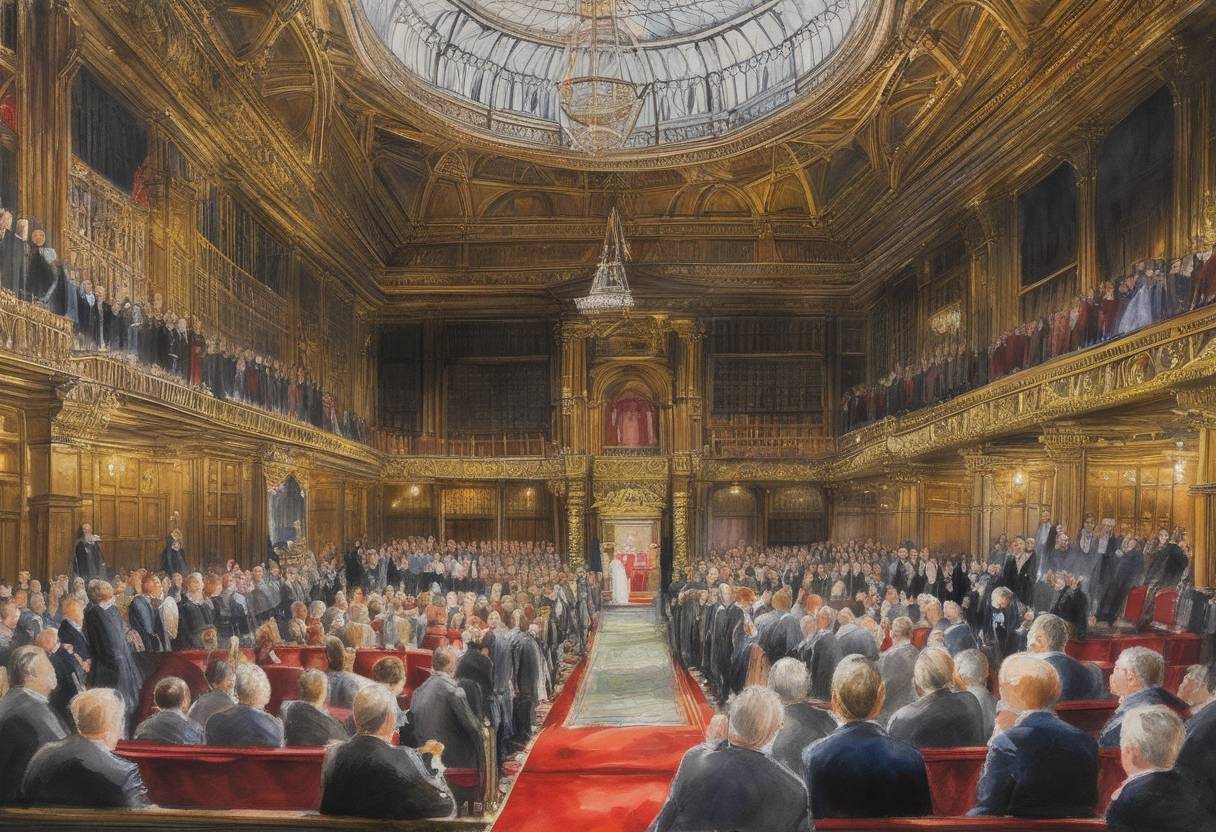
On February 1, 2010, the UK Equality Bill reached a significant milestone in its legislative process as it passed a crucial stage in the House of Lords. The bill aimed to consolidate existing anti-discrimination laws and introduce new provisions to enhance protection against discrimination and promote equality.
The Equality Bill was introduced in April 2009 by Harriet Harman, the then-Minister for Women and Equality. The primary purpose of the bill was to harmonize and streamline previous anti-discrimination legislation, such as the Sex Discrimination Act 1975, the Race Relations Act 1976, and the Disability Discrimination Act 1995, among others.
The Equality Bill contained several important provisions designed to tackle various forms of discrimination and promote equality, including:
Protected Characteristics: It identified nine protected characteristics, including age, disability, gender reassignment, race, religion or belief, sex, sexual orientation, marriage and civil partnership, and pregnancy and maternity.
Public Sector Equality Duty: The bill introduced a duty for public bodies to consider how their policies and decisions might affect people with different protected characteristics and to actively promote equality.
Positive Action: It allowed employers to implement positive action measures to address disadvantages experienced by individuals with protected characteristics.
Transparency in Pay: It aimed to tackle pay discrimination by introducing measures to require employers to report on pay disparities based on gender.
Harassment and Victimization: It strengthened protections against workplace harassment and victimization.
Upon its passage through the House of Commons, the bill was debated in the House of Lords starting in November 2009. February 1, 2010, marked a pivotal day as the bill navigated key stages in the House of Lords. The Lords scrutinized the bill’s provisions, debated potential amendments, and assessed the implications for existing laws and regulations.
The bill continued to be debated and refined before finally receiving Royal Assent on April 8, 2010, becoming the Equality Act 2010. The Act represented a landmark in UK legislation, setting a comprehensive legal framework for combating discrimination and fostering equality across the nation.
The Equality Act 2010 remains a cornerstone of UK anti-discrimination law, reflecting an ongoing commitment to a more equal and inclusive society.
Source: www.theguardian.com