Moscow Metro Bombings - March 29, 2010
2010 · Moscow, Russia
Two female suicide bombers attack the Moscow Metro during the morning rush hour, killing 40 people and injuring over 100 others.
February 25, 1994
Baruch Goldstein, an American-Israeli physician, opened fire on a group of Palestinian Muslims praying at the Ibrahimi Mosque in Hebron, killing 29 people and injuring 125.
Hebron, Israel | none
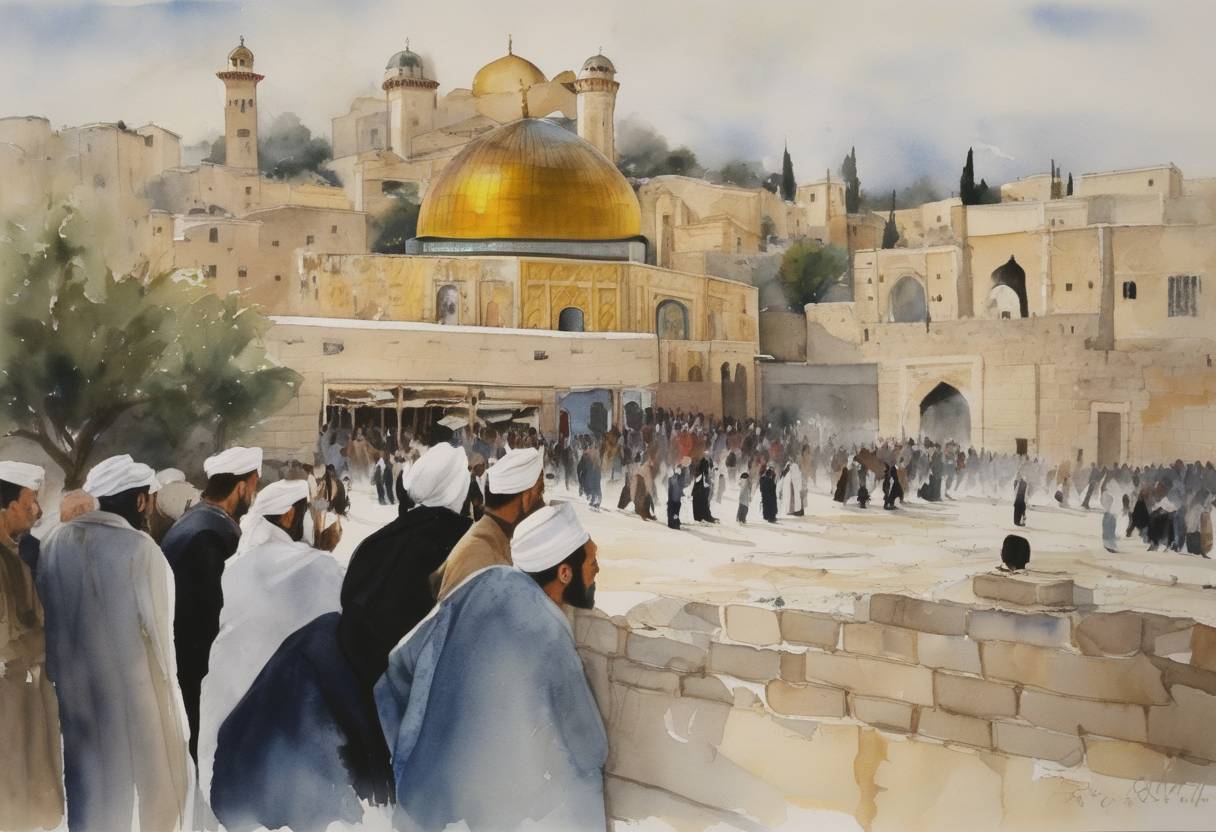
On February 25, 1994, a tragic and violent incident occurred in the city of Hebron, located in the West Bank, when Baruch Goldstein, an American-Israeli physician, carried out a mass shooting at the Ibrahimi Mosque. This event, often referred to as the Hebron massacre, resulted in the deaths of 29 Palestinian Muslims and injuries to 125 others.
Baruch Goldstein was born in Brooklyn, New York, and was a physician by profession. He immigrated to Israel and became a part of the religious settler community in Kiryat Arba, a Jewish settlement on the outskirts of Hebron. Raised in a milieu that was heavily influenced by Jewish nationalism, Goldstein was a disciple of the controversial Rabbi Meir Kahane, an advocate for hardline Jewish sovereignty and well-known for his anti-Arab rhetoric.
The massacre occurred during a period of heightened tension in the region. The Oslo Accords, signed in 1993, had set in motion a process intended to resolve the Israeli-Palestinian conflict, but also led to increased unrest among groups opposed to the peace process. Hebron, a city of religious significance to both Jews and Muslims, has historically been a flashpoint for conflict, with tensions often running high between the Jewish and Palestinian communities.
On the Jewish festival of Purim, which coincided with the Islamic holy month of Ramadan, Goldstein entered the Ibrahimi Mosque during the morning prayers at the section known to Jews as the Cave of the Patriarchs. Armed with an assault rifle and dressed in his army reserve uniform, he opened fire on the worshippers, causing widespread panic and chaos in the packed mosque.
The attack lasted for about two minutes before Goldstein was overpowered and beaten to death by survivors of the attack. The horrific act not only resulted in a high death toll but also left numerous others severely injured and traumatized.
The Hebron massacre had significant repercussions, both locally and internationally. In the immediate aftermath, violent clashes erupted across the Israeli-occupied territories, leading to further casualties. Israel imposed a two-month curfew on the Palestinian residents of Hebron and temporarily restricted access to the mosque for Muslims.
The massacre profoundly impacted the Palestinian-Israeli peace process. It was condemned widely by international leaders and organizations, including the United Nations, which passed UN Security Council Resolution 904, strongly condemning the act and calling for measures to provide protection for Palestinian civilians.
In Israel, the attack led to intense debate over the role of the settler movement and the government’s policies in the West Bank. While Goldstein was denounced by many Israeli leaders and the broader public, he was seen as a martyr by some extreme right-wing elements, leading to a controversial legacy that sparked further divisions within Israeli society.
The Hebron massacre remains a pivotal event in the history of the Israeli-Palestinian conflict. It highlighted the deep-rooted tensions and ongoing violence in the region, contributing to the complexities of the peace efforts and shaping subsequent dialogues around security, coexistence, and territorial disputes.
This tragic event underscored the need for a comprehensive and sustainable resolution to the longstanding conflict, emphasizing the challenges faced by leaders and communities in achieving lasting peace in the region.
Source: www.britannica.com