October 31, 2014

Virgin Galactic's SpaceShipTwo crashed in the Mojave Desert during a test flight, resulting in the death of one pilot and injuring another.


Mojave, United States | Virgin Galactic
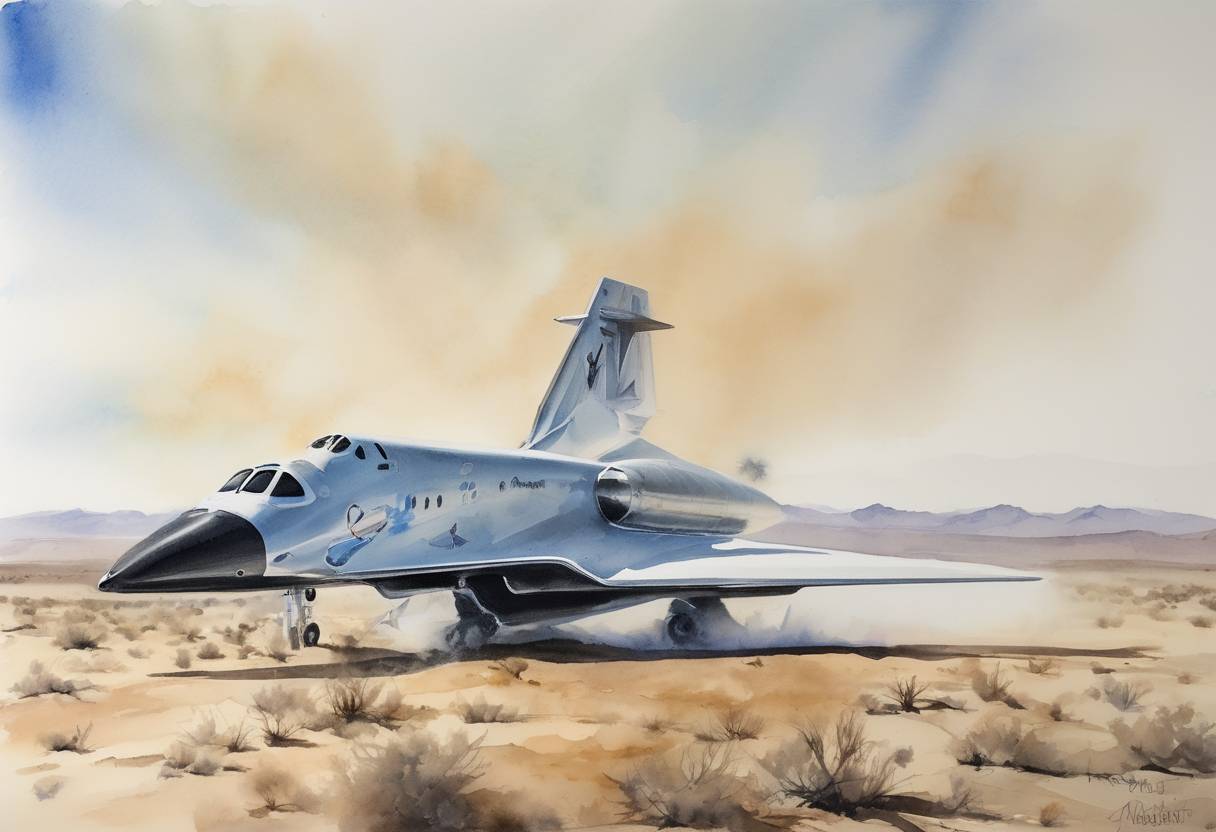
Watercolor painting based depiction of Virgin Galactic's SpaceShipTwo crashed in the Mojave Desert during a test flight, resulting in the death of one pilot and injuring another. (2014)

SpaceShipTwo Crash in the Mojave Desert - October 31, 2014

On October 31, 2014, a tragic accident occurred during a test flight of Virgin Galactic’s SpaceShipTwo, marking a significant setback in the commercial spaceflight industry. The spacecraft crashed in California’s Mojave Desert, resulting in the death of one pilot and serious injuries to another.

Background

SpaceShipTwo was part of Virgin Galactic’s ambitious plan to pioneer commercial space tourism. Designed as a suborbital spaceplane, it was developed to carry passengers on a journey to the edge of space, providing a brief experience of weightlessness and a view of Earth from afar.

The Crash

  • Flight Details: The vehicle was on a test flight conducted by Virgin Galactic and Scaled Composites, a company specializing in experimental aircraft.
  • Incident: Shortly after separating from its mothership, WhiteKnightTwo, at high altitude, SpaceShipTwo experienced a catastrophic failure, breaking apart mid-air.
  • Casualties: The crash resulted in the death of co-pilot Michael Alsbury. Pilot Peter Siebold survived but sustained severe injuries. He was able to parachute to safety and was found injured but alive.

Investigation

  • Points of Failure: The National Transportation Safety Board (NTSB) led the investigation into the accident. Initial assessments pointed to the unintended premature deployment of the spacecraft’s feathering system—a mechanism designed to slow and stabilize the vehicle during re-entry.
  • Human Factors: The NTSB’s final report indicated that the co-pilot unlocked the feathering system too early, attributing the incident to human error and inadequate training for handling inadvertent activation.

Aftermath

  • Impact on Virgin Galactic: The crash delayed Virgin Galactic’s commercial spaceflight ambitions as it led to extensive reviews and modifications to ensure future safety.
  • Regulatory and Safety Changes: Following the investigation, there were heightened calls for enhanced training programs and safety measures in the commercial spaceflight sector.

Broader Significance

The SpaceShipTwo accident highlighted the inherent risks in pioneering technologies such as commercial space travel. It underscored the importance of robust safety protocols and rigorous testing in the development of new aerospace vehicles. The tragedy served as a learning point, shaping future strategies to ensure the safety and success of commercial space ventures.

Source: www.bbc.com