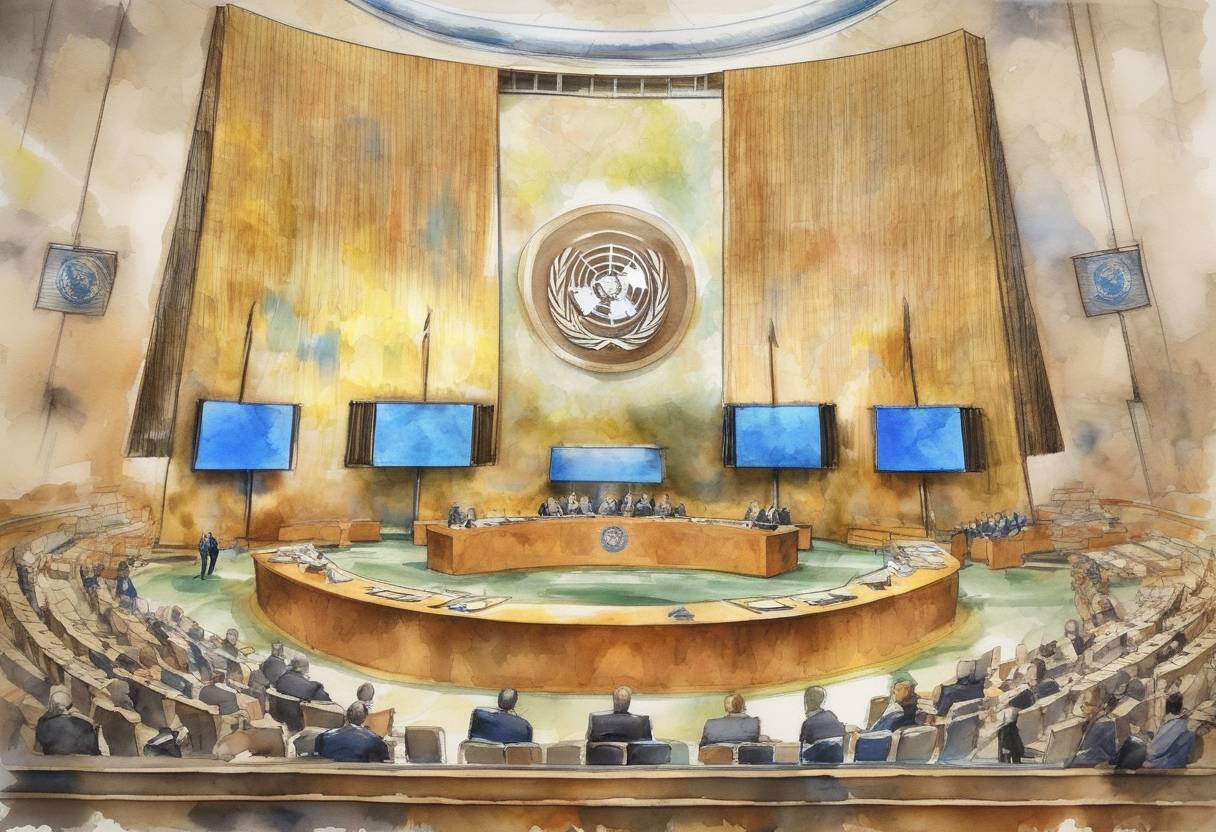
United Nations General Assembly Resolution on Ukraine’s Territorial Integrity
On March 27, 2014, the United Nations General Assembly (UNGA) adopted Resolution 68⁄262, which affirmed Ukraine’s territorial integrity and recognized Crimea as part of Ukraine. This resolution was a direct response to the geopolitical crisis that unfolded following Russia’s annexation of Crimea earlier that month.
Context Leading to the Resolution
Annexation of Crimea: In February 2014, following political unrest in Ukraine and the ousting of President Viktor Yanukovych, Russian forces began occupying Crimea. A controversial referendum was held on March 16, 2014, in which the Crimean authorities claimed that an overwhelming majority voted to join Russia. The referendum and subsequent annexation were widely criticized and deemed illegitimate by Ukraine and the international community.
International Reaction: The annexation led to significant international condemnation. Western countries, including the United States and members of the European Union, imposed sanctions on Russia. The situation heightened tensions between Russia and the West, reminiscent of Cold War dynamics.
Key Points of the Resolution
Affirmation of Sovereignty: The resolution reaffirmed the sovereignty, political independence, unity, and territorial integrity of Ukraine within its internationally recognized borders.
Non-Recognition of Annexation: It underscored the invalidity of the March 16 referendum in Crimea and declared that it had no legal effect on the status of Crimea or Sevastopol.
Call for Peaceful Resolution: The resolution called for all states and international organizations not to recognize any alteration of the status of Crimea and to refrain from actions that might be interpreted as recognizing any such altered status.
Voting and Support
Voting Outcome: The resolution was adopted with 100 votes in favor, 11 against, and 58 abstentions. Notably, countries such as Russia, Belarus, North Korea, and Syria voted against the resolution.
Significance of Abstentions: The significant number of abstentions highlighted the geopolitical complexities and the varying stances of countries regarding the situation.
Aftermath and Historical Significance
Continued Tensions: The resolution did not change the situation on the ground, as Russia maintained control over Crimea. However, it solidified international opposition to the annexation and reinforced Ukraine’s claims to the territory.
Ongoing Conflict: The annexation of Crimea and the subsequent conflict in Eastern Ukraine have remained central issues in international relations, affecting Russia’s relations with Western countries and contributing to ongoing regional instability.
Legal and Diplomatic Efforts: Ukraine has continued to seek diplomatic and legal avenues to challenge Russia’s actions and garner international support for its territorial claims.
The adoption of Resolution 68⁄262 by the UNGA was a pivotal moment in the international response to the Crimean crisis, emphasizing the principles of international law and the importance of respecting national sovereignty.