West Side Story's Broadway Debut
1957 · New York City, United States
The musical 'West Side Story' made its debut on Broadway at the Winter Garden Theatre.
December 27, 1927
The Show Boat musical by Jerome Kern and Oscar Hammerstein II premiered at the Ziegfeld Theatre in New York City, marking a significant development in American musical theater.
New York City, United States | Ziegfeld Theatre
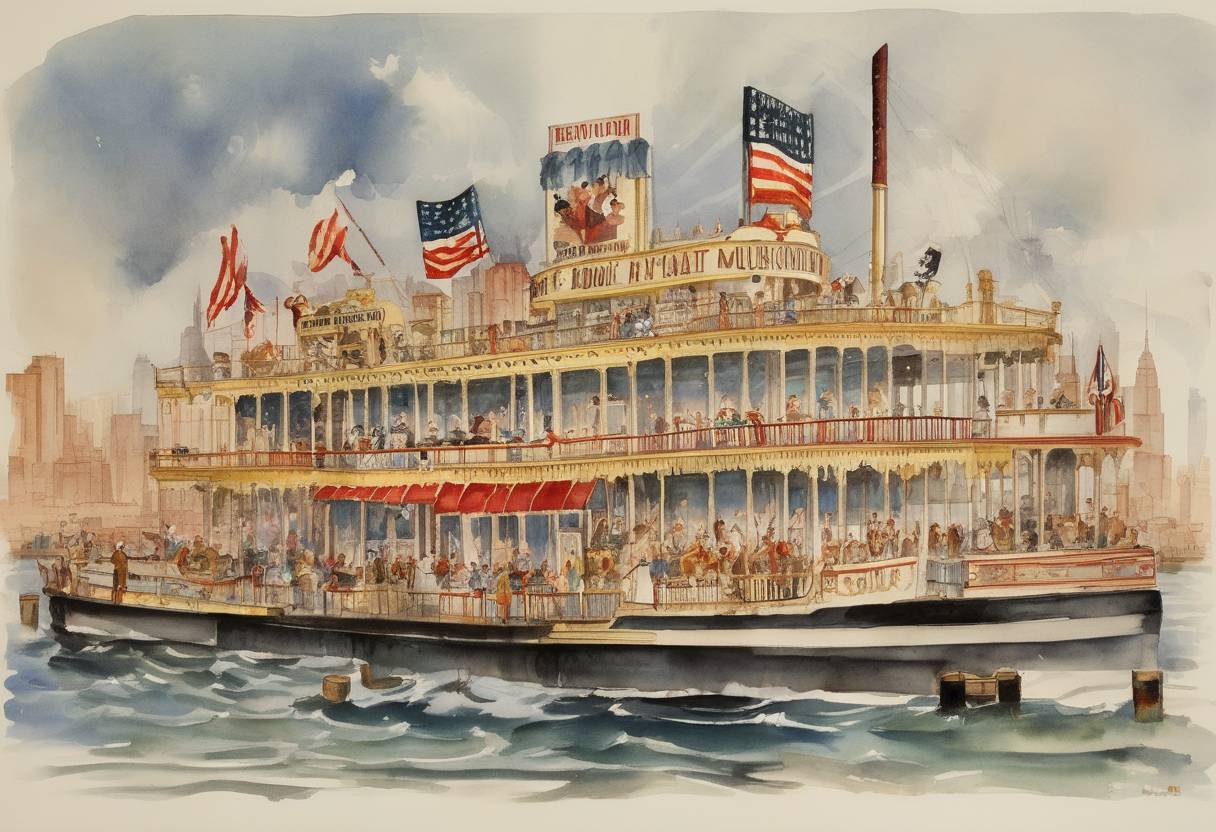
On December 27, 1927, the musical Show Boat premiered at the Ziegfeld Theatre in New York City, marking a pivotal moment in the evolution of American musical theater. Created by composer Jerome Kern and lyricist Oscar Hammerstein II, Show Boat is celebrated for its innovative integration of narrative and music, setting a new standard for the genre.
Prior to Show Boat, American musicals often focused on light-hearted entertainment, with songs and dances loosely connected to the plot. Kern and Hammerstein sought to create a more cohesive and dramatic work, drawing inspiration from Edna Ferber’s 1926 novel of the same name. The novel’s exploration of complex themes such as racial prejudice, love, and loss provided a rich foundation for the musical adaptation.
Show Boat was groundbreaking in several ways:
Integrated Storytelling: Unlike its predecessors, Show Boat featured a seamless integration of music, dialogue, and dance to advance the plot and develop characters. This approach laid the groundwork for future musicals that prioritized storytelling.
Serious Themes: The musical addressed serious social issues, including racial discrimination and the struggles of African Americans in the post-Civil War South. This was a departure from the escapist themes typical of the era’s musical comedies.
Diverse Musical Styles: Kern’s score incorporated a variety of musical styles, from operatic arias to African American spirituals, reflecting the diverse cultural influences of the American South.
The musical introduced several enduring songs that have become classics in the American songbook, including:
Show Boat was a commercial and critical success, running for 572 performances in its initial Broadway run. Its influence extended beyond the theater, as it set a new standard for musical storytelling and inspired future generations of composers and lyricists.
The musical has been revived numerous times and adapted into several films, maintaining its status as a cornerstone of American musical theater. Its exploration of social issues and innovative narrative techniques continue to resonate with audiences today.
In summary, the premiere of Show Boat on December 27, 1927, at the Ziegfeld Theatre was a transformative event in the history of American musical theater, heralding a new era of integrated storytelling and thematic depth.
Source: www.britannica.com