The Formation of the Premier Grand Lodge of England: June 24, 1717
1717 · London, England
The Premier Grand Lodge of England, the first Grand Lodge in the world, was formed in London, marking the beginning of what became known as Freemasonry.
July 17, 1717
The first Masonic Grand Lodge, the Premier Grand Lodge of England, was founded in London, marking the beginning of modern Freemasonry.
London, England | Premier Grand Lodge of England
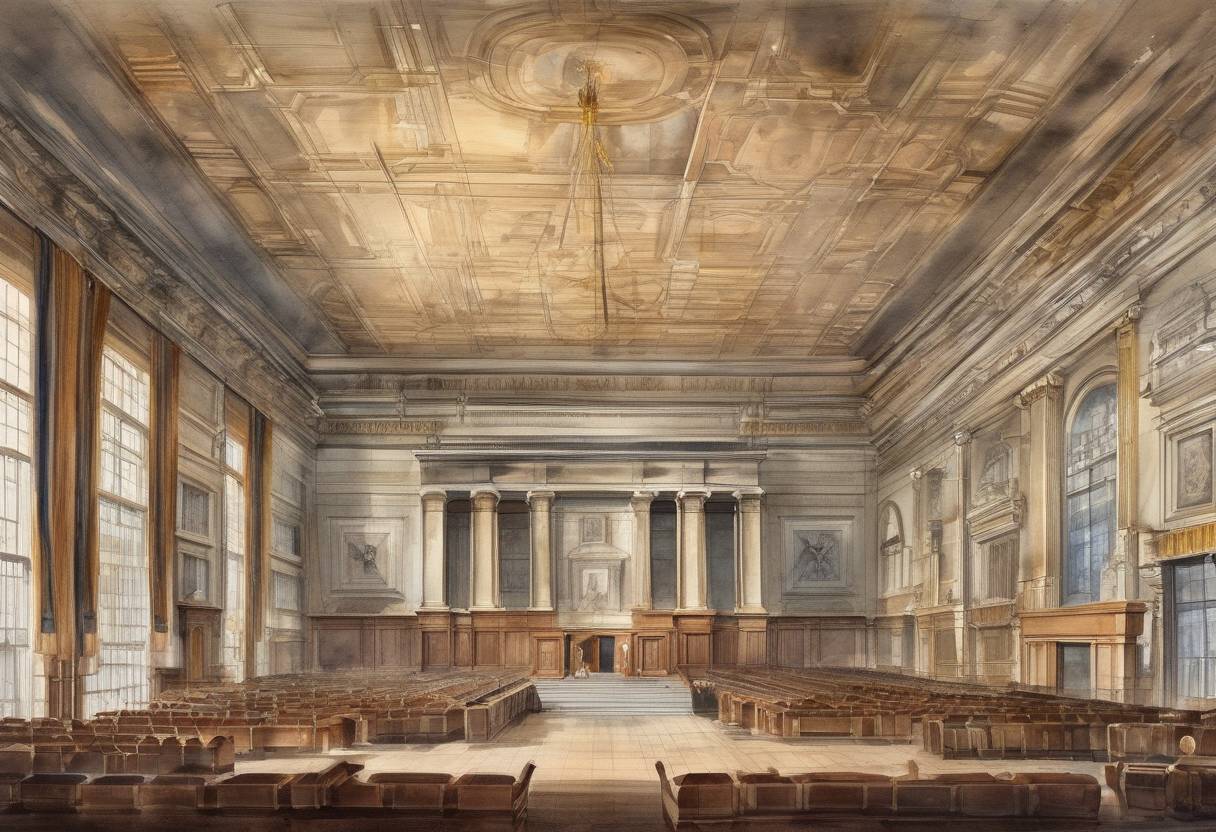
On July 17, 1717, a pivotal event in the history of Freemasonry took place with the founding of the Premier Grand Lodge of England in London. This event is widely regarded as the beginning of modern Freemasonry, a fraternal organization that has since spread globally and influenced numerous aspects of society and culture.
Before the establishment of the Grand Lodge, Freemasonry existed as a collection of local lodges, primarily composed of stonemasons and other craftsmen. These lodges were scattered across England and operated independently, with their own customs and rituals. The early 18th century was a period of Enlightenment, characterized by a growing emphasis on reason, science, and intellectual exchange, which provided fertile ground for the development of more structured and philosophical organizations like Freemasonry.
The Premier Grand Lodge of England was formed when four existing London lodges came together at the Goose and Gridiron Ale-house in St. Paul’s Churchyard. These lodges were:
The decision to unite these lodges was driven by a desire to create a more organized and unified body that could oversee and standardize Masonic practices. The Grand Lodge elected Anthony Sayer as its first Grand Master, marking the beginning of a centralized governance structure for Freemasonry.
The establishment of the Premier Grand Lodge of England was a significant milestone in the history of Freemasonry for several reasons:
Standardization of Practices: The Grand Lodge played a crucial role in standardizing Masonic rituals and practices, which helped to unify the various lodges and foster a sense of shared identity among members.
Expansion and Influence: The formation of the Grand Lodge facilitated the spread of Freemasonry beyond England, as it provided a model for other countries to establish their own Grand Lodges. This contributed to the global expansion of Freemasonry.
Cultural and Social Impact: Freemasonry became a prominent social institution, attracting influential figures from various fields, including politics, science, and the arts. Its emphasis on moral and ethical teachings, as well as its support for Enlightenment ideals, had a lasting impact on society.
Following its establishment, the Premier Grand Lodge of England continued to grow and evolve. It eventually merged with the Antient Grand Lodge of England in 1813 to form the United Grand Lodge of England, which remains one of the most influential Masonic bodies in the world today.
The founding of the Premier Grand Lodge of England marked the beginning of a new era for Freemasonry, transforming it from a collection of local guilds into a global fraternity with a profound impact on modern society.
Source: en.wikipedia.org