End of the Iraq War: December 15, 2011
2011 · Baghdad, Iraq
The United States formally declared an end to the Iraq War, with a ceremony in Baghdad marking the withdrawal of the last U.S. troops.
July 14, 2003
The United States Department of Defense announces that it has lost contact with an unmanned aerial vehicle conducting operations over Iraq. This event underscores the challenges faced by military technology in combat zones.
Baghdad, Iraq | United States Department of Defense
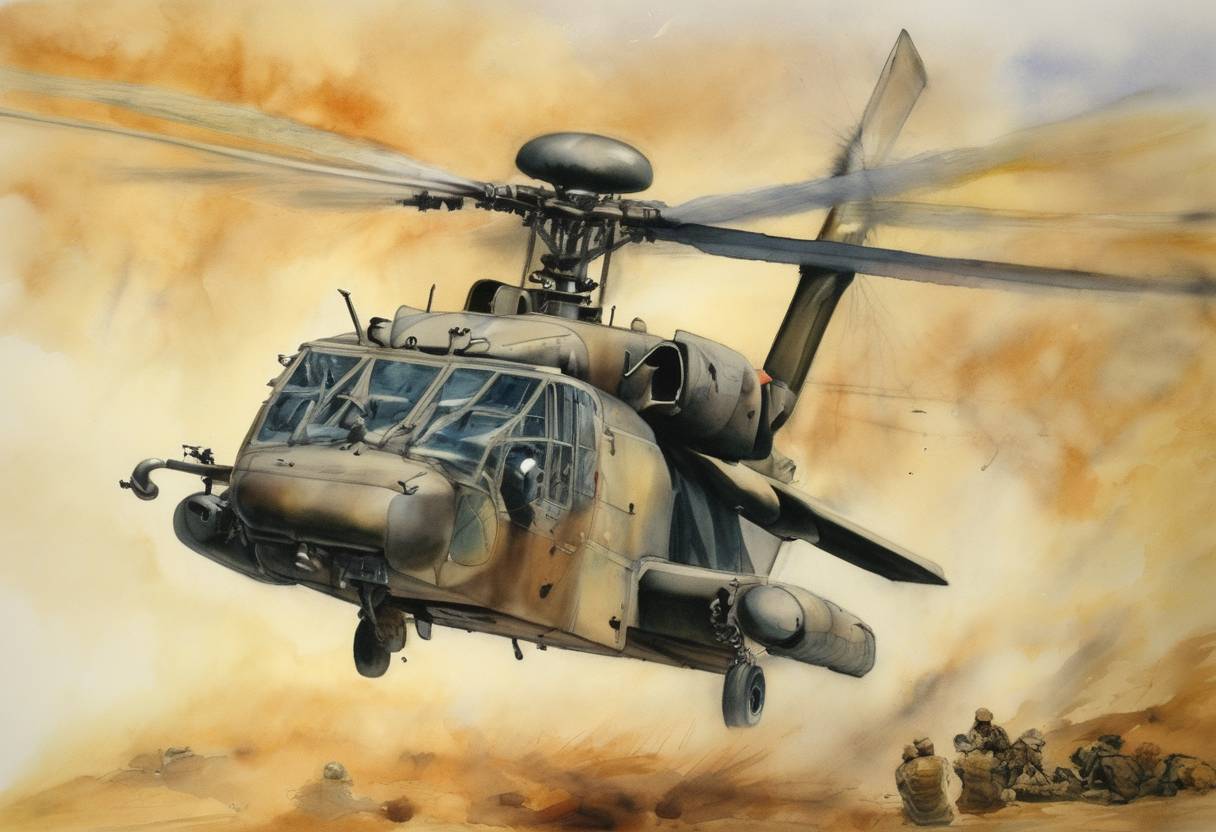
On July 14, 2003, the United States Department of Defense made a public announcement regarding the loss of contact with an unmanned aerial vehicle (UAV) that was conducting operations over Iraq. This incident highlighted the technological and operational challenges faced by military forces utilizing advanced surveillance and reconnaissance capabilities in hostile environments.
By 2003, UAVs had become a critical component in military operations for the United States, especially during the Iraq War, which commenced in March of that year. These drones provided essential intelligence, surveillance, and reconnaissance (ISR) capabilities, enabling real-time data collection and situational awareness for military operations.
The development and deployment of UAVs, particularly the Predator and Global Hawk models, provided the U.S. military with strategic advantages in monitoring enemy movements, conducting tactical reconnaissance, and engaging in precision strikes with minimal risk to personnel.
Despite the advanced technology of UAVs, the incident on July 14, 2003, revealed the vulnerabilities and risks associated with their use in conflict zones. The loss of contact could have been due to various factors, including technical malfunctions, adverse weather conditions, electronic interference from enemy forces, or system failures.
Operational Challenges: This incident underscored the complex nature of operating advanced military technology in hostile and often unpredictable environments. Command and control over such vast distances required robust communication systems, which were subject to disruption.
Military Strategy and Adaptation: The event prompted a review of the communication technologies and protocols being used for UAV operations, likely influencing future strategic decisions regarding drone deployment and management.
Technological Development: The need for more reliable communication links and better anti-interference measures became increasingly clear, driving innovation in UAV technology and operational support systems.
The incident on July 14, 2003, is illustrative of the growing pains associated with integrating cutting-edge technology into military operations. The strategic use of UAVs has continued to evolve, with improvements in reliability, autonomy, and resilience, influenced in part by the challenges encountered during early deployments in Iraq and other conflict zones.
This event served as a pivotal moment for military planners to reassess protocols, improve strategies, and ensure the continued evolution of UAV capabilities to meet the demands of modern warfare.
Source: web.archive.org