State of Emergency Declared in Japan on January 14, 2021
2021 · Tokyo, Japan
The Japanese Prime Minister, Yoshihide Suga, declared a state of emergency in seven more prefectures to curb the resurgence of COVID-19 cases.
July 8, 2021
Former Japanese Prime Minister Shinzo Abe was assassinated while giving a campaign speech in Nara, Japan. The attack shocked the nation and the world, leading to widespread mourning and discussions on gun policies in Japan, which has one of the world's lowest incidences of gun violence.
Nara, Japan | Government of Japan
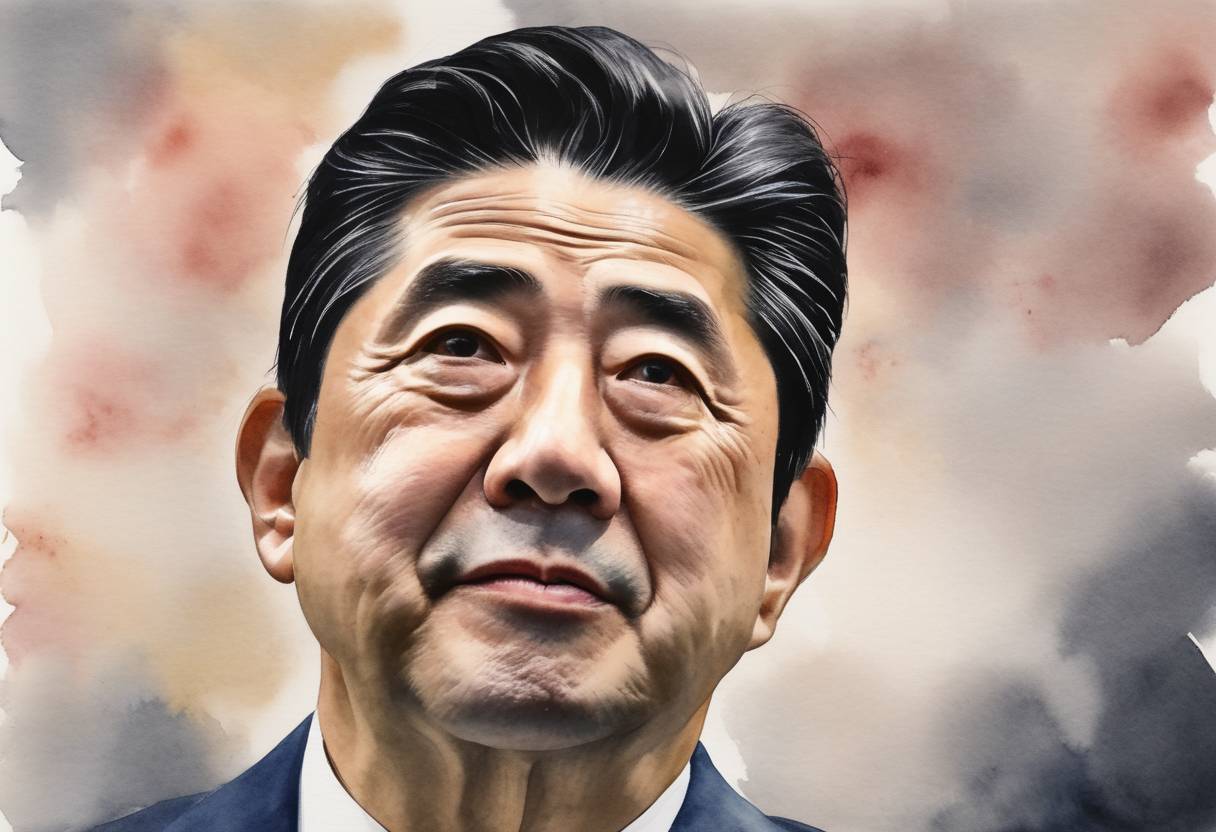
Shinzo Abe was a prominent political figure in Japan, having served as the country’s Prime Minister in two separate terms, from 2006 to 2007 and again from 2012 to 2020. He was Japan’s longest-serving Prime Minister and a member of the Liberal Democratic Party (LDP). Abe was known for his efforts to revitalize Japan’s economy through a package of measures dubbed “Abenomics,” his nationalistic stance, and his attempts to amend Japan’s pacifist constitution.
On July 8, 2022, while delivering a political campaign speech in Nara, Japan, former Prime Minister Shinzo Abe was fatally shot. Abe was campaigning for a fellow LDP member in the country’s upcoming House of Councillors election. The assassination took place in a nation renowned for its stringent gun laws and exceptionally low rates of gun violence.
The assassination sent shockwaves throughout Japan and the global community. It was a startling act of violence in a country where such events are extremely rare, leading to profound grief and mourning nationwide:
Japan’s gun laws are among the strictest globally, requiring extensive background checks and rigorous licensing procedures. The rare occurrence of a gun-related crime like Abe’s assassination prompted discussions around:
The assassination of Shinzo Abe was not only a significant national tragedy but also a moment that resonated globally, highlighting issues of political safety and gun policies. Abe’s contributions to Japan’s economic policies and his international diplomatic efforts remain key aspects of his legacy.
Source: www.bbc.com