Capture of Mosul by ISIL - June 10, 2014
2014 · Mosul, Iraq
The Islamic State of Iraq and the Levant (ISIL) captured the Iraqi city of Mosul, marking a significant escalation in the Iraqi conflict.
August 3, 2014
The Islamic State of Iraq and the Levant (ISIL) captures the city of Sinjar in Iraq, leading to a humanitarian crisis for the Yazidi people.
Sinjar, Iraq | ISIL
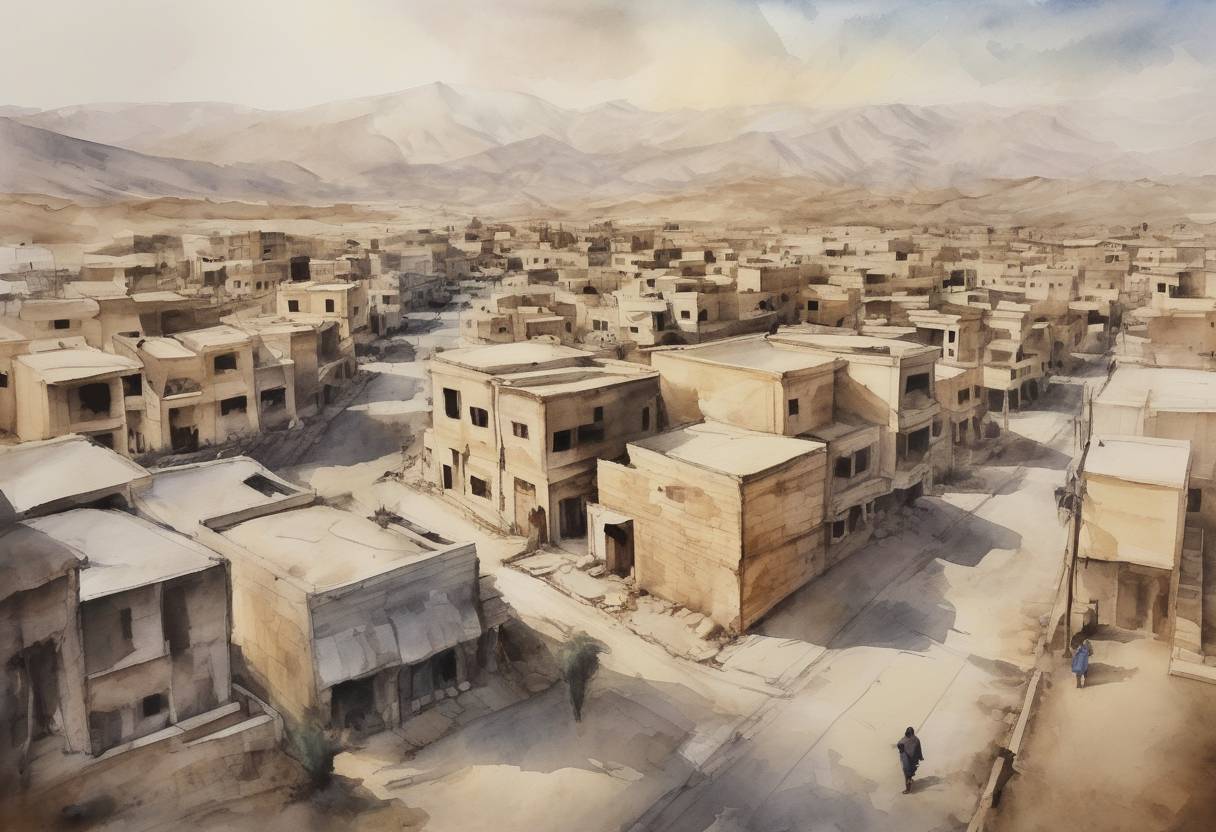
On August 3, 2014, the Islamic State of Iraq and the Levant (ISIL), also known as ISIS, launched a significant offensive in northern Iraq, capturing the city of Sinjar. This event marked a critical moment in the ongoing conflict in the region and led to a severe humanitarian crisis, particularly affecting the Yazidi community.
The Yazidis are a religious minority with a distinct culture and faith, primarily residing in the Sinjar region of northern Iraq. Historically, they have faced persecution due to their beliefs, which differ from the predominant Islamic sects in the region. Prior to the ISIL offensive, the Yazidis lived in relative peace, although tensions and threats from extremist groups had been escalating.
ISIL’s Advance: On August 3, 2014, ISIL forces rapidly advanced into the Sinjar region, overwhelming the Kurdish Peshmerga forces who were responsible for the area’s defense. The Peshmerga, caught off guard and outnumbered, withdrew, leaving the Yazidi population vulnerable.
Capture of Sinjar: The city of Sinjar fell to ISIL, and the militants quickly began targeting the Yazidi population. Reports emerged of mass killings, abductions, and other atrocities committed by ISIL fighters.
Mass Displacement: The capture of Sinjar led to the displacement of tens of thousands of Yazidis. Many fled to the nearby Sinjar Mountains, seeking refuge from ISIL’s violence. Trapped without adequate food, water, or shelter, they faced dire conditions.
International Response: The humanitarian crisis prompted international outrage and a response from various global actors. The United States, among others, initiated airstrikes against ISIL positions and conducted humanitarian airdrops to provide essential supplies to the stranded Yazidis.
Genocide Recognition: The atrocities committed against the Yazidis, including mass killings, sexual slavery, and forced conversions, were later recognized as genocide by several international bodies and governments.
Military and Humanitarian Efforts: The crisis in Sinjar highlighted the urgent need for coordinated military and humanitarian efforts to combat ISIL and protect vulnerable populations. It led to increased international military intervention in Iraq and Syria.
Yazidi Plight: The events of August 2014 brought global attention to the plight of the Yazidis, leading to increased advocacy and support for their community. Efforts to rescue and rehabilitate survivors, particularly women and children, became a priority for humanitarian organizations.
Long-term Impact: The capture of Sinjar and the subsequent humanitarian crisis underscored the broader challenges of sectarian violence and the complexities of the Middle Eastern conflicts. It also highlighted the resilience and suffering of minority communities caught in the crossfire.
The events of August 3, 2014, remain a poignant reminder of the devastating impact of extremist violence and the importance of international solidarity in addressing humanitarian crises.
Source: www.bbc.com