La Gioconda's Premiere at La Scala
1892 · Milan, Italy
Amilcare Ponchielli's opera, 'La Gioconda', premiered at La Scala in Milan.
February 17, 1904
Madama Butterfly, an opera by Giacomo Puccini, premieres at La Scala in Milan.
Milan, Italy | La Scala
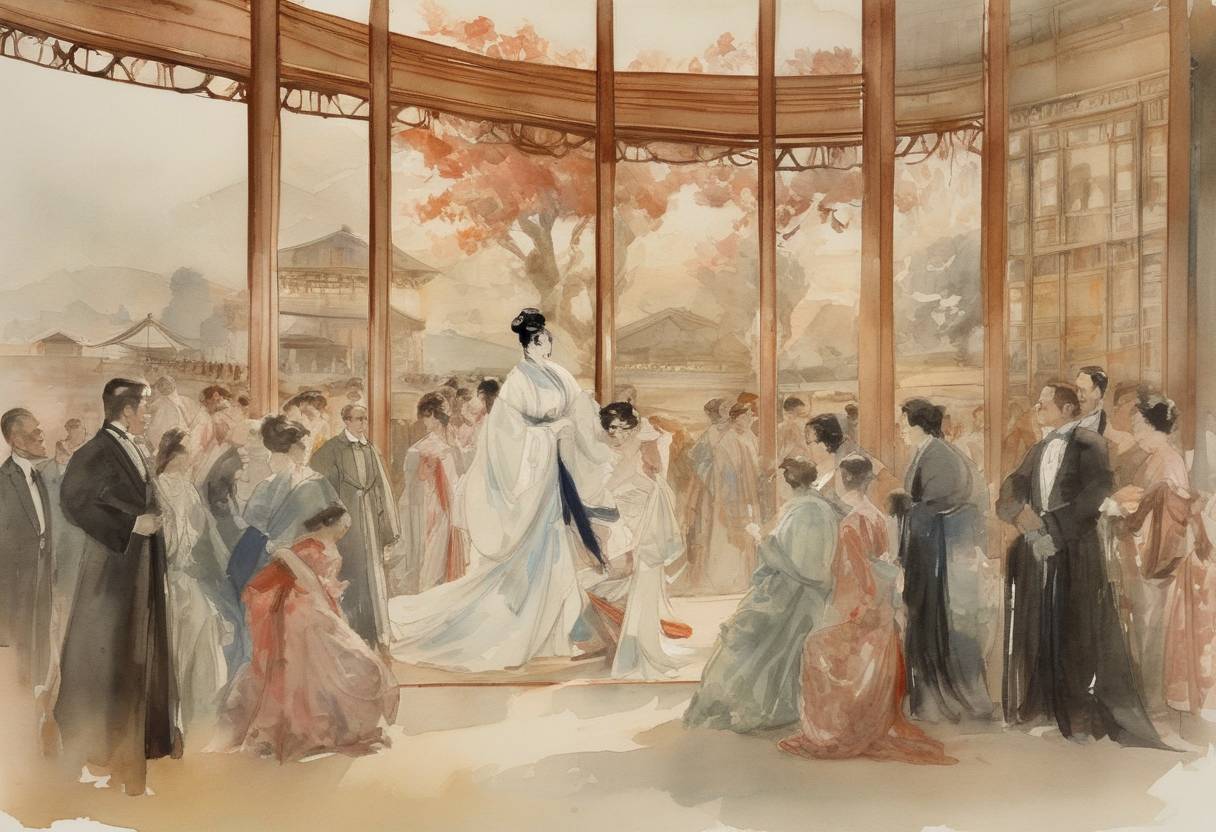
On February 17, 1904, Giacomo Puccini’s opera Madama Butterfly premiered at the renowned La Scala opera house in Milan, Italy. This event marked a significant moment in the history of opera, although its initial reception was far from successful.
Madama Butterfly is an opera in three acts (later revised to two acts) with an Italian libretto by Luigi Illica and Giuseppe Giacosa. The story is based on John Luther Long’s short story “Madame Butterfly” and David Belasco’s play of the same name. The narrative follows the tragic tale of Cio-Cio-San, a young Japanese geisha, and her ill-fated marriage to an American naval officer, Lieutenant B.F. Pinkerton.
The premiere of Madama Butterfly was highly anticipated, given Puccini’s reputation following the success of his previous operas, such as La Bohème and Tosca. However, the initial performance was met with hostility and was considered a fiasco. The audience’s reaction was overwhelmingly negative, with reports of booing and jeering throughout the performance.
Several factors contributed to the opera’s poor reception:
Undeterred by the initial failure, Puccini immediately began revising the opera. He made significant changes, including condensing it into two acts and refining the orchestration and dramatic structure. The revised version premiered on May 28, 1904, in Brescia, Italy, and was met with much greater acclaim.
Madama Butterfly is now considered one of Puccini’s masterpieces and a staple of the operatic repertoire. Its themes of love, betrayal, and cultural clash continue to resonate with audiences worldwide. The opera’s success after revision highlights Puccini’s resilience and ability to adapt his work in response to criticism.
Today, Madama Butterfly is celebrated for its beautiful melodies, emotional depth, and poignant storytelling. It remains a popular choice for opera companies around the globe, illustrating the enduring power of Puccini’s music and the universal themes it explores.
Source: en.wikipedia.org