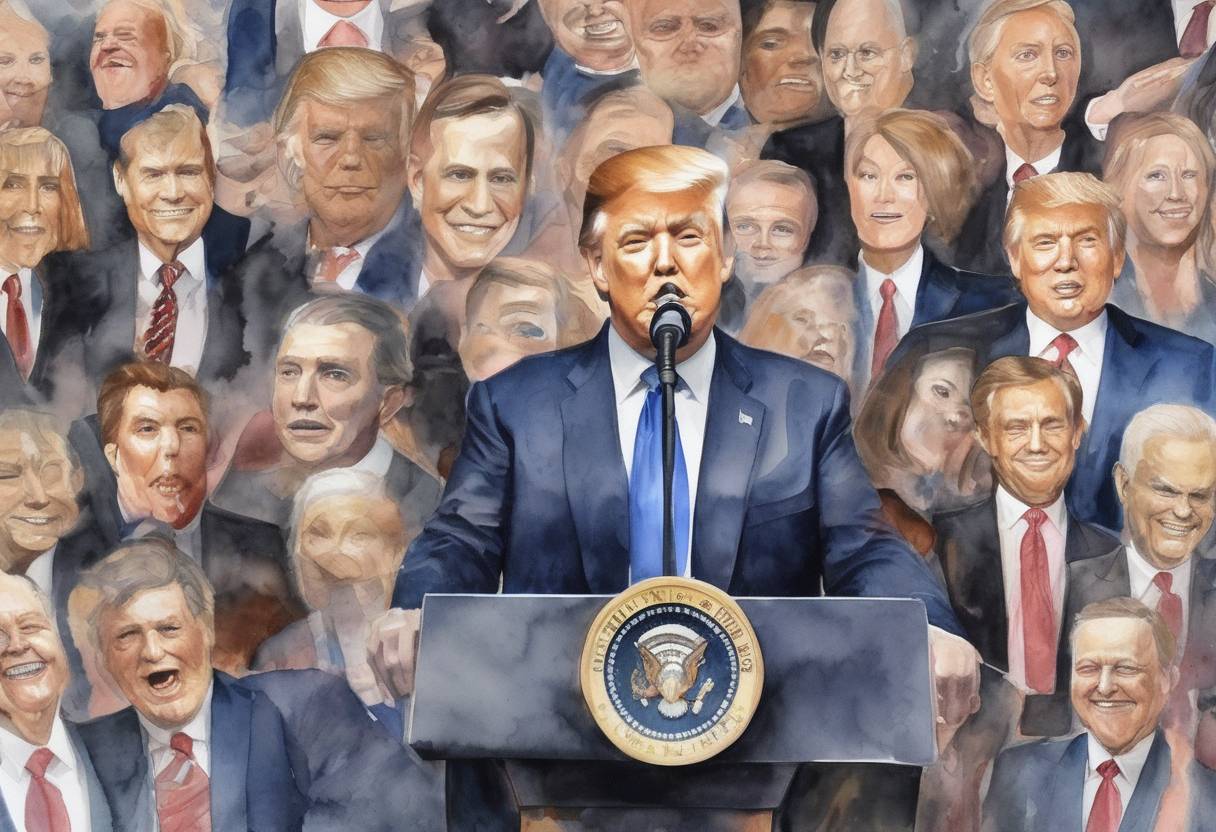
Election of Donald Trump as the 45th President of the United States
On November 8, 2016, Donald J. Trump was elected as the 45th President of the United States, defeating Democratic candidate Hillary Clinton in a highly contentious and closely watched election. The results were officially confirmed on November 9, 2016, due to the time difference across the United States, but the election is often discussed in the context of November 8.
Context and Lead-Up to the Election
The 2016 presidential election was marked by significant political polarization and public interest. Key factors leading up to the election included:
Economic Concerns: Many Americans were concerned about economic stagnation, job outsourcing, and the effects of globalization. Trump’s campaign capitalized on these issues, promising to bring back jobs and renegotiate trade deals.
Political Outsider: Trump, a businessman and television personality with no prior political experience, positioned himself as an outsider who could disrupt the status quo in Washington, D.C.
Controversial Rhetoric: Trump’s campaign was characterized by controversial statements and policies, particularly on immigration and trade, which garnered both fervent support and strong opposition.
Email Controversy: Hillary Clinton faced scrutiny over her use of a private email server during her tenure as Secretary of State, which became a focal point of criticism from Trump and his supporters.
Election Night and Results
Electoral College Victory: Trump secured the presidency by winning key battleground states, including Florida, Pennsylvania, and Wisconsin, which were crucial for his Electoral College victory. He won 304 electoral votes to Clinton’s 227, despite losing the popular vote by nearly 3 million votes.
Voter Turnout: The election saw a voter turnout of approximately 55.7% of the voting-age population, with significant demographic divides in voting patterns.
Aftermath and Significance
Transition and Inauguration: Trump was inaugurated on January 20, 2017. His presidency began with a focus on fulfilling campaign promises, such as withdrawing from the Trans-Pacific Partnership and initiating efforts to repeal the Affordable Care Act.
Political Climate: Trump’s election led to increased political activism and division within the United States. His presidency was marked by significant policy shifts, particularly in areas such as immigration, environmental regulations, and foreign policy.
Impact on Future Elections: The 2016 election had lasting impacts on American politics, influencing voter engagement, party dynamics, and the strategies of future political campaigns.
The election of Donald Trump as the 45th President was a pivotal moment in U.S. history, reflecting deep-seated divisions and setting the stage for significant political and social changes in the years that followed.