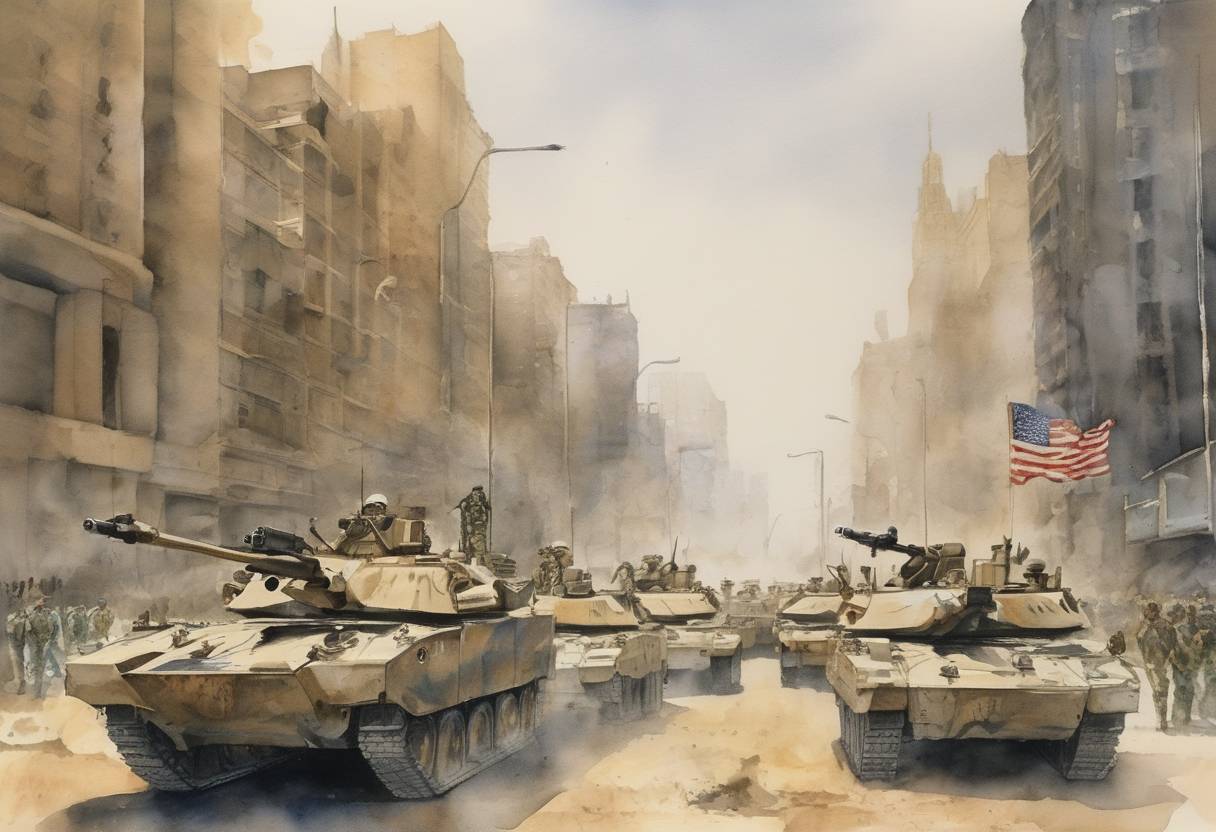
Expiration of the United Nations Deadline for Iraqi Withdrawal from Kuwait
On January 15, 1991, a critical deadline set by the United Nations for the withdrawal of Iraqi forces from Kuwait expired, setting the stage for the commencement of Operation Desert Storm. This event was a pivotal moment in the Gulf War, a conflict that had significant implications for international relations and military strategy in the late 20th century.
Background
The crisis began on August 2, 1990, when Iraq, led by President Saddam Hussein, invaded and annexed Kuwait. This aggressive action was condemned worldwide, leading to a swift response from the international community. The United Nations Security Council passed Resolution 660, demanding Iraq’s immediate withdrawal from Kuwait. Subsequent resolutions imposed economic sanctions and authorized the use of force if Iraq did not comply by the set deadline.
Key Events Leading Up to the Deadline
- UN Security Council Resolution 678: Passed on November 29, 1990, this resolution authorized member states to use “all necessary means” to uphold and implement Resolution 660 if Iraq did not withdraw by January 15, 1991.
- Coalition Forces Build-Up: In the months leading up to the deadline, a coalition of 35 nations, led by the United States, amassed military forces in the Persian Gulf region. This coalition aimed to enforce the UN resolutions and liberate Kuwait if diplomatic efforts failed.
January 15, 1991: The Deadline
As the deadline approached, diplomatic efforts to persuade Iraq to withdraw continued but ultimately proved unsuccessful. On January 15, the deadline expired without any indication from Iraq of compliance with the UN’s demands. This expiration marked a turning point, as it effectively authorized the coalition forces to initiate military action against Iraq.
Aftermath and Operation Desert Storm
- Operation Desert Storm: On January 17, 1991, just two days after the deadline, the coalition launched Operation Desert Storm, a massive air campaign targeting Iraqi military infrastructure. This operation marked the beginning of the combat phase of the Gulf War.
- Liberation of Kuwait: The operation was followed by a ground assault in late February, which swiftly led to the liberation of Kuwait by coalition forces.
- Impact: The Gulf War had significant consequences, including the reaffirmation of the United States’ military dominance, the strengthening of international coalitions, and the imposition of long-term sanctions on Iraq.
The expiration of the UN deadline on January 15, 1991, was a decisive moment that underscored the international community’s commitment to upholding international law and sovereignty. It also highlighted the complexities of Middle Eastern geopolitics and set a precedent for future international military interventions.