Pulkovo Aviation Enterprise Flight 612 Crash
2006 · Donetsk, Ukraine
Pulkovo Aviation Enterprise Flight 612 crashes near Donetsk, Ukraine, killing all 170 people on board.
March 23, 1994
Aeroflot Flight 593 crashed in Siberia after the pilot's children accidentally disengaged the autopilot, killing all 75 people on board.
Mezhdurechensk, Russia | Aeroflot
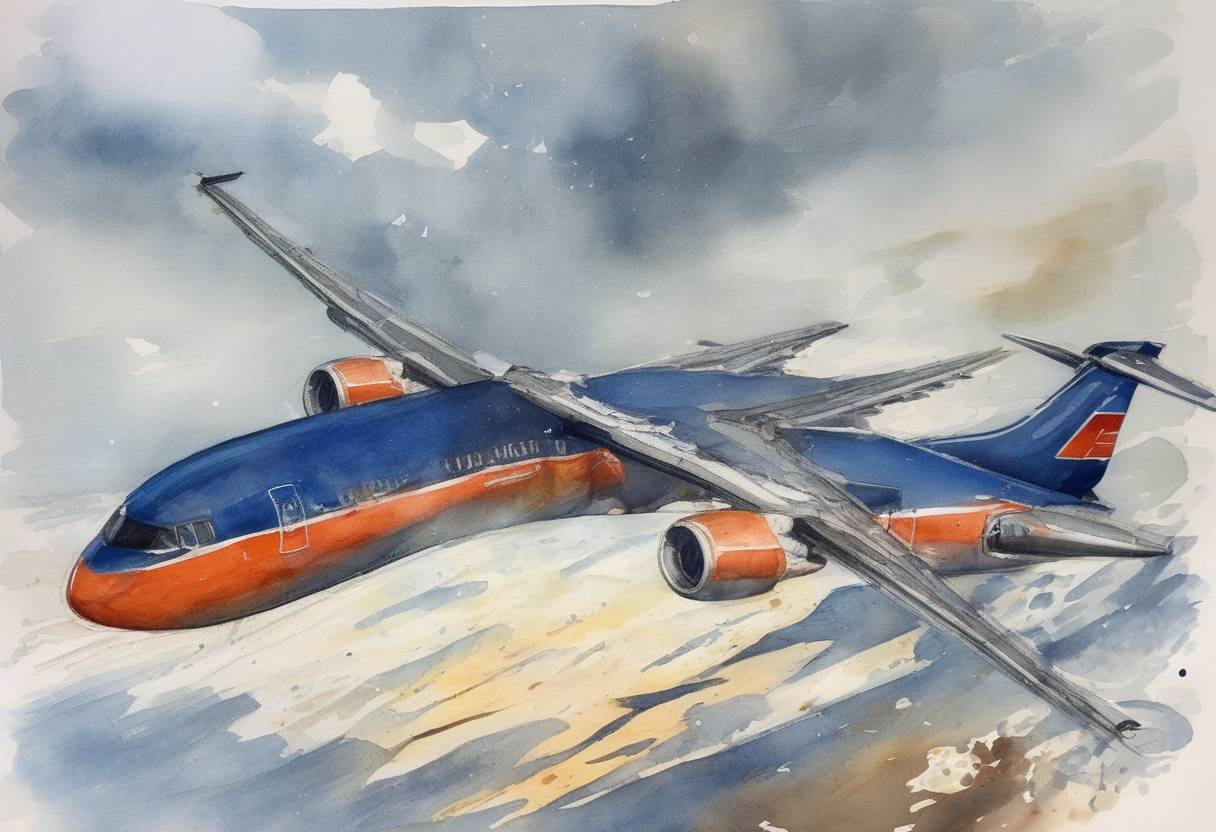
On March 23, 1994, Aeroflot Flight 593, a passenger flight from Moscow, Russia, to Hong Kong, tragically crashed in the Kuznetsk Alatau mountain range in Siberia. This disaster resulted in the loss of all 75 people on board, including crew members and passengers. The crash is particularly notable due to the unusual circumstances leading to the accident.
Aeroflot Flight 593 was operated by a Russian airline using an Airbus A310-304 aircraft. The flight was part of Aeroflot’s international service, connecting Moscow with Hong Kong, a major commercial hub in Asia. The aircraft was relatively new, having been delivered to Aeroflot in 1992, and was equipped with modern avionics and autopilot systems.
Cockpit Visit: During the flight, the pilot, Captain Yaroslav Kudrinsky, allowed his children to visit the cockpit. This was not an uncommon practice at the time, despite being against regulations.
Autopilot Disengagement: While in the cockpit, the pilot’s 15-year-old son, Eldar Kudrinsky, was allowed to sit in the captain’s seat. Unbeknownst to the crew, Eldar’s inputs on the control column inadvertently disengaged the autopilot’s aileron control, which manages the aircraft’s roll.
Loss of Control: The partial disengagement of the autopilot went unnoticed by the crew. As a result, the aircraft began to bank to the right. The crew’s delayed response and lack of awareness about the autopilot’s status led to a loss of control.
Crash: Despite attempts to regain control, the aircraft entered a steep descent and crashed into the mountainous terrain of Siberia. All 75 individuals on board perished in the crash.
Investigation: The investigation, led by Russian authorities with assistance from Airbus and other international experts, concluded that the accident was caused by human error. The crew’s lack of awareness and improper handling of the autopilot system were identified as primary factors.
Safety Reforms: The crash prompted significant changes in aviation safety protocols, particularly concerning cockpit access and the importance of strict adherence to regulations prohibiting unauthorized individuals in the cockpit.
Training and Procedures: The incident underscored the need for improved pilot training on the operation of complex autopilot systems and the importance of maintaining situational awareness at all times.
The Aeroflot Flight 593 crash serves as a stark reminder of the critical importance of cockpit discipline and the potential consequences of complacency in aviation. It highlighted the need for rigorous enforcement of safety protocols and contributed to the ongoing evolution of international aviation safety standards.
Source: en.wikipedia.org