The Battle of Ayacucho: December 9, 1824
1824 · Ayacucho, Peru
The Battle of Ayacucho took place, leading to the defeat of Spanish royalist forces and securing the independence of Peru and the rest of South America from Spanish rule.
December 21, 1598
The Battle of Curalaba took place, marking a significant victory for the Mapuche people against Spanish colonial forces in Chile. This event initiated a period of Mapuche resistance known as the Destruction of the Seven Cities.
Curalaba, Chile | Mapuche forces
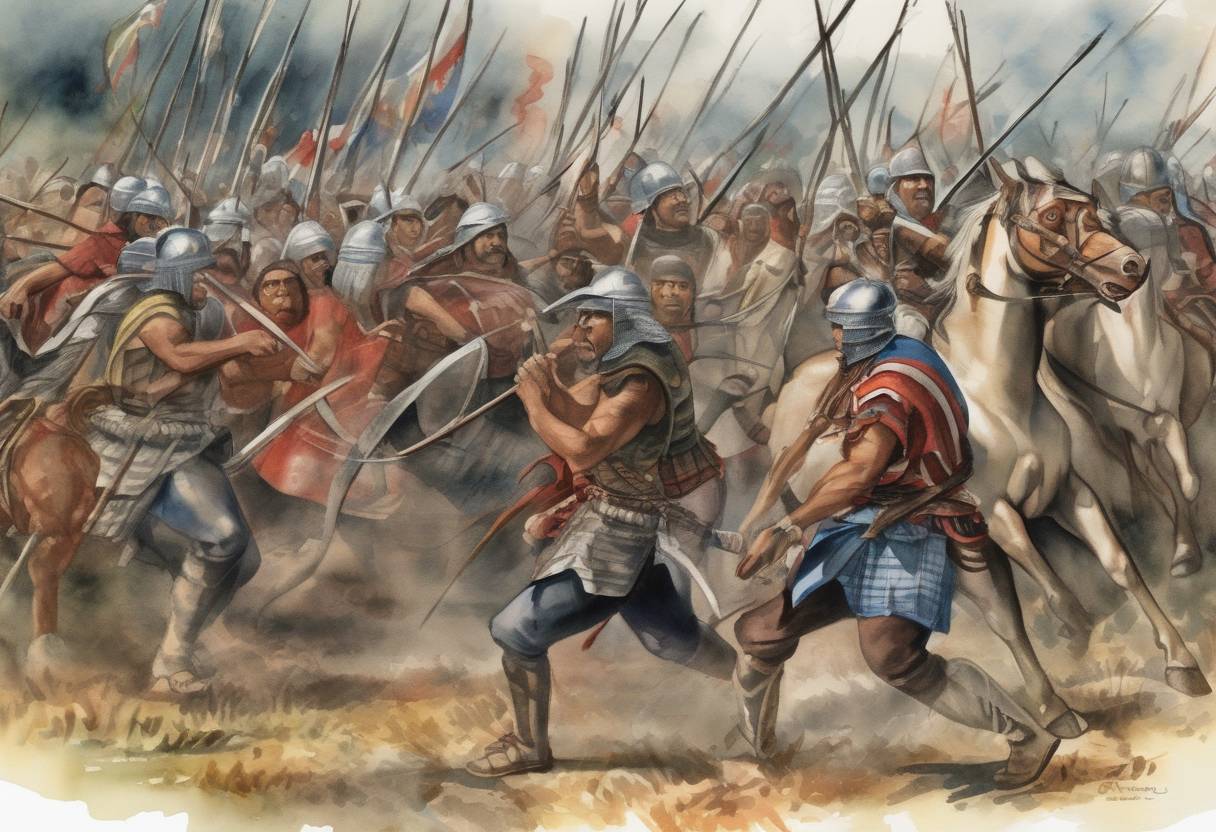
The Battle of Curalaba, fought on December 21, 1598, was a pivotal conflict between the indigenous Mapuche people and Spanish colonial forces in what is now southern Chile. This battle marked a significant victory for the Mapuche and initiated a prolonged period of resistance known as the “Destruction of the Seven Cities.”
Spanish Colonization: By the late 16th century, the Spanish had established several settlements in the region, seeking to expand their colonial empire in South America. The Mapuche, however, fiercely resisted Spanish encroachment on their lands.
Tensions and Conflicts: Prior to the battle, tensions had been escalating due to Spanish attempts to subjugate the Mapuche and impose their control over the region. The Mapuche, known for their warrior culture and strategic acumen, had been engaging in sporadic resistance against the Spanish.
Location: The battle took place near Curalaba, in the Araucanía region of Chile. This area was a strategic location for both the Spanish and the Mapuche.
Combatants: The Spanish forces, led by Governor Martín García Óñez de Loyola, were caught off guard by a surprise attack from the Mapuche warriors, led by the toqui (war leader) Pelantaro.
Outcome: The Mapuche achieved a decisive victory, killing Governor Óñez de Loyola and a significant portion of his forces. This defeat severely weakened Spanish military presence in the region.
Destruction of the Seven Cities: Following their victory at Curalaba, the Mapuche launched a series of coordinated attacks against Spanish settlements, leading to the destruction or abandonment of seven major cities, including Valdivia, Osorno, and Villarrica. This period of resistance effectively halted Spanish expansion south of the Bío-Bío River for several decades.
Impact on Spanish Colonization: The battle and subsequent Mapuche resistance forced the Spanish to reconsider their strategies in the region. It highlighted the resilience and military prowess of the Mapuche, leading to a prolonged stalemate in the Araucanía region.
Long-term Consequences: The Battle of Curalaba and the ensuing resistance had lasting effects on the colonial dynamics in Chile. It underscored the challenges of subjugating indigenous populations and contributed to the eventual recognition of Mapuche autonomy in certain areas.
The Battle of Curalaba is a testament to the Mapuche’s determination to defend their territory and way of life against colonial forces. It serves as a significant example of indigenous resistance in the Americas and highlights the complexities of colonial encounters. The event remains a symbol of cultural resilience and resistance against oppression.
Source: en.wikipedia.org