Asteroid 2002 MN's Near-Earth Flyby on June 15, 2002
2002 · N/A, space
An asteroid, designated 2002 MN, missed Earth by 121,000 km.
July 16, 1994
Comet Shoemaker-Levy 9 collided with Jupiter, providing the first direct observation of an extraterrestrial collision of solar system objects.
Jupiter, Solar System | NASA
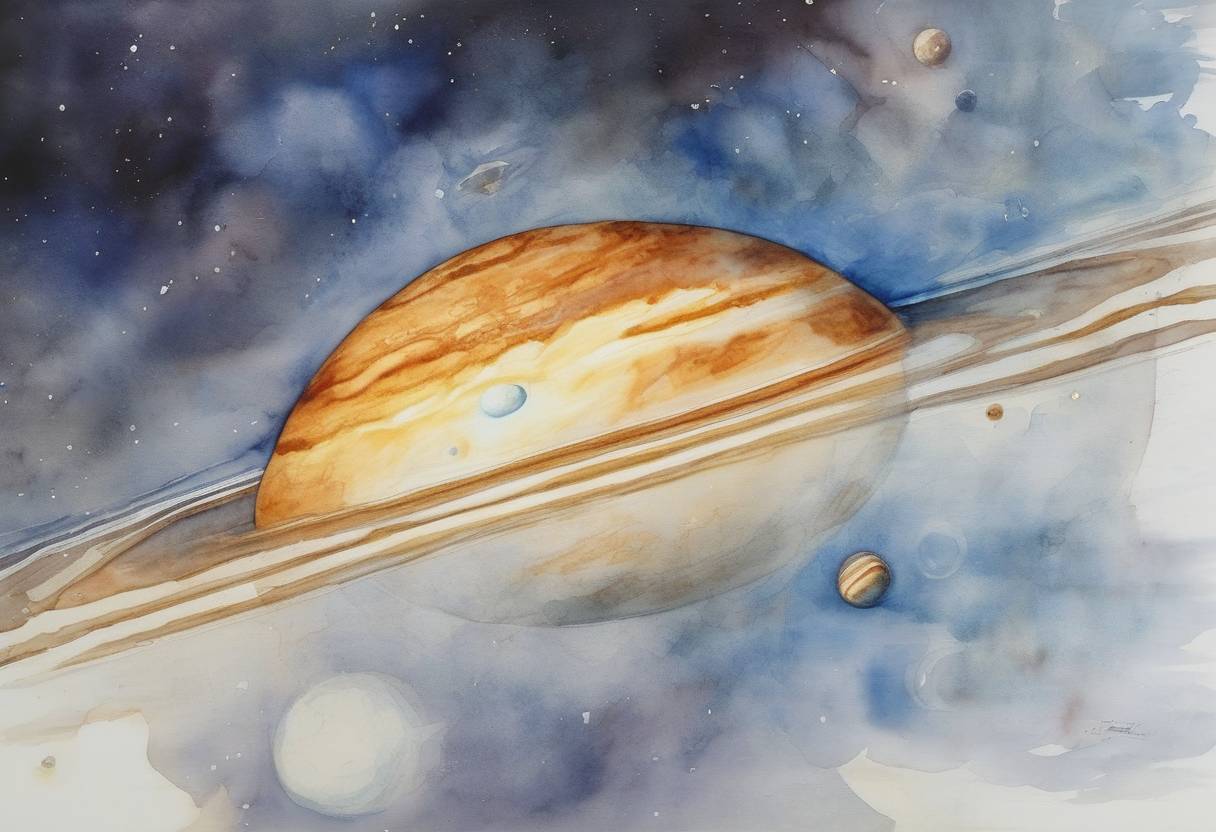
On July 16, 1994, a remarkable astronomical event unfolded as Comet Shoemaker-Levy 9 collided with Jupiter, marking the first direct observation of an extraterrestrial collision between solar system objects. This event provided invaluable insights into planetary science and the dynamics of celestial bodies.
Comet Shoemaker-Levy 9 was discovered by astronomers Carolyn and Eugene Shoemaker and David Levy on March 24, 1993. The comet was unique because it had been captured by Jupiter’s gravity and was orbiting the planet. Prior to its discovery, the comet had already been fragmented into 21 distinct pieces, likely due to a previous close encounter with Jupiter that subjected it to intense tidal forces.
The collision sequence began on July 16, 1994, and continued until July 22, 1994. The fragments of Shoemaker-Levy 9, labeled alphabetically from A to W, impacted Jupiter’s southern hemisphere at speeds of approximately 60 kilometers per second (about 37 miles per second). Each impact released energy equivalent to millions of megatons of TNT, creating massive fireballs and leaving dark scars on Jupiter’s atmosphere that were visible from Earth.
The collision of Comet Shoemaker-Levy 9 with Jupiter provided a wealth of scientific data and insights:
The scars left by the impacts gradually faded over several months, but the event left a lasting legacy in the field of astronomy. It highlighted the dynamic nature of the solar system and the potential for catastrophic impacts on planets, including Earth.
The Shoemaker-Levy 9 collision was a pivotal moment in planetary science, demonstrating the power of collaborative observation and the importance of international scientific cooperation. It also spurred interest in developing strategies for planetary defense against potential future impacts.
In summary, the collision of Comet Shoemaker-Levy 9 with Jupiter was a landmark event that expanded our understanding of the solar system and emphasized the need for vigilance in monitoring celestial objects.
Source: solarsystem.nasa.gov