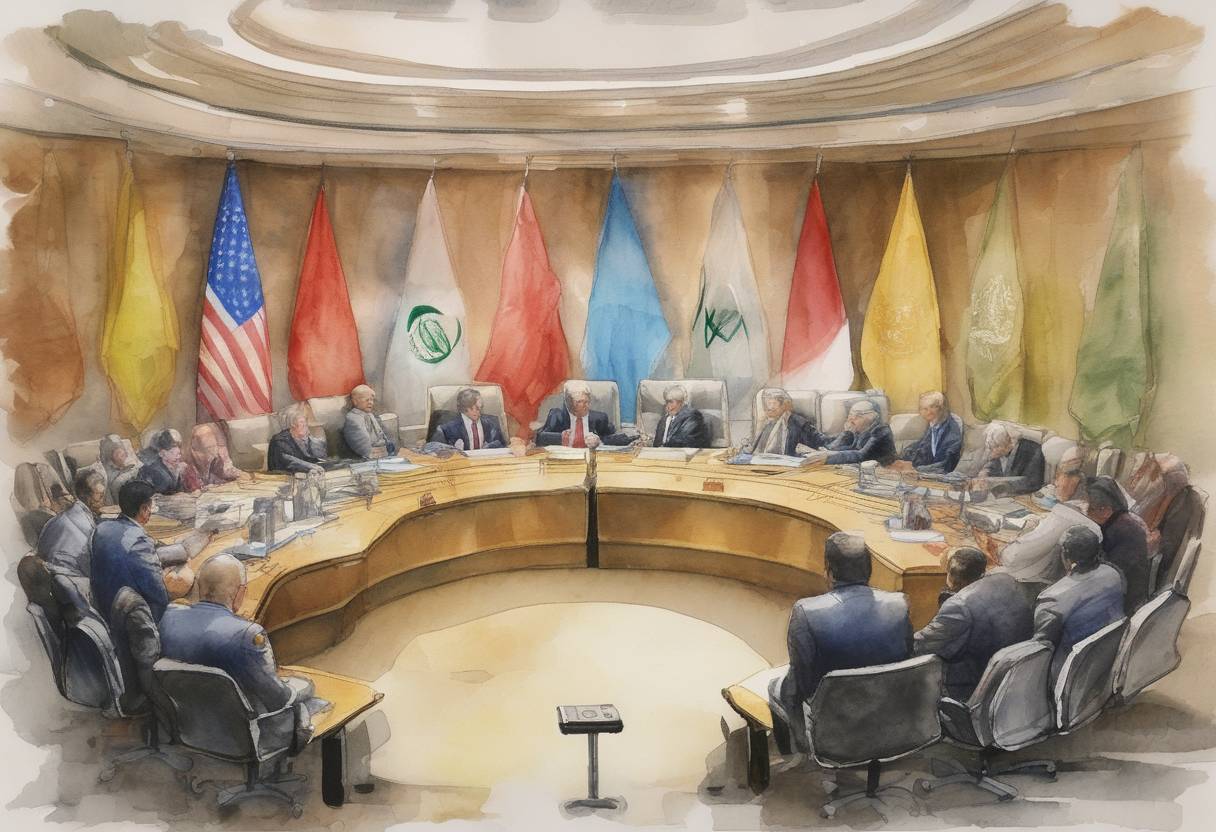
United Nations Security Council Sanctions on Iran - June 18, 2010
On June 18, 2010, the United Nations Security Council (UNSC) imposed a fourth round of sanctions on Iran, targeting its nuclear program. This decision was part of ongoing international efforts to address concerns over Iran’s nuclear activities, which many countries feared were aimed at developing nuclear weapons, despite Iran’s insistence that its program was for peaceful purposes.
Context Leading Up to the Sanctions
Iran’s Nuclear Program: Iran’s nuclear program began in the 1950s with the help of the United States under the “Atoms for Peace” program. However, suspicions about the program’s intentions grew over the decades, particularly after the 1979 Iranian Revolution.
Previous Sanctions: Before the 2010 sanctions, the UNSC had already imposed three rounds of sanctions on Iran (in 2006, 2007, and 2008) aimed at curbing its nuclear activities. These included bans on the supply of nuclear-related materials and technology, as well as asset freezes and travel bans on individuals and entities involved in the program.
International Negotiations: Efforts to negotiate with Iran over its nuclear program had been ongoing, involving the P5+1 group (the five permanent members of the UNSC—China, France, Russia, the United Kingdom, and the United States—plus Germany). However, these negotiations had not yielded a satisfactory resolution by 2010.
Key Provisions of the 2010 Sanctions
Expansion of Arms Embargo: The sanctions expanded the existing arms embargo, prohibiting Iran from purchasing heavy weaponry such as tanks, combat aircraft, and missiles.
Financial Restrictions: The sanctions targeted Iranian banks suspected of facilitating nuclear proliferation activities, calling for vigilance over transactions involving Iranian banks, including the Central Bank of Iran.
Inspection of Cargo: The resolution authorized states to inspect Iranian cargo suspected of carrying prohibited items, both at sea and in ports, to prevent the transfer of materials related to nuclear and missile programs.
Asset Freezes and Travel Bans: Additional individuals and entities associated with Iran’s nuclear and missile programs were subjected to asset freezes and travel bans.
Aftermath and Consequences
Iran’s Response: Iran condemned the sanctions, maintaining that its nuclear program was solely for peaceful purposes. The Iranian government vowed to continue its nuclear activities despite the increased international pressure.
Impact on Negotiations: The sanctions were intended to bring Iran back to the negotiating table with a more conciliatory stance. However, they also heightened tensions between Iran and the international community.
Long-term Effects: The sanctions contributed to significant economic challenges for Iran, affecting its economy and leading to further diplomatic efforts, which eventually culminated in the Joint Comprehensive Plan of Action (JCPOA) in 2015. This agreement aimed to limit Iran’s nuclear capabilities in exchange for the lifting of certain sanctions.
The 2010 sanctions were a critical moment in the international community’s efforts to address nuclear proliferation concerns and underscored the complexities of diplomatic negotiations with Iran.