The Iran Hostage Crisis: November 4, 1979
1979 · Tehran, Iran
Iranian students storm the U.S. Embassy in Tehran, taking 52 American hostages, marking the beginning of the Iran Hostage Crisis.
January 27, 1980
Canadian Caper: Six American diplomats, who had avoided capture in the Iran hostage crisis, escape Iran using Canadian passports.
Tehran, Iran | Canadian Government
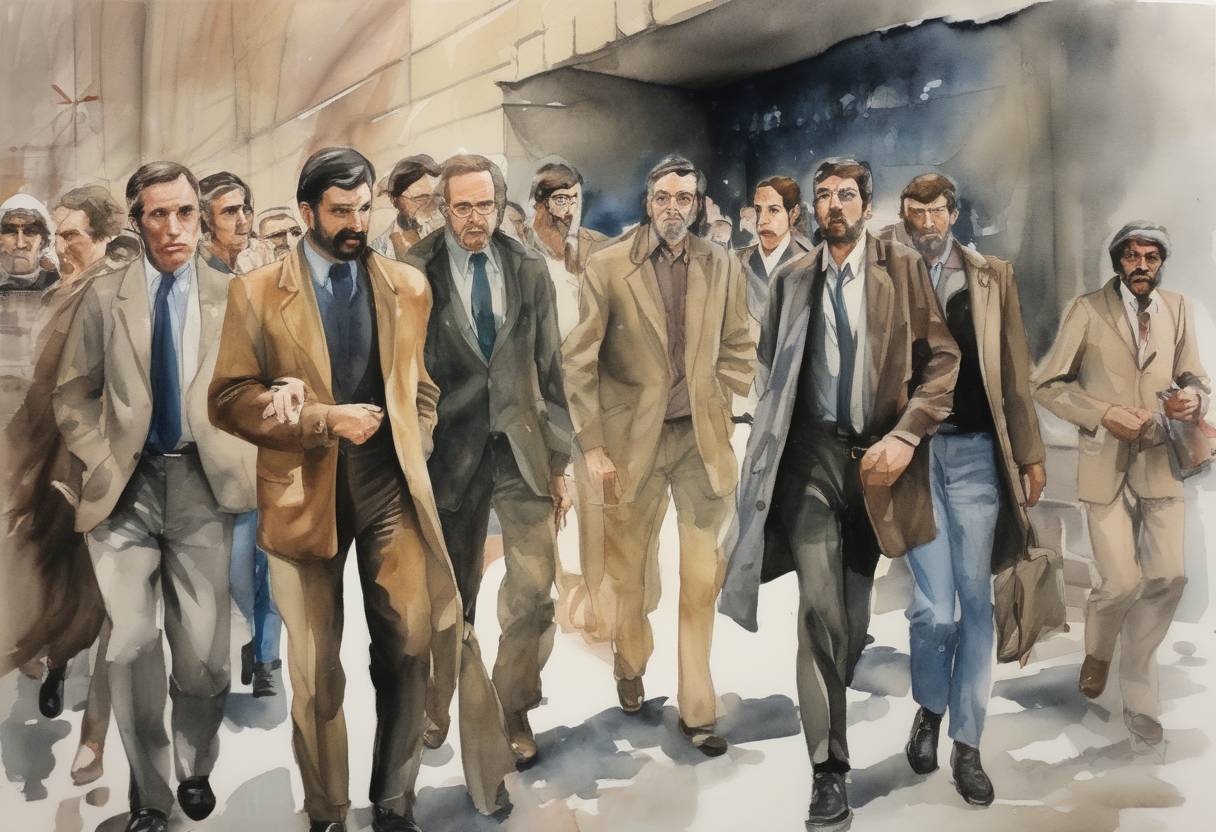
On January 27, 1980, a covert operation known as the “Canadian Caper” successfully concluded with the escape of six American diplomats from Iran. This operation was a remarkable episode during the Iran hostage crisis, which began on November 4, 1979, when Iranian militants seized the U.S. Embassy in Tehran, taking 52 American hostages.
The Iran hostage crisis was a pivotal moment in U.S.-Iran relations, rooted in the Iranian Revolution of 1979. The revolution saw the overthrow of the Shah of Iran, Mohammad Reza Pahlavi, who had been supported by the United States. His subsequent admission to the U.S. for medical treatment sparked outrage in Iran, leading to the embassy takeover.
Amidst the chaos, six American diplomats managed to evade capture. They found refuge in the homes of Canadian diplomats, including Canadian Ambassador Ken Taylor, who played a crucial role in their protection and eventual escape.
The Canadian Caper was a joint covert operation between the Canadian government and the CIA. The plan involved providing the six Americans with Canadian passports and disguising them as a film crew scouting locations for a fictional science fiction movie titled “Argo.”
Key elements of the operation included:
Canadian Involvement: The Canadian government, led by Prime Minister Joe Clark, and Ambassador Ken Taylor, provided critical support and shelter to the Americans. Canadian passports and identities were crafted for the diplomats to facilitate their escape.
CIA’s Role: The CIA, under the leadership of Tony Mendez, an expert in disguise and exfiltration, orchestrated the plan. Mendez traveled to Tehran to personally oversee the operation, ensuring the Americans could convincingly pose as a film crew.
Execution: On January 27, 1980, the six Americans, accompanied by Mendez, successfully passed through Iranian security at Mehrabad Airport in Tehran. They boarded a Swissair flight to Zurich, Switzerland, marking the successful completion of their escape.
The Canadian Caper was a diplomatic triumph and a testament to international cooperation. It highlighted the bravery and ingenuity of those involved, particularly the Canadian diplomats who risked their lives to protect the Americans.
The operation remained classified until it was publicly acknowledged by the U.S. and Canadian governments. In recognition of their efforts, the Canadian government received widespread praise, and Ken Taylor was celebrated as a hero.
The successful escape also provided a morale boost during the prolonged hostage crisis, which continued until January 20, 1981, when the remaining hostages were released.
The Canadian Caper underscored the importance of international alliances and the role of diplomacy in resolving crises. It also inspired the 2012 film “Argo,” which dramatized the events, bringing renewed attention to this daring escape.
In summary, the Canadian Caper remains a remarkable example of courage, collaboration, and the power of creative problem-solving in the face of international conflict.