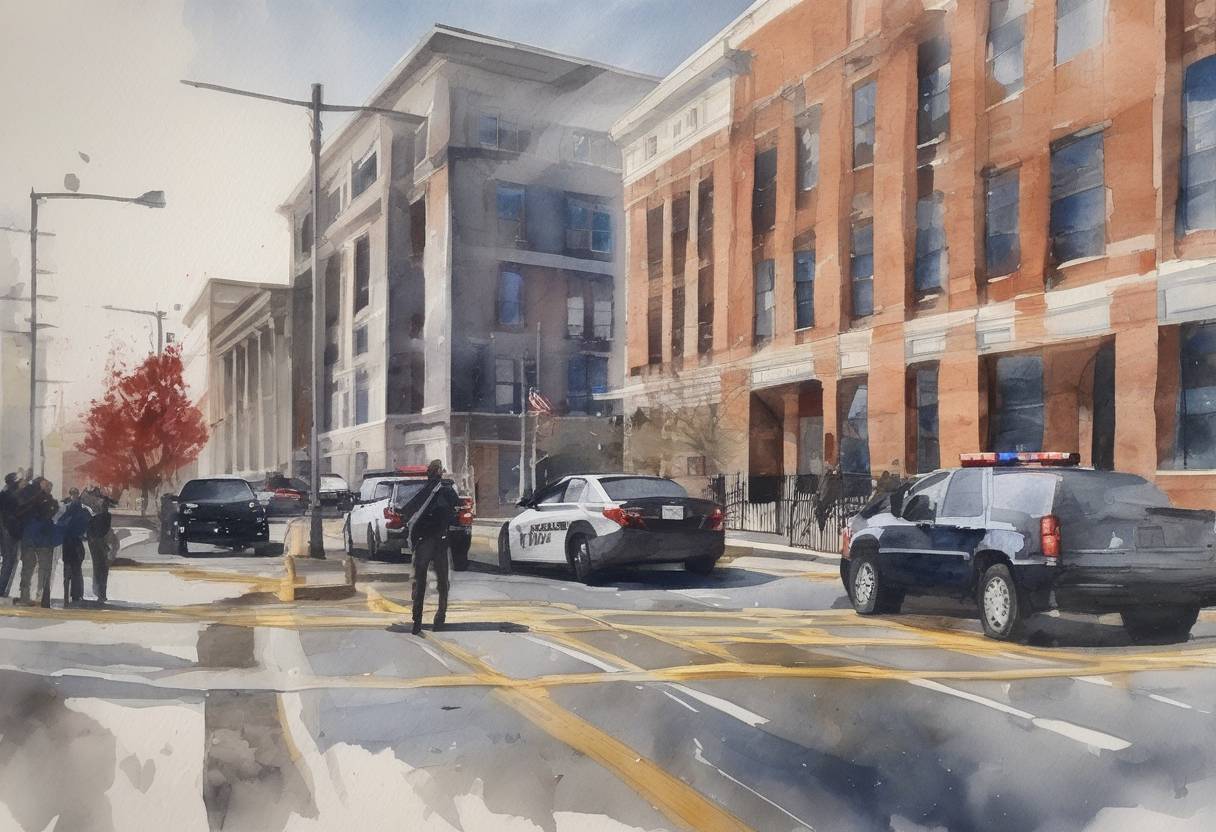
Washington Navy Yard Shooting - September 16, 2013
On September 16, 2013, a tragic mass shooting occurred at the Washington Navy Yard in Washington, D.C. This incident resulted in the deaths of 12 individuals and injuries to three others. The lone gunman, Aaron Alexis, was ultimately shot and killed by police officers responding to the scene.
Background
The Washington Navy Yard is a historic naval installation and the oldest shore establishment of the U.S. Navy. It serves as the headquarters for the Naval Sea Systems Command (NAVSEA), which is responsible for engineering, building, and maintaining the Navy’s ships and submarines.
The Incident
Perpetrator: Aaron Alexis, a 34-year-old former Navy reservist and IT contractor, was identified as the shooter. Alexis had a history of mental health issues and had previously reported hearing voices.
Timeline: The shooting began at approximately 8:16 AM EDT. Alexis entered Building 197, the NAVSEA headquarters, armed with a shotgun. He moved through the building, firing at random individuals.
Response: Law enforcement, including the Metropolitan Police Department and federal agencies, responded swiftly to the active shooter situation. The building was placed on lockdown, and a coordinated effort was made to evacuate and secure the area.
Casualties: In addition to the 12 fatalities, three individuals were injured. The victims were primarily civilian employees and contractors working at the Navy Yard.
Aftermath
Investigation: The FBI led the investigation into the shooting. It was determined that Alexis acted alone and had no ties to terrorist organizations. His motives were linked to his mental health struggles.
Security Measures: The incident prompted a review of security protocols at military installations across the United States. Recommendations were made to enhance security measures and improve mental health support for military personnel and contractors.
Memorials: Memorial services were held to honor the victims, and a permanent memorial was established at the Navy Yard to commemorate those who lost their lives.
Broader Significance
The Washington Navy Yard shooting highlighted critical issues regarding mental health, workplace security, and gun control in the United States. It spurred discussions on how to better identify and support individuals experiencing mental health crises and the importance of securing sensitive government facilities.
The tragedy remains a somber reminder of the impact of gun violence and the need for comprehensive strategies to prevent similar incidents in the future.