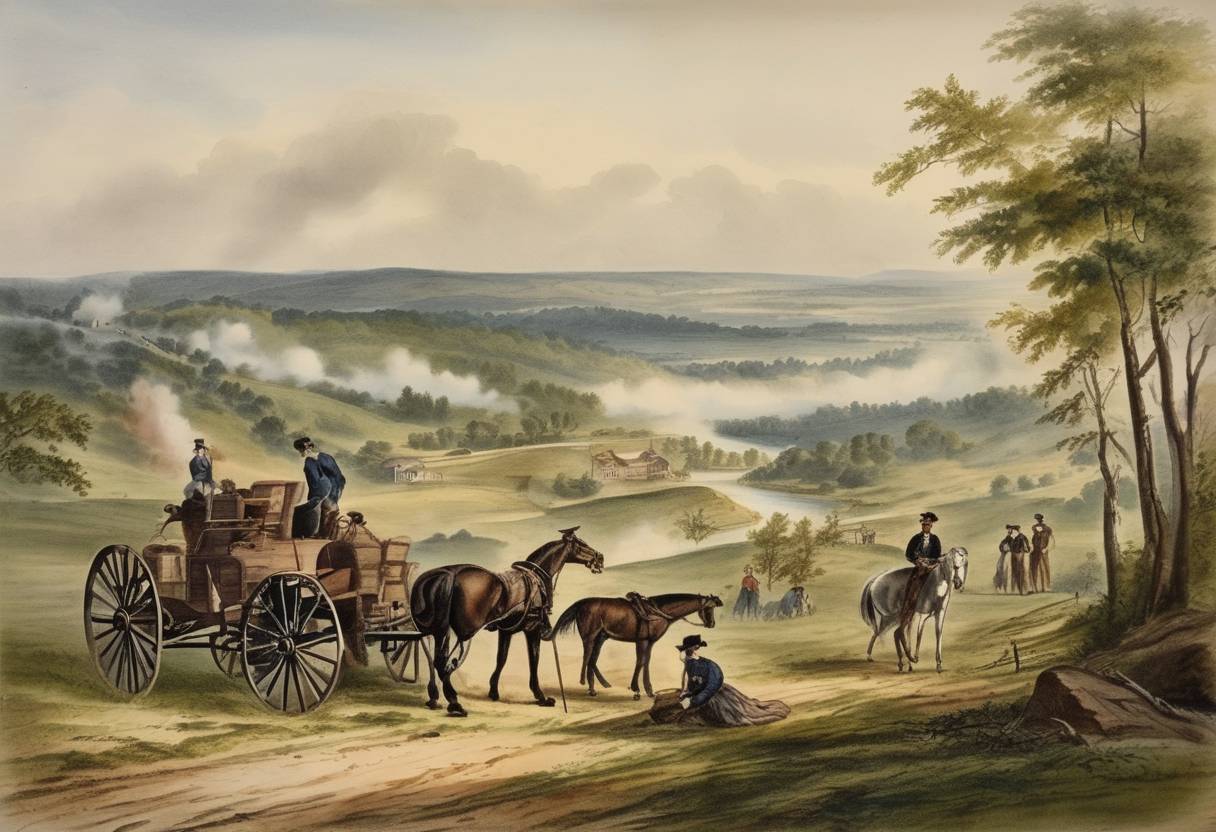
Kentucky’s Declaration of Neutrality During the American Civil War
On April 21, 1861, during the early stages of the American Civil War, the state of Kentucky officially declared its neutrality in the conflict. This decision was made amidst a rapidly deteriorating national unity following the secession of multiple Southern states and the outbreak of war at Fort Sumter earlier in April 1861.
Context and Background
Kentucky’s position as a border state with geographic and economic ties to both the Union and the Confederacy made its stance critical in the Civil War. The state’s economy was intertwined with the Southern states due to its agricultural outputs, including tobacco and hemp, which relied heavily on slave labor. However, many of its residents also supported the preservation of the Union, reflecting the divided sentiment within the state.
The Declaration
The declaration of neutrality was made by the Kentucky General Assembly, which aimed to keep the state from being involved in the conflict and avoid the devastation of war on its soil. Governor Beriah Magoffin, who harbored Southern sympathies, played a significant role in advocating for the state’s neutral position. Kentucky sought to maintain peaceful relations with both the Union and the Confederacy, with leaders hoping that this stance could aid future reconciliation efforts.
Significance
Kentucky’s neutral position was strategically significant due to its central location and the Ohio River, which served as a critical boundary and resource. Both the Union and the Confederacy were keenly interested in Kentucky’s allegiance. The state’s neutrality was viewed with skepticism by both sides, who doubted its feasibility over the long term, given the escalating military actions around them.
Aftermath
Kentucky’s neutrality was eventually undermined as the war progressed. By September 1861, Confederate forces occupied Columbus, Kentucky, leading to increased pressure on the state. In response, Union forces also moved into Kentucky, effectively ending its status as a neutral state. From that point forward, Kentucky’s government officially supported the Union, although the state witnessed internal divisions and contributed troops to both sides throughout the conflict.
Kentucky’s initial declaration of neutrality reflected the complexities and divisions among border states during the Civil War, highlighting the intersection of strategic military concerns and deep-rooted political, economic, and social affiliations.