The Sinking of the RMS Titanic: April 14, 1912
1912 · North Atlantic Ocean, International Waters
The RMS Titanic struck an iceberg in the North Atlantic Ocean at 11:40 PM ship's time, leading to its sinking and the loss of over 1,500 lives.
April 15, 1912
The RMS Titanic sank in the North Atlantic Ocean after hitting an iceberg, resulting in the deaths of over 1,500 passengers and crew.
North Atlantic Ocean, None | White Star Line
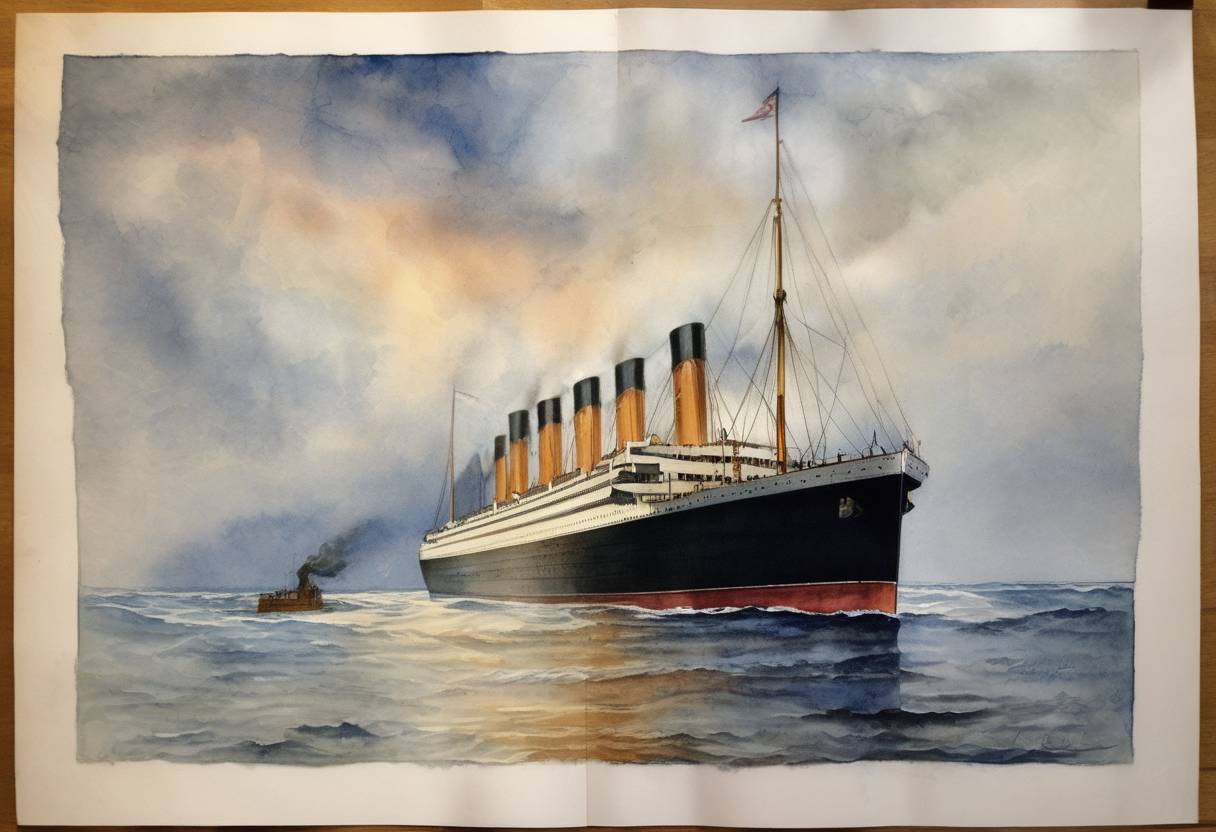
On April 15, 1912, the RMS Titanic, a British passenger liner, sank in the North Atlantic Ocean after colliding with an iceberg. This tragic event resulted in the deaths of more than 1,500 passengers and crew, making it one of the deadliest maritime disasters in history.
Construction and Design: The Titanic was built by the Harland and Wolff shipyard in Belfast, Ireland. It was one of the largest and most luxurious ships of its time, measuring approximately 882 feet in length and equipped with advanced safety features, including watertight compartments and remotely activated watertight doors.
Maiden Voyage: The Titanic set sail on its maiden voyage from Southampton, England, to New York City on April 10, 1912. It made stops at Cherbourg, France, and Queenstown (now Cobh), Ireland, before heading across the Atlantic.
Collision with the Iceberg: On the night of April 14, 1912, the Titanic struck an iceberg at approximately 11:40 PM ship’s time. The collision caused the hull plates to buckle inwards along the starboard side, creating a series of openings below the waterline.
Sinking: Over the next few hours, the ship’s compartments filled with water. Despite being designed to stay afloat with up to four compartments breached, the iceberg damage affected five, leading to the ship’s eventual sinking.
Evacuation and Lifeboats: The Titanic carried 20 lifeboats, enough for only about half of the passengers and crew. The evacuation process was poorly managed, with many lifeboats launched partially filled. The ship sank at approximately 2:20 AM on April 15, 1912.
Casualties: Of the estimated 2,224 passengers and crew aboard, more than 1,500 perished. The high casualty rate was due in part to insufficient lifeboats and the lack of preparedness for such an emergency.
Rescue Efforts: The RMS Carpathia arrived at the scene around 4:00 AM and rescued approximately 710 survivors from the lifeboats.
Impact and Legacy: The sinking of the Titanic led to significant changes in maritime regulations, including the establishment of the International Convention for the Safety of Life at Sea (SOLAS) in 1914. These regulations mandated sufficient lifeboats for all passengers, lifeboat drills, and 24-hour radio watch on ships.
The Titanic disaster remains a poignant reminder of human fallibility and the limits of technology. It has been the subject of numerous books, films, and studies, continuing to captivate public imagination over a century later. The tragedy underscored the need for improved safety standards and has had a lasting impact on maritime practices worldwide.
Source: en.wikipedia.org