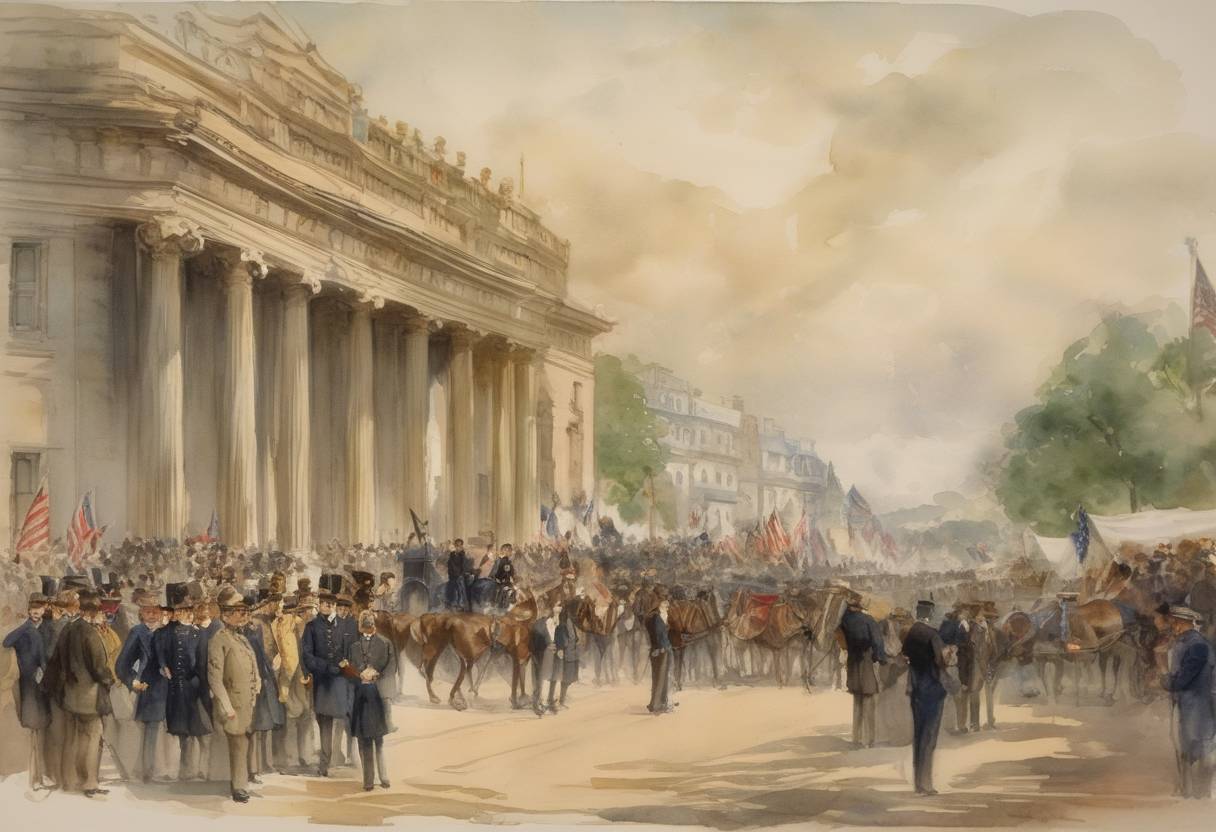
Ratification of the Treaties of Paris and Washington - December 11, 1899
On December 11, 1899, the Spanish-American War, which marked a significant turning point in U.S. foreign policy and colonial expansion, saw its formal conclusion with the U.S. Senate’s ratification of the Treaties of Paris and Washington. These important international agreements reshaped the geopolitical landscape of the late 19th century.
The Treaty of Paris (1898)
The Treaty of Paris was initially signed on December 10, 1898, effectively ending hostilities between Spain and the United States that had begun in April of the same year. Key terms included:
- Cession of Territories: Spain relinquished control over Puerto Rico, Guam, and the Philippines to the United States. These territories marked the beginning of America’s overseas empire and a departure from its previous anti-imperialistic stance.
- Cuba’s Status: Spain renounced all rights to Cuba, which became a U.S. protectorate rather than a formal acquisition. The Platt Amendment later placed conditions on Cuban independence.
- Monetary Compensation: The United States agreed to pay Spain an indemnity of $20 million for the Philippines, signifying a shift to purchasing land claims following conflict resolutions.
Treaty of Washington and Aftermath
The Treaty of Washington was adopted to address Spanish claims by establishing protocols for treaty obligations and managing the newly-acquired territories.
- Significant Influence: Ratification instigated debates over American imperialism and raised questions concerning governance, civil rights, and the spread of democracy, influencing future U.S. expansionist policies.
- Philippines Insurrection: Almost immediately after the cession, tensions escalated into the Philippine-American War, a conflict fueled by Filipino resistance to American colonial rule, lasting until 1902.
Broader Historical Significance
These treaties and their ratifications paved the way for the United States to emerge as a global power with imperial interests. The shift altered the course of American foreign policy from isolationism to a more assertive international role, influencing the country’s future interactions and conflicts on the global stage. The aftermath of these events set the stage for the “American Century,” defined by substantial economic and political influence worldwide.