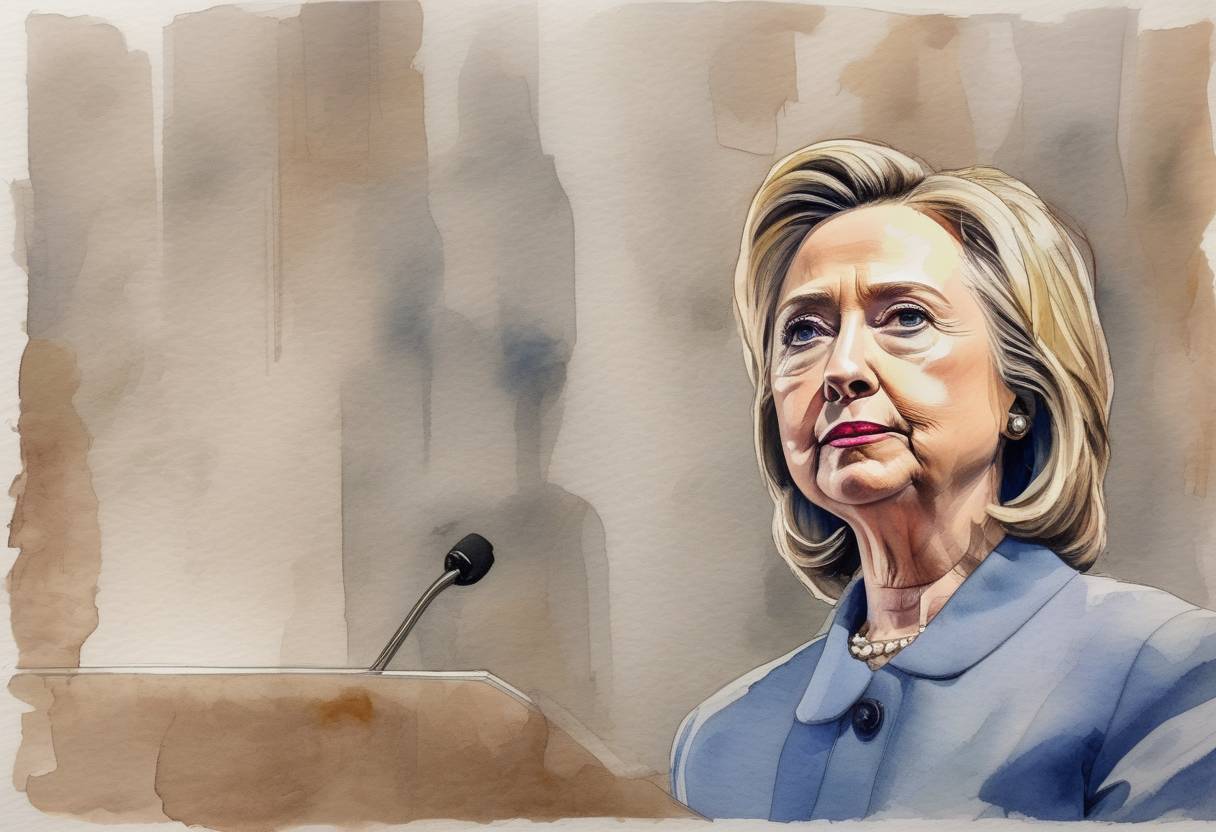
FBI Announcement on Hillary Clinton’s Email Investigation - July 6, 2016
On July 6, 2016, the Federal Bureau of Investigation (FBI) made a significant announcement regarding its investigation into Hillary Clinton’s use of a private email server during her tenure as Secretary of State. This investigation had been a focal point of public and political scrutiny, especially during the 2016 presidential campaign, where Clinton was the Democratic nominee.
Background
Hillary Clinton served as the U.S. Secretary of State from 2009 to 2013. During her time in office, she used a private email server for official communications, which raised concerns about the security and handling of classified information. The controversy intensified when it was revealed that some of the emails contained classified information, prompting an FBI investigation.
The FBI’s Findings
On July 5, 2016, FBI Director James Comey publicly addressed the investigation’s findings. The key points of the announcement were:
No Criminal Charges Recommended: The FBI concluded that there was no clear evidence that Clinton or her colleagues intended to violate laws governing the handling of classified information. As a result, the FBI did not recommend criminal charges against her.
Criticism of Handling: Despite not recommending charges, the FBI criticized Clinton’s handling of classified information. Comey described her actions as “extremely careless” with respect to the use of a private email server for sensitive communications.
Security Implications: The investigation found that 110 emails in 52 email chains contained classified information at the time they were sent or received. Eight of those chains contained information that was “Top Secret” at the time they were sent.
Aftermath and Significance
The FBI’s decision not to recommend charges was met with mixed reactions. Supporters of Clinton viewed the decision as a vindication, while critics, including many political opponents, argued that it highlighted a double standard in the handling of classified information.
The announcement had significant implications for the 2016 presidential election. It became a central issue in the campaign, with opponents using it to question Clinton’s judgment and trustworthiness. The controversy over her emails persisted throughout the election cycle and beyond.
In a broader context, the investigation and its outcomes underscored ongoing debates about cybersecurity, the handling of classified information, and transparency in government communications. The incident also highlighted the challenges of balancing security with the convenience of modern communication technologies in government operations.