The Transit of Venus on June 8, 2004
2004 · N/A, N/A
The first transit of Venus since 1882 occurs, visible from Europe, Asia, and Africa.
January 3, 2009
The first block of the Bitcoin blockchain, known as the Genesis Block, is mined by Bitcoin's creator, Satoshi Nakamoto, marking the birth of the cryptocurrency.
N/A, N/A | N/A
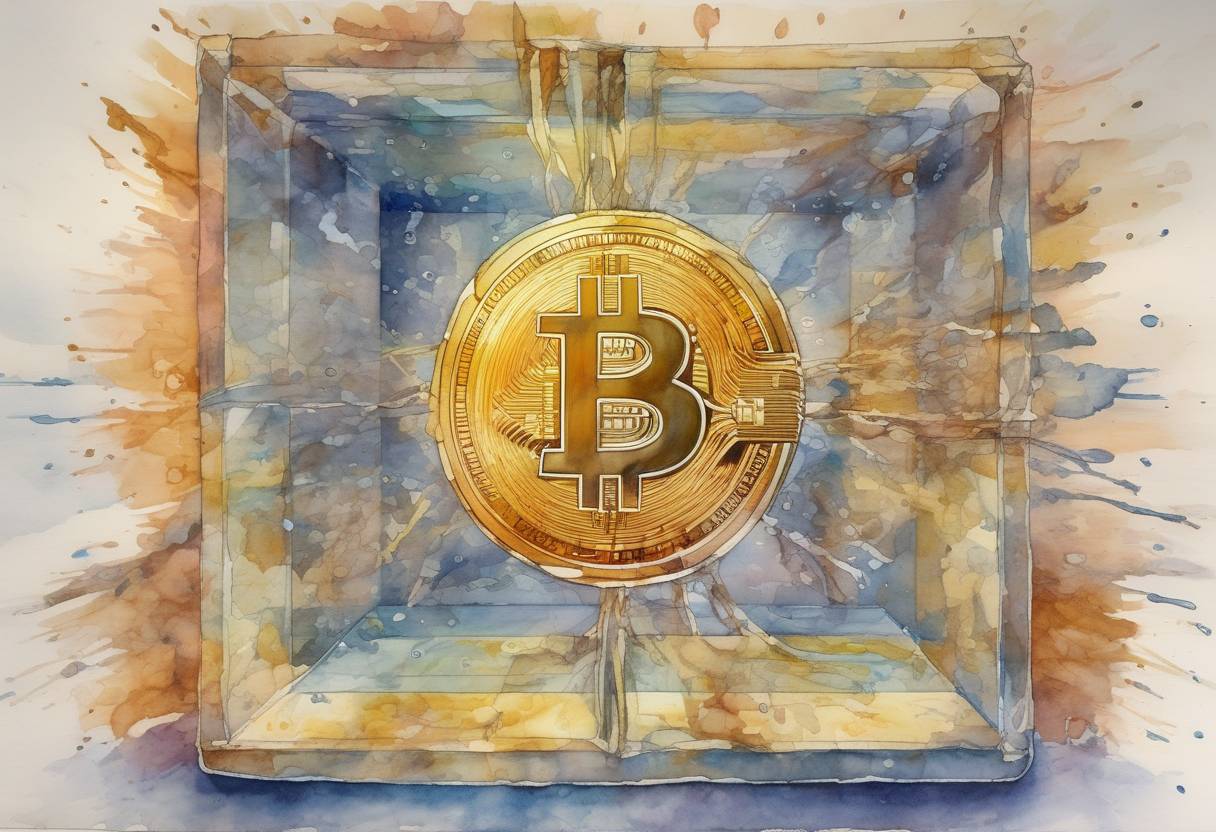
On January 3, 2009, a pivotal moment in the history of digital currency occurred with the mining of the first block of the Bitcoin blockchain, known as the “Genesis Block” or “Block 0.” This event marked the inception of Bitcoin, a decentralized cryptocurrency that would go on to revolutionize the financial landscape.
The concept of Bitcoin was introduced in a whitepaper titled “Bitcoin: A Peer-to-Peer Electronic Cash System,” published in October 2008 by an individual or group using the pseudonym Satoshi Nakamoto. The paper outlined a novel approach to digital currency, emphasizing decentralization, security, and the elimination of the need for a central authority.
The Genesis Block is not only the foundation of the Bitcoin blockchain but also a symbolic statement against the traditional banking system. By embedding a contemporary news headline, Nakamoto underscored the need for a new, trustless financial system in response to the 2008 financial crisis.
The mining of the Genesis Block on January 3, 2009, represents a landmark event in the history of digital currencies. It laid the groundwork for a new era of financial technology, challenging traditional systems and inspiring a wave of innovation that continues to evolve today.
Source: bitcoin.org