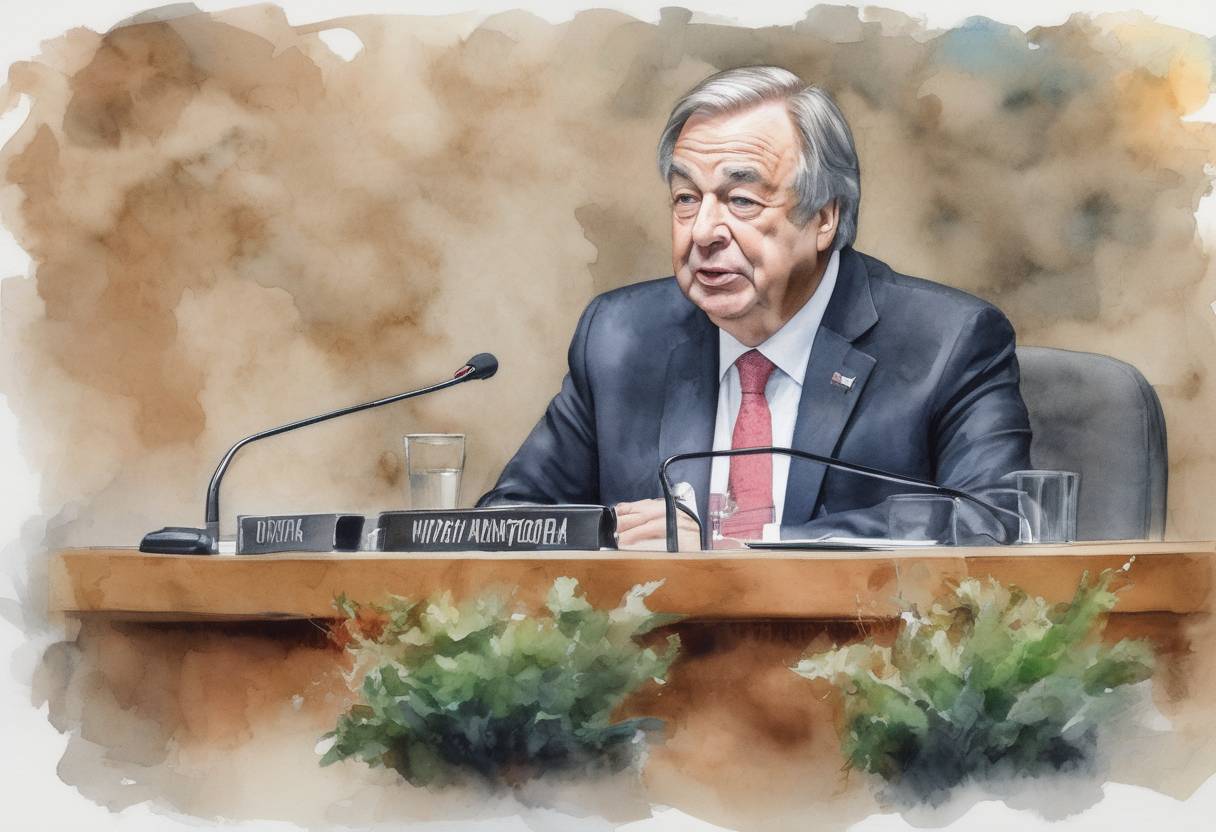
António Guterres Elected for a Second Term as UN Secretary-General
On June 9, 2017, António Guterres was elected by the United Nations General Assembly for a second term as the Secretary-General of the United Nations, with his term officially beginning on January 1, 2017. Guterres, a seasoned diplomat and former Prime Minister of Portugal, became the ninth individual to hold the prestigious position of Secretary-General.
Background
António Guterres: Born on April 30, 1949, in Lisbon, Portugal, Guterres had a distinguished political career before joining the United Nations. He served as the Prime Minister of Portugal from 1995 to 2002 and was the United Nations High Commissioner for Refugees from 2005 to 2015. His tenure at the UNHCR was marked by significant challenges, including the Syrian refugee crisis.
UN Secretary-General Role: The Secretary-General is the head of the United Nations Secretariat, one of the principal organs of the UN. The role involves being a spokesperson for the interests of the world’s peoples, particularly the poor and vulnerable, and is often described as a “diplomat and advocate” for global peace and security.
Election and Term
Election Process: Guterres was first elected as Secretary-General in October 2016, succeeding Ban Ki-moon. His election for a second term was marked by widespread support from the UN member states, reflecting confidence in his leadership and vision for the organization.
Second Term Goals: During his second term, Guterres focused on several key issues, including climate change, sustainable development, and conflict resolution. He emphasized the importance of multilateralism and international cooperation in addressing global challenges.
Significance
Leadership Style: Guterres is known for his pragmatic approach and commitment to reforming the United Nations to make it more efficient and responsive to global issues. His leadership style is characterized by a focus on diplomacy and consensus-building.
Global Challenges: His tenure has been marked by efforts to address pressing global challenges such as the COVID-19 pandemic, geopolitical tensions, and humanitarian crises. Guterres has consistently advocated for stronger international collaboration to tackle these issues.
Conclusion
António Guterres’ re-election as the UN Secretary-General underscored the international community’s trust in his leadership during a period of significant global challenges. His continued focus on fostering peace, security, and sustainable development remains central to his vision for the United Nations.