Thailand's First Constitution Day - December 10, 1932
1932 · Bangkok, Thailand
Thailand celebrated its first Constitution Day commemorating the adoption of the country's first permanent constitution a few months earlier.
July 31, 1992
Thailand's King Bhumibol Adulyadej signed a new constitution, marking a significant step towards democratic reform in the country.
Bangkok, Thailand | Government of Thailand
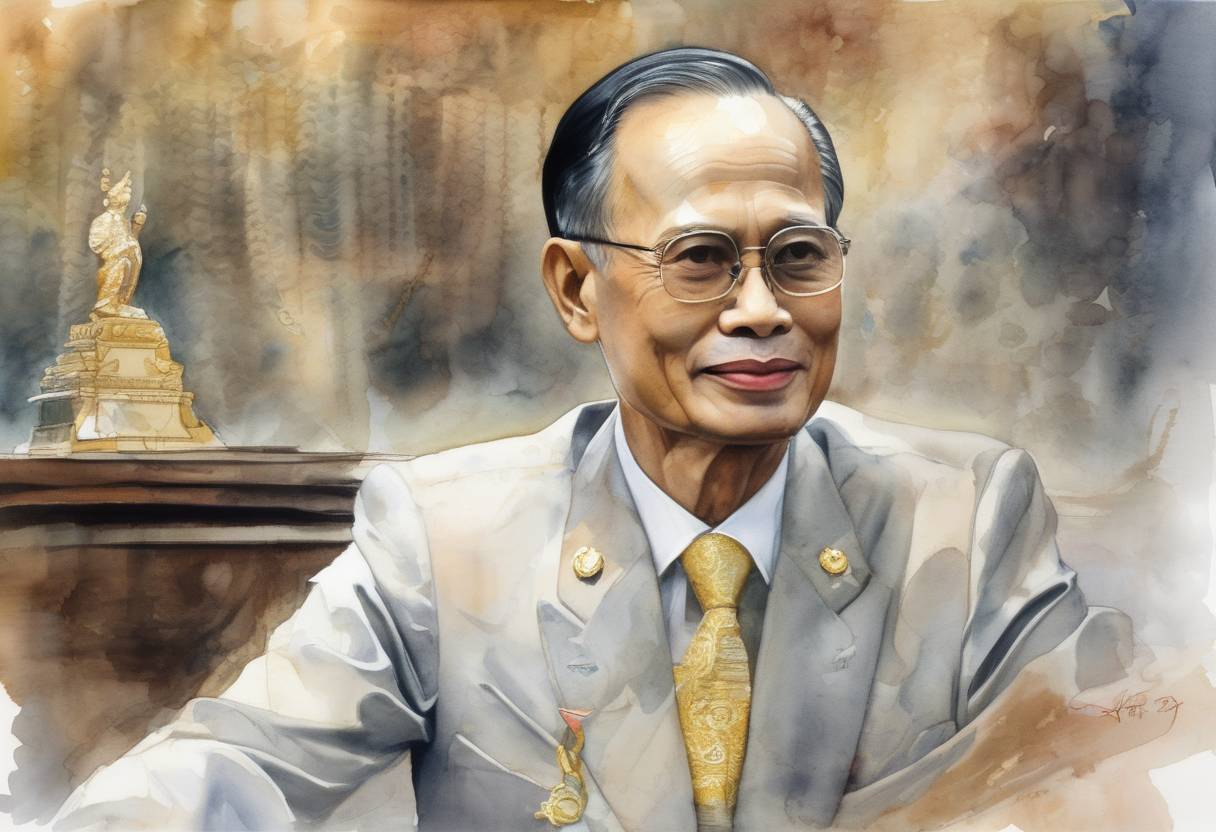
On July 31, 1992, King Bhumibol Adulyadej of Thailand signed a new constitution, marking a pivotal moment in the country’s journey towards democratic reform. This event was a response to a period of intense political turmoil and public demand for democratic governance.
The early 1990s in Thailand were characterized by significant political unrest. The country had experienced a series of military coups, with the most recent occurring in 1991, when the military overthrew the civilian government. This led to the installation of a military-backed government under Prime Minister Suchinda Kraprayoon, a former army chief.
The appointment of Suchinda, who had not been elected, sparked widespread protests, culminating in the “Black May” protests of 1992. These demonstrations were marked by violent clashes between protesters and the military, resulting in numerous casualties and drawing international condemnation.
In the wake of these events, there was a strong push for political reform and the establishment of a more democratic system. The new constitution, signed by King Bhumibol on July 31, 1992, was a direct response to these demands. It aimed to reduce military influence in politics and enhance democratic governance.
The signing of the 1992 constitution was a significant step towards democratization in Thailand. It marked a shift away from military dominance in politics and laid the groundwork for future democratic developments. The reforms helped to stabilize the political climate and restore public confidence in the government.
However, the journey towards full democracy in Thailand remained complex, with subsequent political challenges and constitutional changes occurring in the following decades. Nonetheless, the 1992 constitution is remembered as a crucial milestone in Thailand’s ongoing pursuit of democratic governance.
King Bhumibol’s role in this process was seen as pivotal, as his endorsement of the constitution underscored the monarchy’s support for democratic reform, which was crucial in legitimizing the changes and fostering national unity during a turbulent period.
Source: www.britannica.com