Malta Becomes a Republic within the Commonwealth of Nations
1974 · Valletta, Malta
Malta becomes a republic within the Commonwealth of Nations.
September 21, 1964
Malta gains independence from the United Kingdom.
Valletta, Malta | British Government
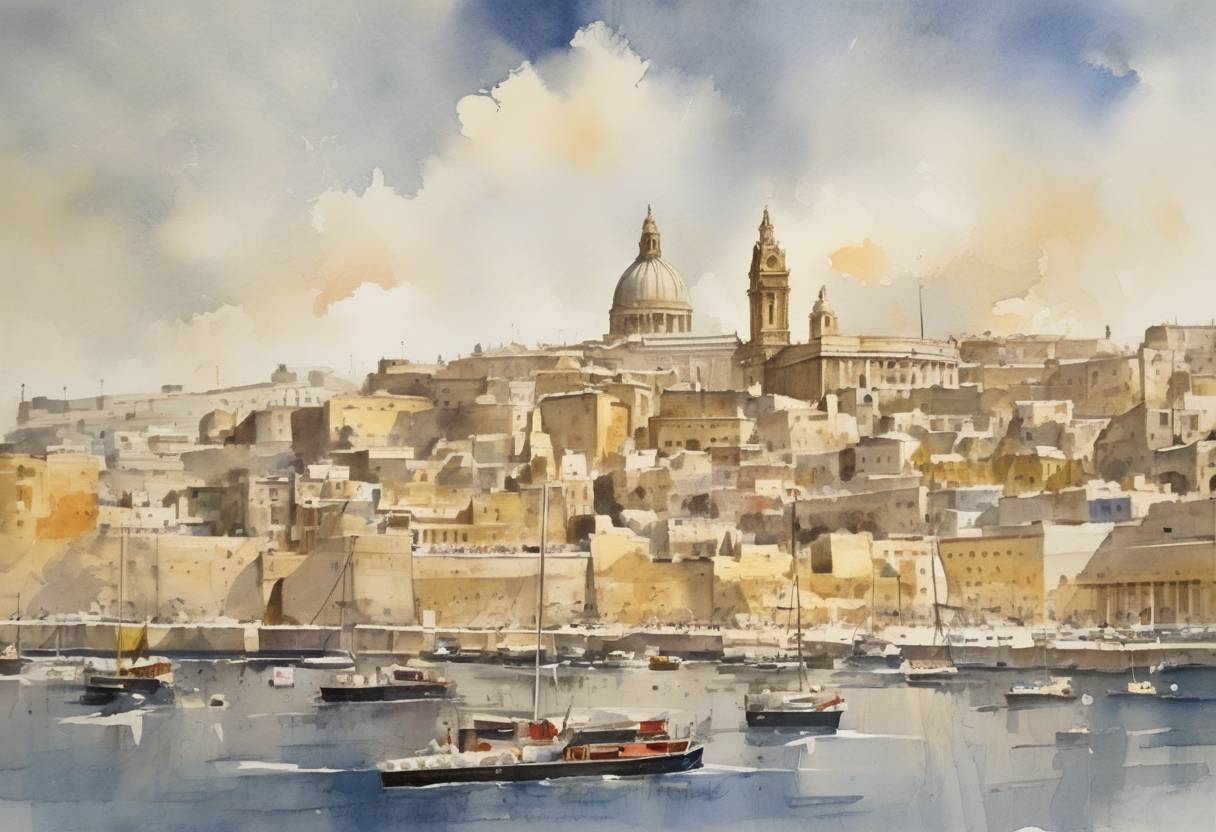
On September 21, 1964, Malta achieved independence from the United Kingdom, marking a significant milestone in its history. This event was the culmination of a long journey towards self-governance and national sovereignty.
Malta’s strategic location in the Mediterranean Sea made it a valuable asset for various empires throughout history, including the Phoenicians, Romans, Byzantines, Arabs, Normans, and the Knights of St. John. In 1814, Malta became a British colony following the Treaty of Paris, which ended the Napoleonic Wars.
During World War II, Malta played a crucial role as a base for Allied operations, enduring heavy bombardment by Axis forces. The island’s resilience earned it the George Cross, awarded by King George VI in 1942, which remains a symbol of Maltese bravery.
The post-war period saw growing demands for self-determination. In 1947, Malta was granted self-government, with a legislative assembly responsible for domestic affairs. However, defense and foreign policy remained under British control.
The push for full independence gained momentum in the 1950s and early 1960s, led by political figures such as Dom Mintoff of the Malta Labour Party and George Borg Olivier of the Nationalist Party. The latter played a pivotal role in negotiating Malta’s independence.
On September 21, 1964, Malta officially became an independent nation within the Commonwealth. The British monarch, Queen Elizabeth II, remained the head of state, represented by a Governor-General. George Borg Olivier became Malta’s first Prime Minister.
The independence constitution provided for a parliamentary democracy, with a House of Representatives elected by the Maltese people. This marked the beginning of a new era for Malta, allowing it to establish its own identity and pursue economic development.
Independence paved the way for Malta to join international organizations, including the United Nations in 1964. In 1974, Malta became a republic, with the President as the head of state, further solidifying its sovereignty.
Malta’s independence is celebrated annually on September 21 as Independence Day, a national holiday. The event is a testament to the island’s resilience and determination to forge its own path in the world.
Today, Malta is a member of the European Union and continues to play a significant role in regional and international affairs, leveraging its strategic location and rich cultural heritage.
Source: en.wikipedia.org