India Becomes a Republic: January 26, 1950
1950 · New Delhi, India
India officially became a republic, adopting its constitution and marking Republic Day.
January 26, 1965
Hindi was declared the official language of India, alongside English.
New Delhi, India | Government of India
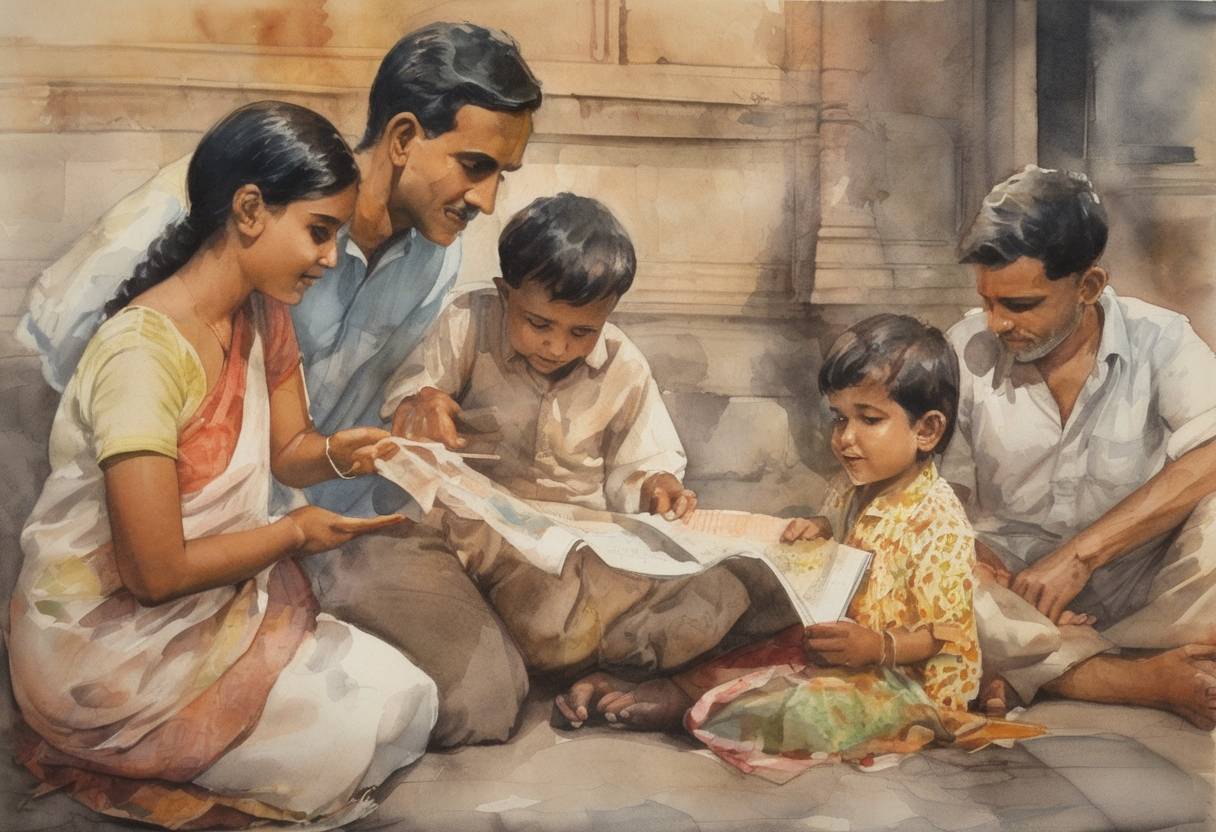
On January 26, 1965, Hindi was officially declared the national language of India, alongside English, marking a significant moment in the country’s post-independence history. This decision was rooted in the linguistic and cultural diversity of India and was a result of extensive debates and considerations that took place during the drafting of the Indian Constitution.
Constitutional Provisions: The Indian Constitution, which came into effect on January 26, 1950, initially recognized Hindi in the Devanagari script as the official language of the Union. However, it also provided for the continued use of English for official purposes for a period of 15 years, until January 26, 1965, to facilitate a smooth transition.
Linguistic Diversity: India is home to a multitude of languages and dialects. The decision to promote Hindi was part of an effort to establish a common linguistic identity, but it also had to consider the linguistic diversity and sensitivities of non-Hindi-speaking regions.
Language Debates: Throughout the 1950s and early 1960s, there were intense debates and discussions regarding the official language policy. The Constituent Assembly had envisioned Hindi as the primary language, but the transition was met with resistance, particularly from southern states where Dravidian languages like Tamil, Telugu, Kannada, and Malayalam are predominant.
Official Languages Act of 1963: To address these concerns, the Indian government enacted the Official Languages Act in 1963. This act allowed for the continued use of English alongside Hindi for official purposes even after the 15-year period stipulated by the Constitution.
Implementation: On January 26, 1965, Hindi was formally declared the official language of India, with English continuing as an associate official language. This dual-language policy was intended to balance the need for a national language with the practicalities of administration and communication across diverse linguistic regions.
Protests and Reactions: The declaration led to widespread protests, especially in Tamil Nadu and other non-Hindi-speaking states. The agitation was driven by fears of Hindi imposition and the potential marginalization of regional languages.
Policy Adjustments: In response to the protests, the Indian government assured that English would remain an associate official language indefinitely, and no timeline was set for its phase-out. This helped to ease tensions and allowed for a more inclusive language policy.
Long-term Impact: The decision to maintain both Hindi and English as official languages has had a lasting impact on India’s linguistic landscape. It has facilitated communication and administration across the country while respecting regional linguistic identities.
Cultural Integration: The dual-language policy reflects India’s commitment to cultural integration and unity in diversity. It underscores the importance of accommodating linguistic diversity in a multilingual nation.
Ongoing Debates: Language continues to be a sensitive and dynamic issue in India, with ongoing discussions about the role of regional languages and the balance between national and local identities.
In summary, the declaration of Hindi as the official language of India on January 26, 1965, alongside English, was a pivotal moment that highlighted the complexities of linguistic policy in a diverse nation. It set the stage for ongoing dialogue and adaptation in India’s approach to language and identity.
Source: en.wikipedia.org