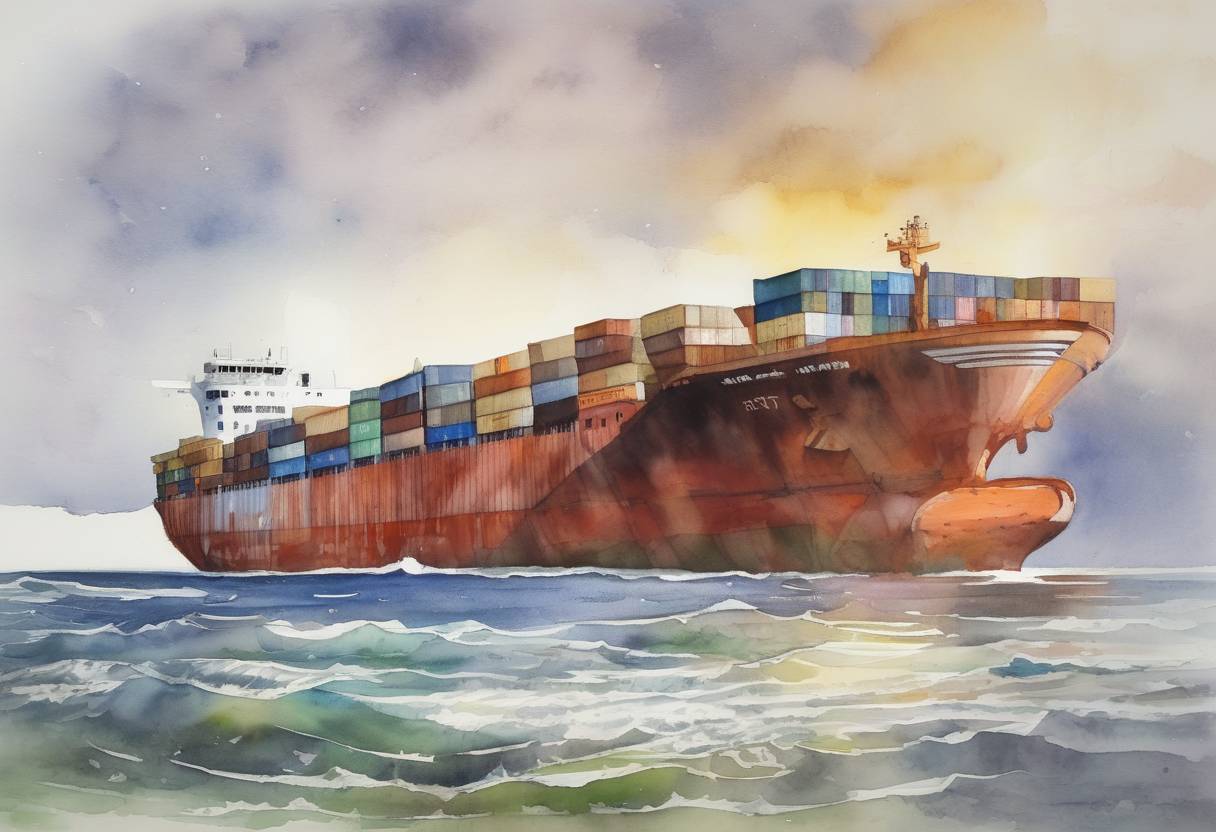
The MV Rena Disaster: January 7, 2012
Background
The MV Rena was a Liberian-flagged container ship that became infamous for causing one of New Zealand’s worst maritime environmental disasters. On October 5, 2011, the vessel ran aground on the Astrolabe Reef, located off the coast of Tauranga in the Bay of Plenty, New Zealand. The grounding occurred due to navigational errors, and the ship was carrying 1,368 containers along with 1,700 tonnes of heavy fuel oil and 200 tonnes of marine diesel oil.
Events Leading to January 7, 2012
After the initial grounding, efforts were made to stabilize the ship and mitigate environmental damage. However, these efforts were hampered by adverse weather conditions and the precarious position of the vessel. Over the following months, the Rena suffered structural damage, leading to oil spills and the loss of containers into the sea, which caused widespread pollution and ecological harm.
January 7, 2012: The Breaking of the MV Rena
On January 7, 2012, the MV Rena broke in two due to continuous pounding by rough seas. This event marked a significant escalation in the disaster:
- Structural Failure: The ship’s structural integrity had been compromised since the grounding, and the constant battering by waves eventually caused the vessel to split into two sections.
- Environmental Impact: The breaking of the ship resulted in further spillage of oil and debris into the ocean, exacerbating the environmental damage. The oil spill affected marine life, seabirds, and the local coastline, leading to extensive cleanup operations.
- Response Efforts: Salvage teams intensified their efforts to remove the remaining oil and containers from the wreck. The operation was complicated by the ship’s unstable condition and the challenging weather conditions.
Aftermath and Consequences
The MV Rena disaster had significant environmental, economic, and legal repercussions:
- Environmental Recovery: The cleanup and recovery efforts continued for several years, involving local authorities, environmental organizations, and volunteers. The focus was on removing oil residues, debris, and restoring affected ecosystems.
- Legal Proceedings: The ship’s captain and navigation officer were charged and pleaded guilty to operating the ship in a dangerous manner, discharging harmful substances, and altering ship documents. They were sentenced to prison terms.
- Policy Changes: The disaster prompted New Zealand to review and strengthen its maritime safety regulations and response strategies to prevent similar incidents in the future.
Broader Historical Significance
The MV Rena disaster highlighted the vulnerabilities of maritime navigation and the potential environmental risks associated with shipping. It underscored the importance of stringent safety measures, effective response plans, and international cooperation in protecting marine environments from human-induced disasters. The event also served as a reminder of the delicate balance between economic activities and environmental stewardship.