West Side Story's Broadway Debut
1957 · New York City, United States
The musical 'West Side Story' made its debut on Broadway at the Winter Garden Theatre.
April 29, 1968
The musical Hair opened on Broadway. Known for its counterculture-themed content, it became a symbol of the rebellious spirit of the 1960s.
New York City, USA | Broadway
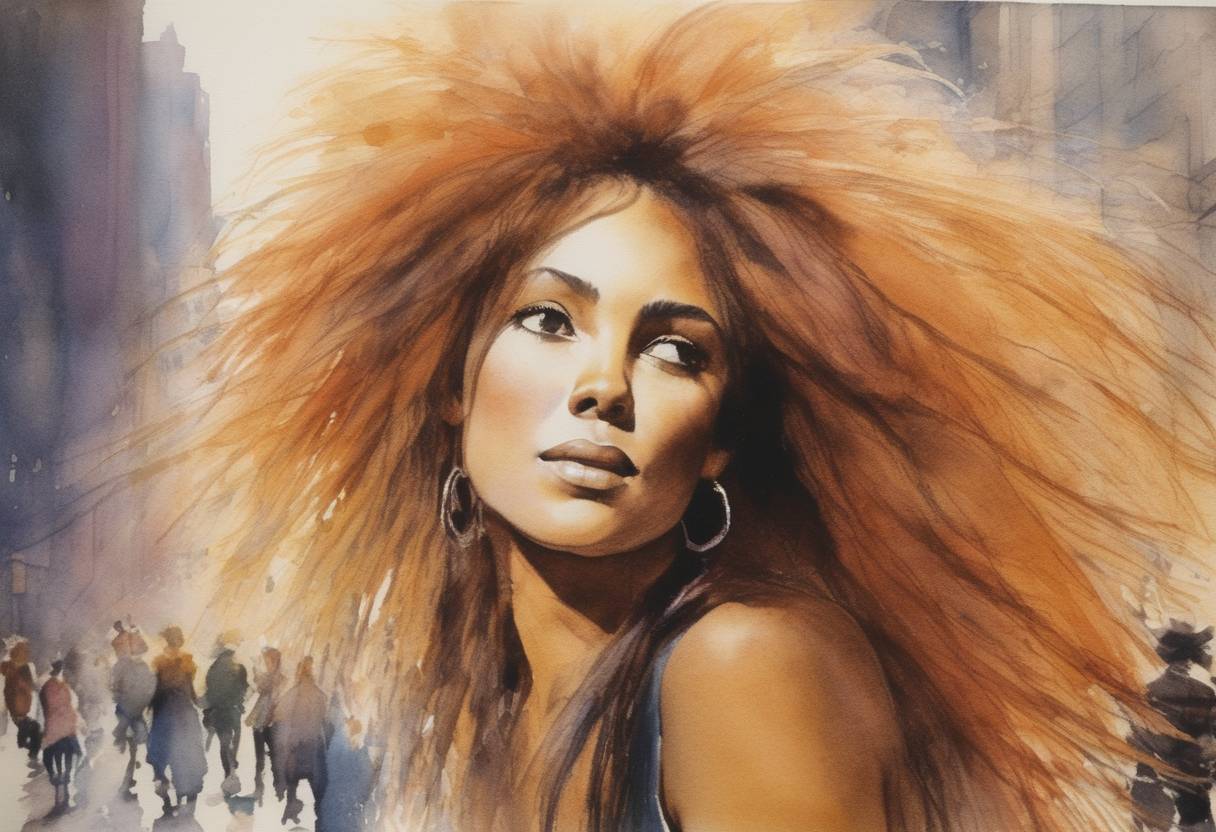
On April 29, 1968, the groundbreaking musical Hair opened on Broadway at the Biltmore Theatre in New York City. Known for its counterculture-themed content, the production quickly became a symbol of the rebellious spirit of the 1960s. With its rock music score and bold narrative, Hair addressed themes such as the Vietnam War, sexual revolution, drug use, and the civil rights movement. It captured the zeitgeist of its era, reflecting the growing discontent among young people towards conventional social norms and government policies.
Before its Broadway debut, Hair premiered on October 17, 1967, at the Public Theater in New York City, marking the first production of the New York Shakespeare Festival. The show’s creators, Gerome Ragni and James Rado, were inspired by the hippie counterculture and American society in the 1960s. Galt MacDermot composed the music, providing an energetic and diverse soundtrack that included styles ranging from rock and soul to funk and rhythm and blues.
The story of Hair follows a “tribe” of politically active, long-haired hippies living a bohemian life in New York City. The musical highlights their struggle against the draft during the Vietnam War, their exploration of drugs, sexuality, and the challenges of embracing love and peace in a tumultuous world. The characters, who reject traditional societal structures and values, represent the youth’s quest for cultural and personal freedom.
Hair was revolutionary for its time, not only in its content but also in its style. It was among the first musicals to eschew conventional Broadway formality, instead embracing more contemporary, rock-influenced music and non-traditional narrative techniques. Songs such as “Aquarius,” “Let the Sunshine In,” and “Good Morning Starshine” became anthems of an era. The use of nudity and obscenity in the play also sparked controversy and debate, challenging censorship norms and expanding artistic boundaries on stage.
The success of Hair on Broadway helped to pave the way for later rock musicals such as Jesus Christ Superstar and Rent. As a cultural artifact, it remains a vivid reminder of the vibrant counterculture of the 1960s and the generational shifts that defined the era. The musical has seen numerous revivals over the years, each re-interpreting its message for new audiences, demonstrating the lasting relevance of its themes and music.
Source: www.britannica.com