Dissolution of the League of Nations: April 8, 1946
1946 · Geneva, Switzerland
The League of Nations, established after World War I to promote peace, was officially dissolved, transferring its assets to the United Nations.
April 20, 1946
The League of Nations officially dissolved, transferring most of its functions to the newly established United Nations.
Geneva, Switzerland | League of Nations
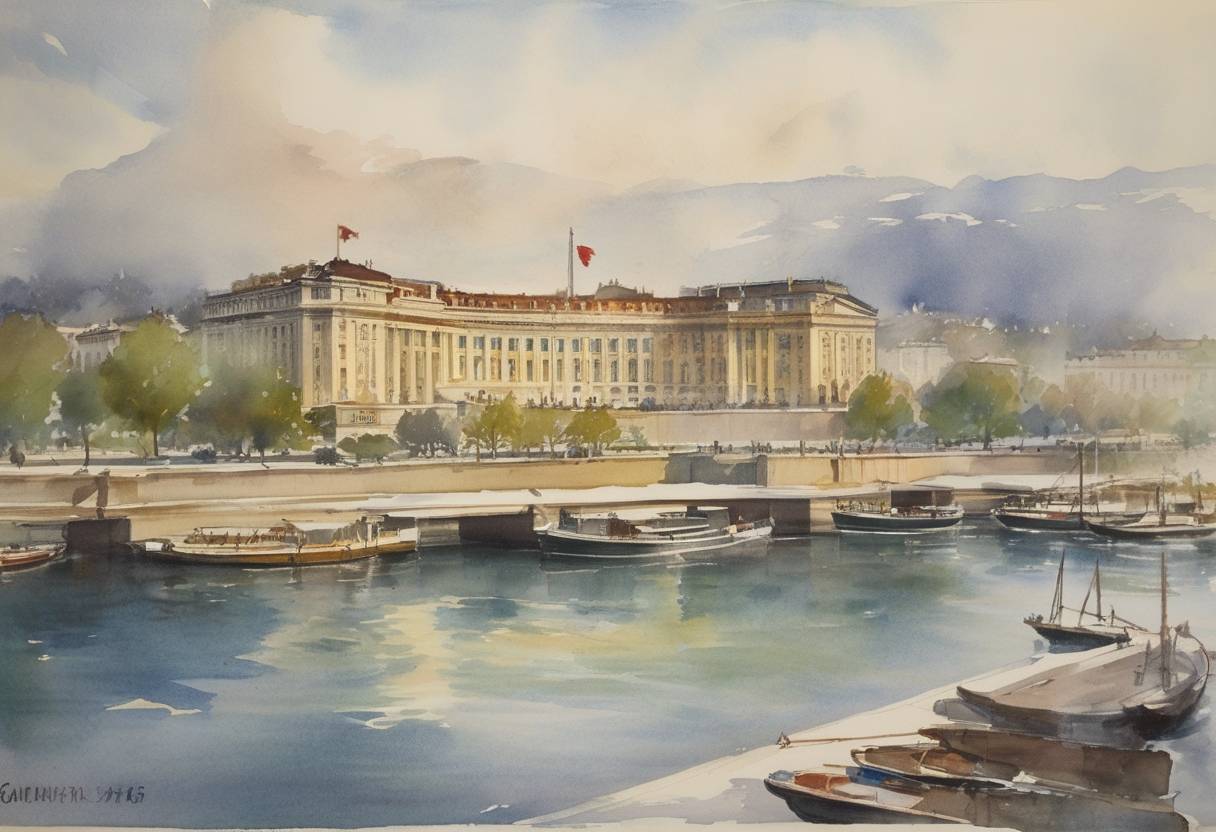
On April 20, 1946, the League of Nations officially dissolved, marking the end of an era for the international organization established after World War I. This dissolution was a crucial turning point in international diplomacy, transferring most of its functions and responsibilities to the newly formed United Nations (UN).
The League of Nations was founded on January 10, 1920, as part of the Treaty of Versailles. Its primary goals were to maintain world peace, prevent wars, and promote disarmament and collective security. Despite its initial promise, the League faced numerous challenges, such as the absence of key powers like the United States, and its inability to prevent aggression and conflicts leading up to World War II.
The failure of the League of Nations to prevent World War II highlighted its weaknesses and led to calls for a more effective international body. During the conferences that led to the establishment of the United Nations, notably the Dumbarton Oaks Conference and the Yalta Conference, it was decided that a new organization would be created to replace the League. This process culminated in the United Nations Conference on International Organization in San Francisco, leading to the UN Charter’s signing on June 26, 1945.
The final session of the League of Nations Assembly took place on April 8-18, 1946. During this meeting, the League voted to officially dissolve itself on April 20. The Assembly’s last act was to transfer its assets, including its building in Geneva, its archives, and financial resources, to the United Nations. Sir Ahron Broches, a legal luminary in international law, notably facilitated this transition, emphasizing a seamless continuity in maintaining international peace and cooperation.
The dissolution of the League of Nations and the transfer of its responsibilities to the United Nations symbolized a renewal of global hopes for a more effective system of collective security and international cooperation. The UN, with its broader membership and more robust structural framework, addressed many of the League’s shortcomings.
The transition underscored the global community’s commitment to learning from past mistakes to avoid the horrors of world conflict. This historical shift marked April 20, 1946, as a date of reconciliation with the past and a step forward in pursuing lasting global peace and security.
Source: www.history.com