The Holocaust: The Tragic Murder of 800 Romani Children at Auschwitz on October 10, 1944
1944 · Auschwitz, Nazi-occupied Poland
The Holocaust: 800 Romani children were murdered at the Auschwitz concentration camp.
April 10, 1944
Rudolf Vrba and Alfréd Wetzler escaped from Auschwitz concentration camp, later providing one of the first detailed reports on the atrocities occurring there.
Auschwitz, Nazi-occupied Poland | N/A
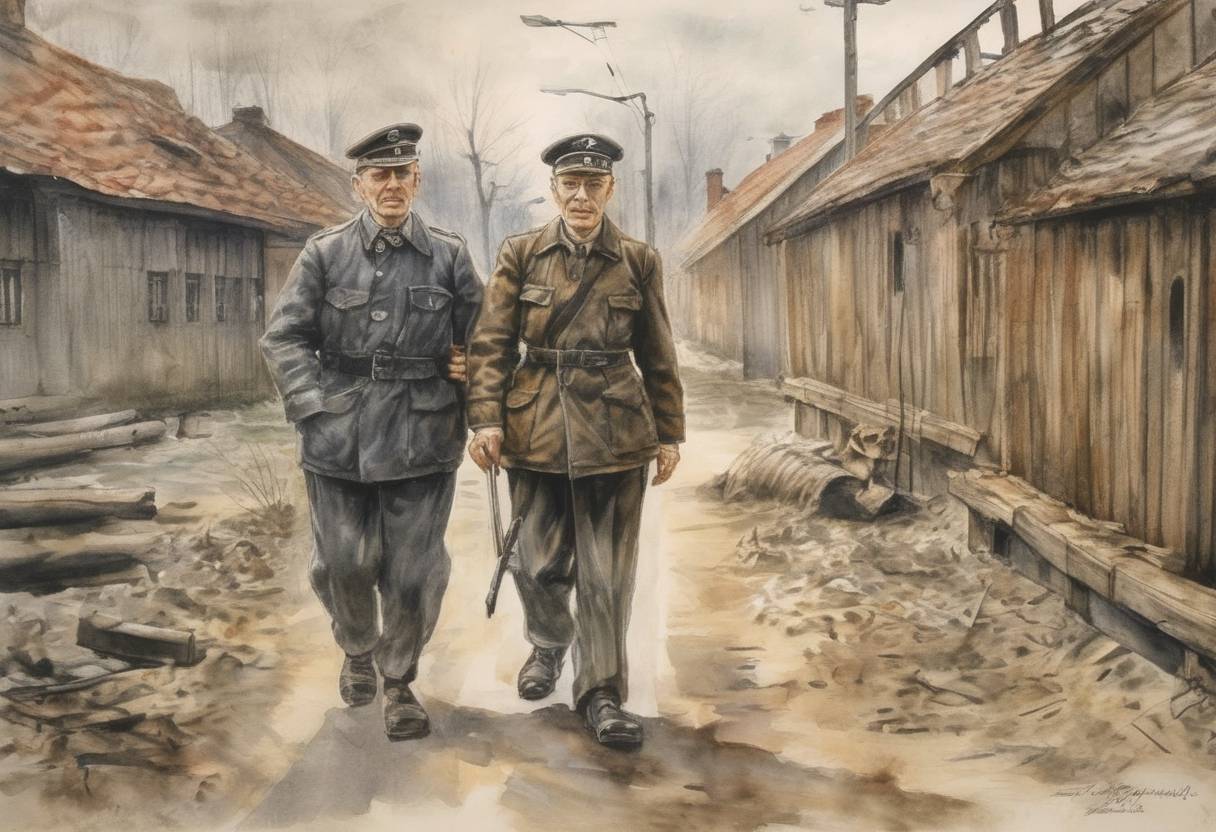
On April 10, 1944, Rudolf Vrba and Alfréd Wetzler successfully escaped from the Auschwitz concentration camp, marking a significant moment in Holocaust history. Their escape led to the creation of one of the first comprehensive reports on the atrocities occurring within the camp, which played a crucial role in informing the world about the Holocaust.
Rudolf Vrba, born Walter Rosenberg in 1924 in Slovakia, and Alfréd Wetzler, born in 1918, were both Slovak Jews who had been deported to Auschwitz. By 1944, Auschwitz had become the largest and most notorious of the Nazi concentration and extermination camps, where millions of Jews and other targeted groups were systematically murdered.
Vrba and Wetzler meticulously planned their escape over several months. They gathered information about the camp’s layout, operations, and the systematic extermination process. On April 7, 1944, they executed their plan by hiding in a woodpile located in a section of the camp under construction. They used gasoline-soaked tobacco to mask their scent from guard dogs. After three days, on April 10, they emerged from their hiding place and began a perilous journey to freedom.
Upon reaching Slovakia, Vrba and Wetzler met with Jewish leaders and provided a detailed account of their experiences and observations from Auschwitz. This report, known as the “Vrba-Wetzler Report,” was one of the first detailed eyewitness accounts of the mass exterminations occurring at Auschwitz. It included descriptions of the gas chambers, crematoria, and the systematic process of genocide.
The Vrba-Wetzler Report was translated and distributed to Allied governments and Jewish organizations. It played a crucial role in raising awareness about the Holocaust and the urgent need for action. The report contributed to the eventual halting of deportations of Hungarian Jews to Auschwitz, saving thousands of lives.
Rudolf Vrba and Alfréd Wetzler’s courageous escape and subsequent report had a lasting impact on the historical understanding of the Holocaust. Their firsthand account provided undeniable evidence of the atrocities committed by the Nazis and underscored the importance of eyewitness testimony in documenting historical events.
Their actions remain a testament to the resilience and bravery of those who risked their lives to reveal the truth and seek justice for the victims of the Holocaust.
Source: en.wikipedia.org