The Denny Party Lands at Alki Point: November 13, 1851
1851 · Seattle, United States
The Denny Party lands at Alki Point, the first settlers of what would become Seattle, Washington.
October 6, 1683
The first organized German immigrant group arrived in America, settling in what is now Germantown, Pennsylvania. This marked the beginning of significant German immigration to the United States.
Germantown, United States | none
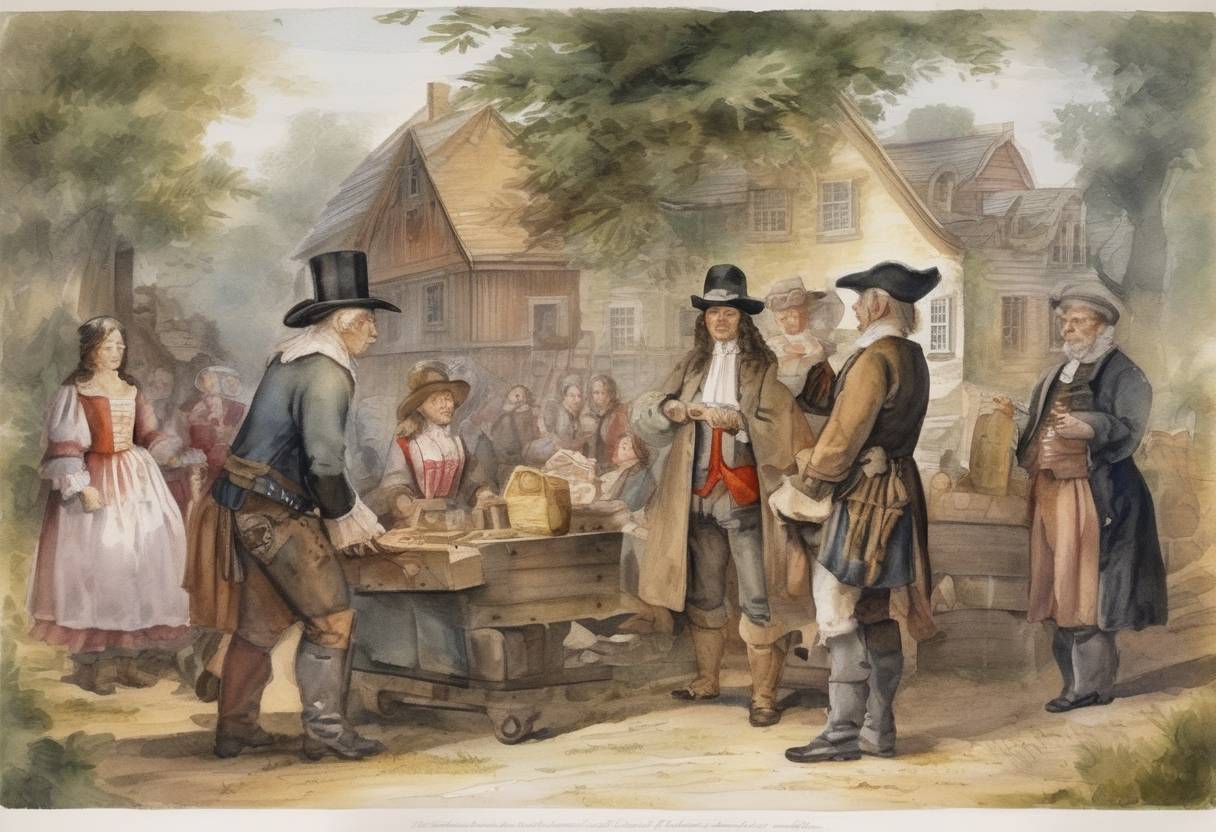
On October 6, 1683, a pivotal moment in American immigration history occurred when the first organized group of German immigrants arrived in what is now Germantown, Pennsylvania. This event marked the beginning of significant German immigration to the United States, a movement that would profoundly influence the cultural and demographic landscape of the nation.
The late 17th century was a period of religious and political upheaval in Europe. Many regions, including parts of what is now Germany, were affected by the Thirty Years’ War and subsequent conflicts, leading to economic hardship and religious persecution. In particular, members of the Mennonite and Quaker communities faced significant challenges due to their beliefs.
William Penn, an English Quaker and the founder of Pennsylvania, offered a solution. He promoted Pennsylvania as a place of religious freedom and economic opportunity, attracting settlers from various parts of Europe. His vision of a “Holy Experiment” was particularly appealing to those seeking refuge from persecution.
The group that arrived on October 6, 1683, was led by Franz Pastorius, a lawyer from Frankfurt. They traveled aboard the ship Concord, often referred to as the “German Mayflower,” and consisted of 13 Quaker and Mennonite families from Krefeld, a city in the Rhineland. These settlers were primarily craftsmen and farmers, seeking a new life in the New World.
Upon arrival, they established Germantown, located just outside of Philadelphia. This settlement became the first permanent German community in America. The settlers quickly set about building homes, cultivating the land, and establishing a community based on mutual aid and cooperation.
The establishment of Germantown was significant for several reasons:
Cultural Influence: The German settlers brought with them their language, customs, and traditions, which contributed to the cultural diversity of the American colonies. Over time, German Americans would become one of the largest ethnic groups in the United States.
Economic Contributions: The skills and industriousness of the German immigrants played a crucial role in the economic development of Pennsylvania. They introduced new farming techniques and crafts, contributing to the prosperity of the region.
Advocacy for Human Rights: Germantown is notable for its early stand against slavery. In 1688, just five years after its founding, the Germantown Quaker Petition Against Slavery was drafted, marking one of the first formal protests against slavery in the American colonies.
The success of the Germantown settlement encouraged further waves of German immigration throughout the 18th and 19th centuries. These immigrants settled in various parts of the United States, significantly influencing American culture, politics, and society.
Today, Germantown is a historic neighborhood in Philadelphia, and the legacy of those first settlers is remembered as a testament to the enduring impact of German immigrants on the fabric of American life. The arrival of the Concord and its passengers is celebrated as a foundational moment in the history of immigration to the United States.
Source: en.wikipedia.org