2001 · Washington, D.C., United States
The United States and Poland sign a missile defense cooperation agreement in Washington, D.C., aimed at enhancing their mutual defense capabilities through the deployment of missile systems.
December 22, 2010
The repeal of 'Don't Ask, Don't Tell,' the policy barring openly gay, lesbian, and bisexual people from military service, was signed into law by President Barack Obama.
Washington, D.C., United States | United States government
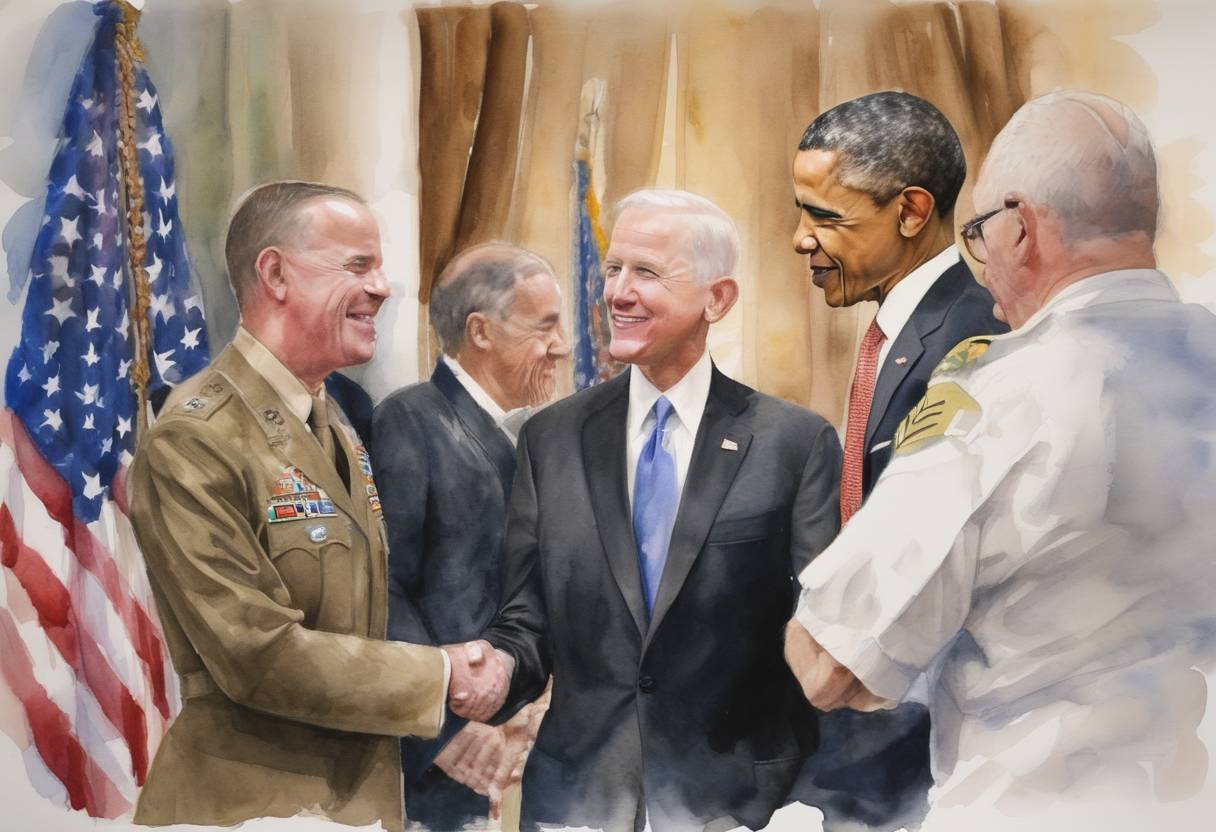
On December 22, 2010, President Barack Obama signed into law the repeal of the “Don’t Ask, Don’t Tell” (DADT) policy, marking the end of a regulation that had prohibited openly gay, lesbian, and bisexual individuals from serving in the United States military. This landmark event was a significant milestone in the fight for LGBTQ+ rights in the United States.
The “Don’t Ask, Don’t Tell” policy was enacted in 1993 during the presidency of Bill Clinton. It was originally intended as a compromise measure that would allow gay, lesbian, and bisexual military personnel to serve as long as they kept their sexual orientation private and refrained from activities that would reveal it. However, it also meant that they could be discharged if they were discovered to be openly gay or engaged in homosexual conduct, leading to the dismissal of approximately 13,650 service members under the policy.
The movement to repeal “Don’t Ask, Don’t Tell” gained momentum in the late 2000s. Advocacy groups, service member testimonies, and changing public attitudes helped in building support for its repeal. In May 2010, the House of Representatives approved a defense spending amendment that called for the repeal, contingent on a Pentagon study. Later that year, the Senate faced multiple votes on the issue, finally passing the repeal legislation on December 18, 2010.
President Obama signed the repeal bill at the Department of the Interior in Washington, D.C., surrounded by activists, politicians, and military personnel who had long advocated for the change. Obama stated that the repeal would enhance national security and military readiness, allowing more Americans to offer their service without fear of expulsion based on their sexual orientation.
The law stipulated that the repeal would not take immediate effect but required a certification from the President, the Secretary of Defense, and the Chairman of the Joint Chiefs of Staff that the military was prepared for the change. After careful planning and training within the armed forces, the repeal was certified on July 22, 2011, and officially took effect on September 20, 2011.
The repeal of “Don’t Ask, Don’t Tell” has been widely celebrated as a step toward equality and respect for LGBTQ+ individuals, allowing them to serve openly and with dignity in the U.S. military. The decision is often viewed as a pivotal moment in the broader movement for civil rights and equality in the United States.
Source: www.whitehouse.gov