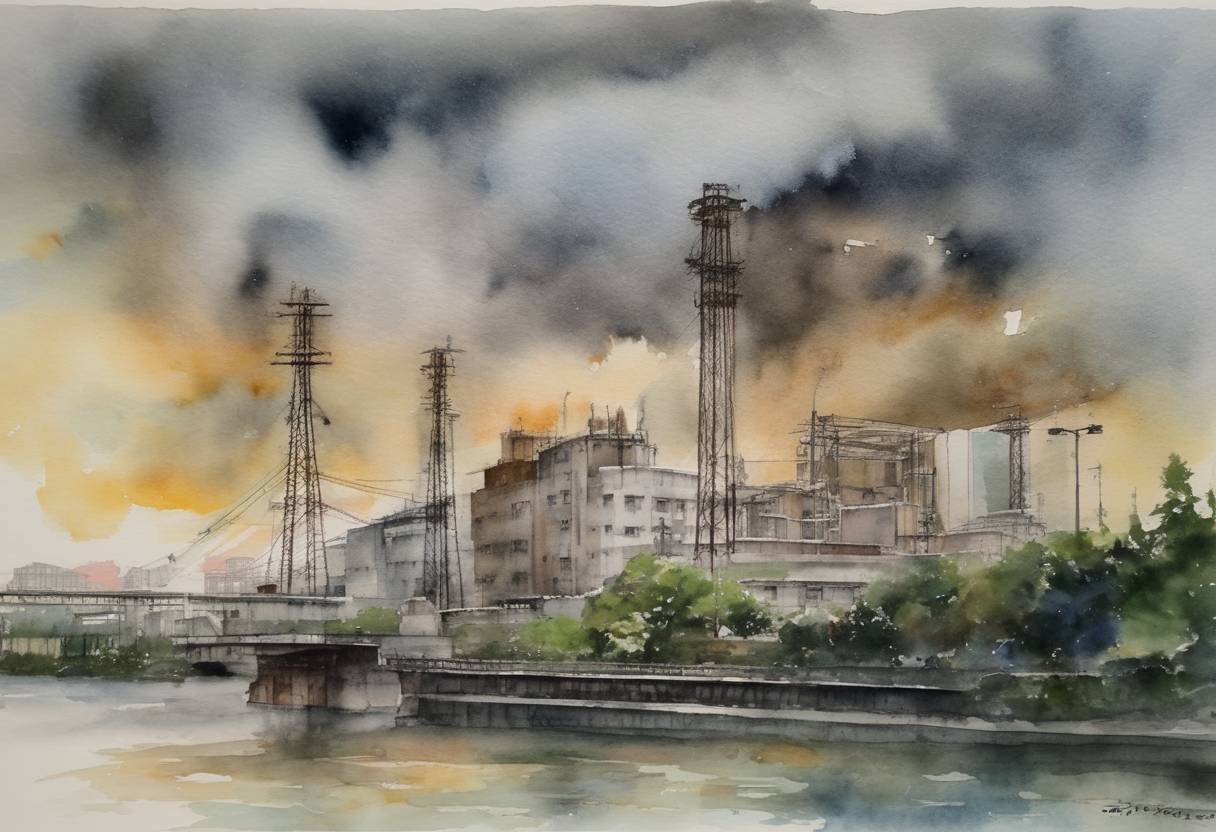
The Acquittal of TEPCO Executives on May 26, 2021
On May 26, 2021, the Tokyo High Court overturned the convictions of three former executives of the Tokyo Electric Power Company (TEPCO), which were related to their roles in the 2011 Fukushima Daiichi nuclear disaster. This decision reversed a previous ruling that had found them guilty of professional negligence resulting in the deaths of 44 people.
Background to the Case
- Fukushima Daiichi Nuclear Disaster (March 11, 2011): A massive earthquake followed by a tsunami struck the northeastern coast of Japan, leading to a catastrophic failure at the TEPCO-operated Fukushima Daiichi Nuclear Power Plant.
- Impact of the Disaster: The natural disaster resulted in significant radioactive contamination, the evacuation of thousands of residents, and an ongoing cleanup effort that would stretch across years.
- Initial Legal Actions: Following public outcry over the handling of the disaster, three former top executives at TEPCO were accused of failing to anticipate the tsunami despite being warned of potential risks, leading to the meltdown at the nuclear facility.
Details of the High Court Acquittal
- The Defendants: The acquitted were former TEPCO chairman Tsunehisa Katsumata, and former vice presidents Sakae Muto and Ichiro Takekuro.
- Previous Conviction: In 2019, a lower court had found the trio guilty, primarily arguing that the executives had the ability to prevent the disaster but failed to take appropriate action.
- Court’s Rationale for Acquittal: The Tokyo High Court ruled there was not sufficient evidence to show that the executives could have realistically prevented the tragedy given the unforeseen scale of the natural disaster.
Broader Significance
- Legal and Regulatory Implications: The acquittal highlighted the challenges of attributing criminal liability for natural disasters compounded by human errors or oversights.
- Public Reaction: The decision was met with mixed reactions in Japan, with some expressing frustration over the lack of accountability, while others viewed the acquittal as an acknowledgment of the limits of foresight in unprecedented natural calamities.
- Impact on Nuclear Policy: The case remains a pivotal point in discussions about nuclear safety, regulatory oversight, and corporate responsibility in Japan’s energy sector.
Aftermath and Current Context
- Nuclear Energy in Japan: Following the disaster, public and governmental sentiment decisively pivoted towards stricter safety regulations and a reevaluation of Japan’s dependence on nuclear power, leading to the shutdown and eventual decommissioning of several nuclear reactors.
- Ongoing Litigation and Challenges: Numerous lawsuits continue regarding compensation and responsibility for the disaster, and comprehensive efforts are underway to safely decommission and decontaminate the Fukushima site.
The acquittal underscored ongoing tensions in balancing industrial accountability with the unpredictable nature of natural disasters, continuing to influence both legal and energy policy debates in Japan and worldwide.