Fidel Castro Temporarily Hands Over Power to Raúl Castro
2006 · Havana, Cuba
Fidel Castro temporarily hands over power to his brother Raúl Castro due to health issues.
May 1, 1961
Fidel Castro declared Cuba as a socialist nation and formally abolished elections, marking a definitive shift in the Caribbean country’s political alignment and intensifying its isolation from the United States.
Havana, Cuba | Cuban Government
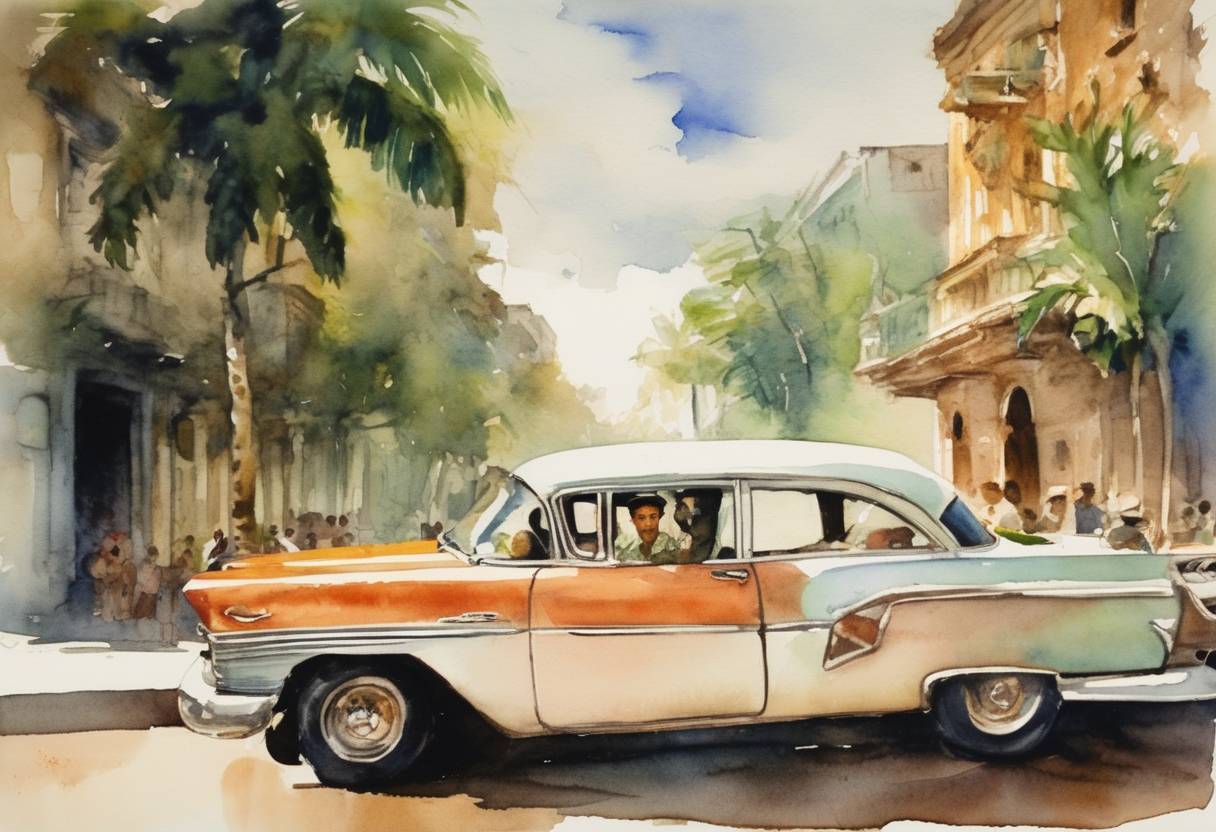
On May 1, 1961, Fidel Castro officially declared that Cuba had become a socialist nation, a pivotal moment that solidified the island’s political trajectory and strained its relations with the United States. This announcement aligned with the broader context of the Cold War, during which Cuba’s shift underscored the global ideological confrontation between capitalism and communism.
Fidel Castro had come to power in Cuba after leading a successful revolution against the dictatorship of Fulgencio Batista, culminating on January 1, 1959. Initially, Castro’s government was not overtly communist. However, various factors, including U.S. hostility, economic sanctions, and the search for allies, drove Castro closer to the Soviet Union.
Tensions between Cuba and the United States escalated with events like the Bay of Pigs Invasion in April 1961, a failed military invasion by Cuban exiles backed by the U.S. This botched attempt to overthrow Castro’s regime significantly impacted Cuba’s political and public stance towards the U.S. and pushed Castro further towards a Soviet-style governance model.
On International Workers’ Day, May 1, 1961, Castro used the occasion to declare that Cuba was now a socialist state. This declaration included the formal abolition of previously held democratic elections, marking a transition to a one-party system under the Communist Party of Cuba as the sole legal political entity.
Cold War Dynamics: The declaration intensified the Cold War dynamics in the hemisphere, placing Cuba firmly in the Soviet camp and establishing it as a focal point of East-West tensions in the Americas.
U.S.-Cuba Relations: This shift further aggravated the United States, which had already severed diplomatic ties with Cuba in January 1961. Consequently, economic embargoes and political isolation were intensified, lasting decades and profoundly affecting Cuba’s economy and international posture.
Domestic Impact: Domestically, the socialist declaration solidified the Revolutionary Government’s control, leading to significant land reforms, nationalizations of industry, and restructuring of the education and health sectors, aligning them with socialist principles.
Cuba’s declaration as a socialist state marked a defining point in its history, establishing the framework for its future political and economic policies. The ramifications of this shift were far-reaching, significantly influencing international affairs and shaping the narrative of U.S.-Latin American relations during the Cold War.
Source: www.britannica.com