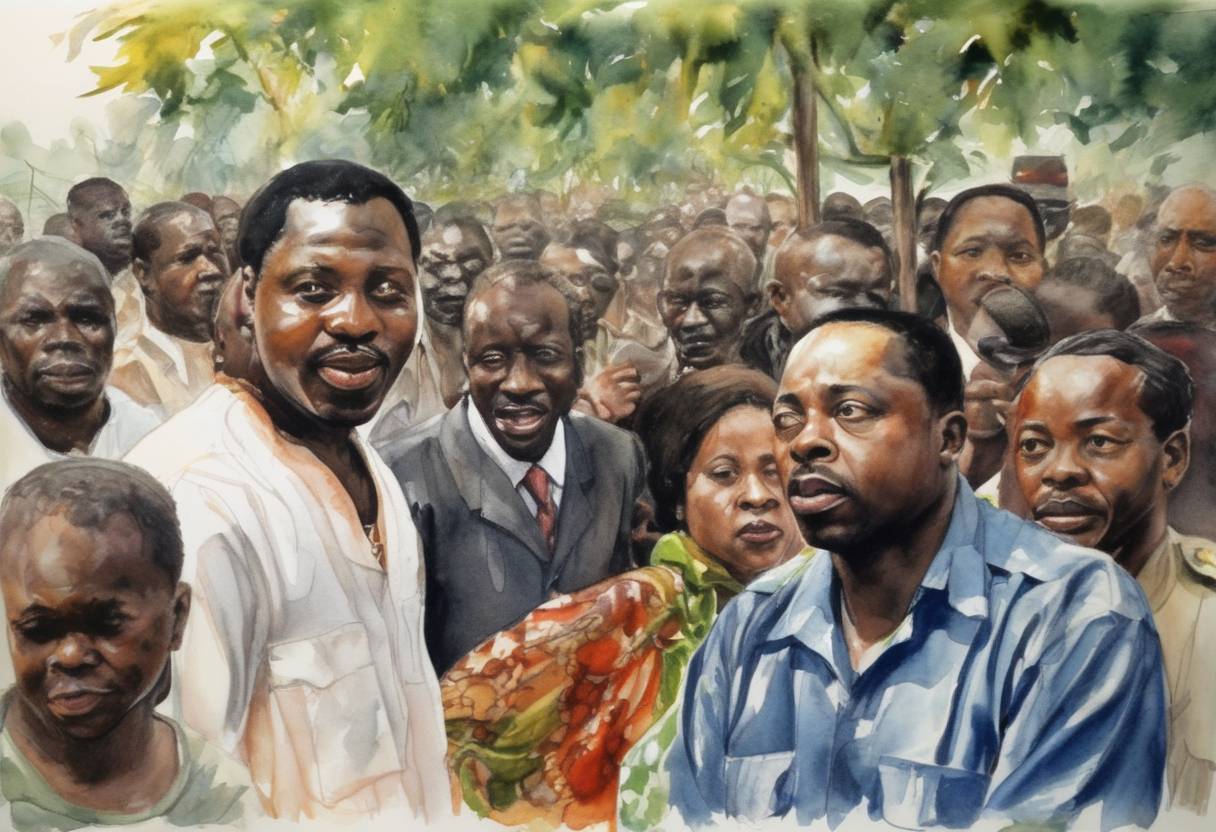
Execution of Ken Saro-Wiwa and the Ogoni Nine
On November 10, 1995, Nigerian environmental and human rights activist Ken Saro-Wiwa, along with eight other activists known collectively as the Ogoni Nine, were executed by the military government under General Sani Abacha. These events unfolded in a heavily militarized Nigeria, amidst intense international scrutiny and condemnation.
Background
Ken Saro-Wiwa was a prominent writer and outspoken critic of the environmental devastation caused by the oil industry in the Ogoni region of Nigeria’s Niger Delta. The Ogoni people suffered from severe pollution affecting their land, water, and health due to extensive oil extraction activities by multinational corporations such as Shell. In response, Saro-Wiwa co-founded the Movement for the Survival of the Ogoni People (MOSOP) in 1990, advocating for environmental justice and the rights of the Ogoni people.
The Arrest and Trial
Saro-Wiwa, along with his colleagues, was arrested in 1994 and charged with inciting murder related to the deaths of four Ogoni leaders. Their trial, conducted by a special tribunal established by the Nigerian military government, was widely criticized for lacking due process. The defendants were denied the right to appeal, and their legal counsel raised concerns over potential witness tampering and bias.
International Reaction
The execution of Saro-Wiwa and the Ogoni Nine on November 10, 1995, by hanging, triggered a wave of international outcry. Global leaders, human rights organizations, and environmental groups condemned the actions of the Nigerian government, which led to Nigeria’s suspension from the Commonwealth of Nations and intensified calls for sanctions.
Aftermath and Significance
The legacy of Ken Saro-Wiwa and the Ogoni Nine remains profound. Their struggle highlighted the intersection of human rights, environmental justice, and corporate accountability. The incident brought international attention to the plight of the Ogoni people and the ethical responsibilities of oil companies operating in foreign countries. In subsequent years, efforts to hold oil companies accountable, such as legal actions against Shell, have continued to resonate globally.
The executions galvanized international support for human rights and environmental protection, serving as a vital reminder of the enduring impact of activism against environmental injustice.