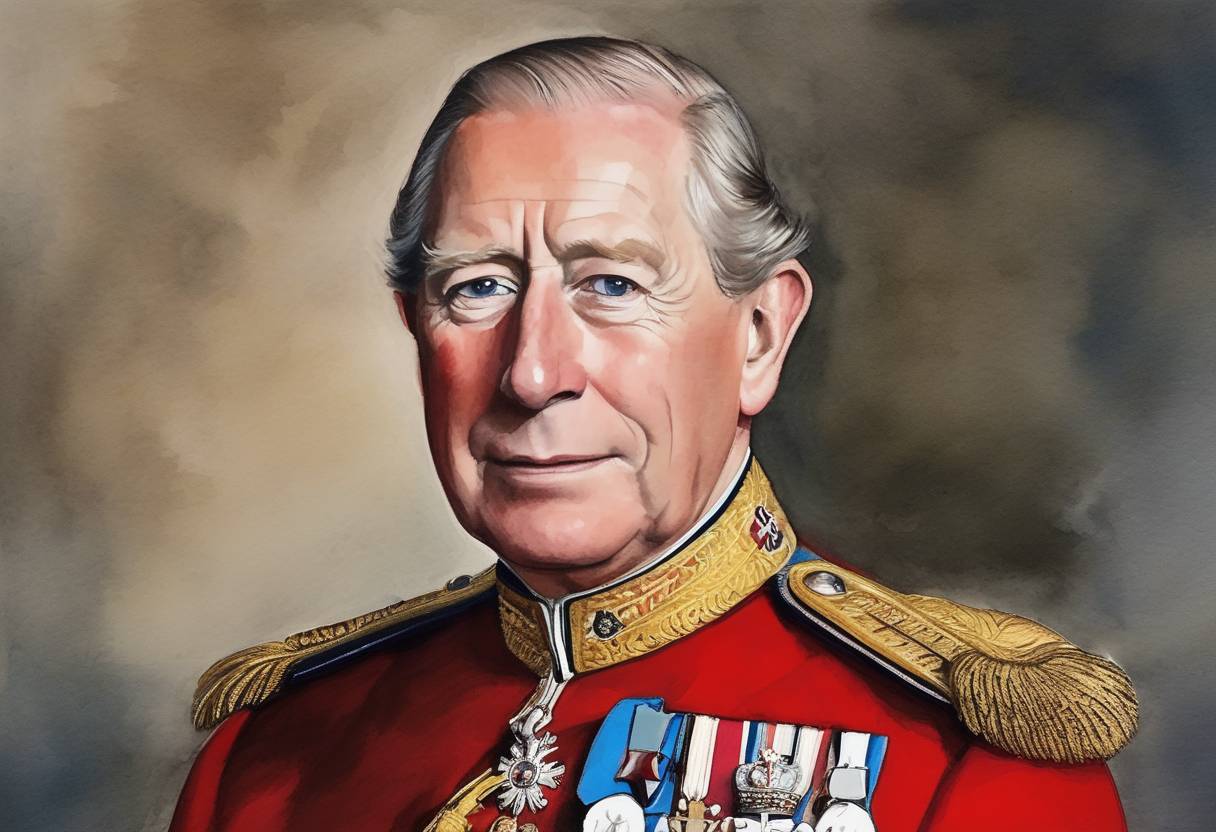
Declaration of Charles III as King
On September 9, 2022, Charles III was formally declared king by the Accession Council following the death of his mother, Queen Elizabeth II, marking the beginning of his reign. This historic event took place at St. James’s Palace in London, a traditional venue for royal proclamations in the United Kingdom.
Context
Queen Elizabeth II, who had ascended to the throne in 1952, passed away on September 8, 2022. Her son, Charles, had been the longest-serving heir apparent, having been the Prince of Wales since 1958. With her passing, Charles immediately became king, though the formal proclamation by the Accession Council traditionally occurs promptly to officially affirm a new monarch’s accession.
The Accession Council
The Accession Council is a ceremonial body that convenes upon the death of a British monarch to formally proclaim the successor. It comprises members of the Privy Council, senior politicians, clergy, and other significant public figures. During the ceremony, the council assembles, and the Clerk of the Council reads the Accession Declaration, after which the attendees sign the proclamation document.
Proclamation Details
During the ceremony, Charles III took the Oath whereby he pledged to follow the constitutional mandates and uphold the Church of Scotland. The proclamation was followed by a public reading at St. James’s Palace, which included the traditional call of “God Save the King,” marking a transition from the prior anthem of “God Save the Queen.”
Significance
This event marked a significant transition in British history, not only because of the change in monarchs but due to its position following the longest reign in British history. The declaration initiated a period of national mourning for the late queen and laid the groundwork for the coronation of Charles III. It underscored the continuity and tradition of the British monarchy, exemplifying the protocol and ceremonial practices that have evolved over centuries.
Aftermath
Following the Accession Council’s formalities, Charles III embarked on a series of engagements to solidify his role and connect with the Commonwealth realms. Plans for his coronation, which would later be held in May 2023, were also initiated, promising a future moment of royal pageantry and tradition.
This declaration and subsequent events marked the beginning of a new chapter in British history, characterized by both a look forward to King Charles III’s reign and a reflection on Queen Elizabeth II’s remarkable legacy.