Abdication of Queen Juliana and Ascension of Queen Beatrix
1980 · Amsterdam, Netherlands
Queen Juliana of the Netherlands abdicated in favor of her daughter, Beatrix, who became the new Queen of the Netherlands.
April 30, 2013
Queen Beatrix of the Netherlands abdicated the throne, ending her 33-year reign. Her son, Willem-Alexander, became the first king of the Netherlands in over a century.
Amsterdam, Netherlands | Dutch Royal Family
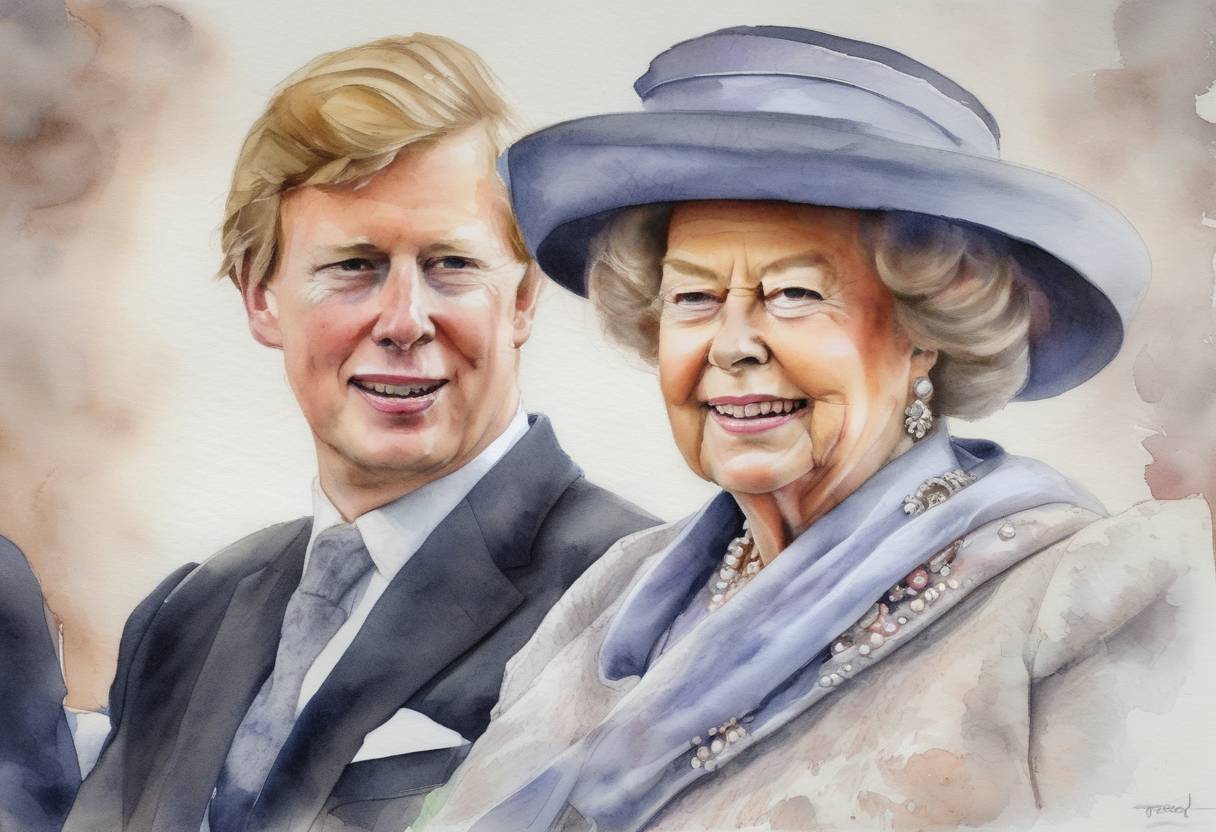
On April 30, 2013, Queen Beatrix of the Netherlands abdicated the throne, marking the end of her 33-year reign. This significant event in Dutch history saw her son, Willem-Alexander, ascend to the throne, becoming the first king of the Netherlands in over a century.
Queen Beatrix was born on January 31, 1938, and became queen on April 30, 1980, following the abdication of her mother, Queen Juliana. Her reign was characterized by modernization and a focus on social issues, as well as maintaining the ceremonial and unifying role of the monarchy in Dutch society.
The abdication ceremony took place at the Royal Palace in Amsterdam. Queen Beatrix signed the official instrument of abdication in the Moses Hall of the palace, in the presence of her family, government officials, and other dignitaries. This act was in keeping with the Dutch royal tradition, as her mother and grandmother had also abdicated in favor of their successors.
Following the abdication, Willem-Alexander was inaugurated as king in a ceremony held at the Nieuwe Kerk in Amsterdam. Born on April 27, 1967, Willem-Alexander became the first male monarch of the Netherlands since King Willem III, who reigned until 1890. His ascension marked a new era for the Dutch monarchy, with a focus on connecting with the younger generation and addressing contemporary issues.
The transition was celebrated with national festivities, reflecting the Dutch tradition of royal abdications being peaceful and joyous occasions. Queen Beatrix’s decision to abdicate was widely respected, as it allowed for a smooth transition and the continuation of the monarchy’s role in Dutch society.
Post-abdication, Beatrix returned to her title of Princess and continued to be involved in various social and cultural activities. King Willem-Alexander, along with Queen Máxima, has since taken on the responsibilities of the monarchy, emphasizing a modern and approachable royal image.
The abdication and subsequent inauguration were pivotal moments in Dutch history, symbolizing continuity and the evolving nature of the monarchy in the Netherlands.
Source: www.bbc.com