Juan Carlos I Becomes King of Spain: November 22, 1975
1975 · Madrid, Spain
Juan Carlos I was declared King of Spain following the death of dictator Francisco Franco, marking the beginning of Spain's transition to democracy.
June 2, 2014
King Juan Carlos I of Spain announced his intention to abdicate the throne in favor of his son, Felipe VI.
Madrid, Spain | Spanish Monarchy
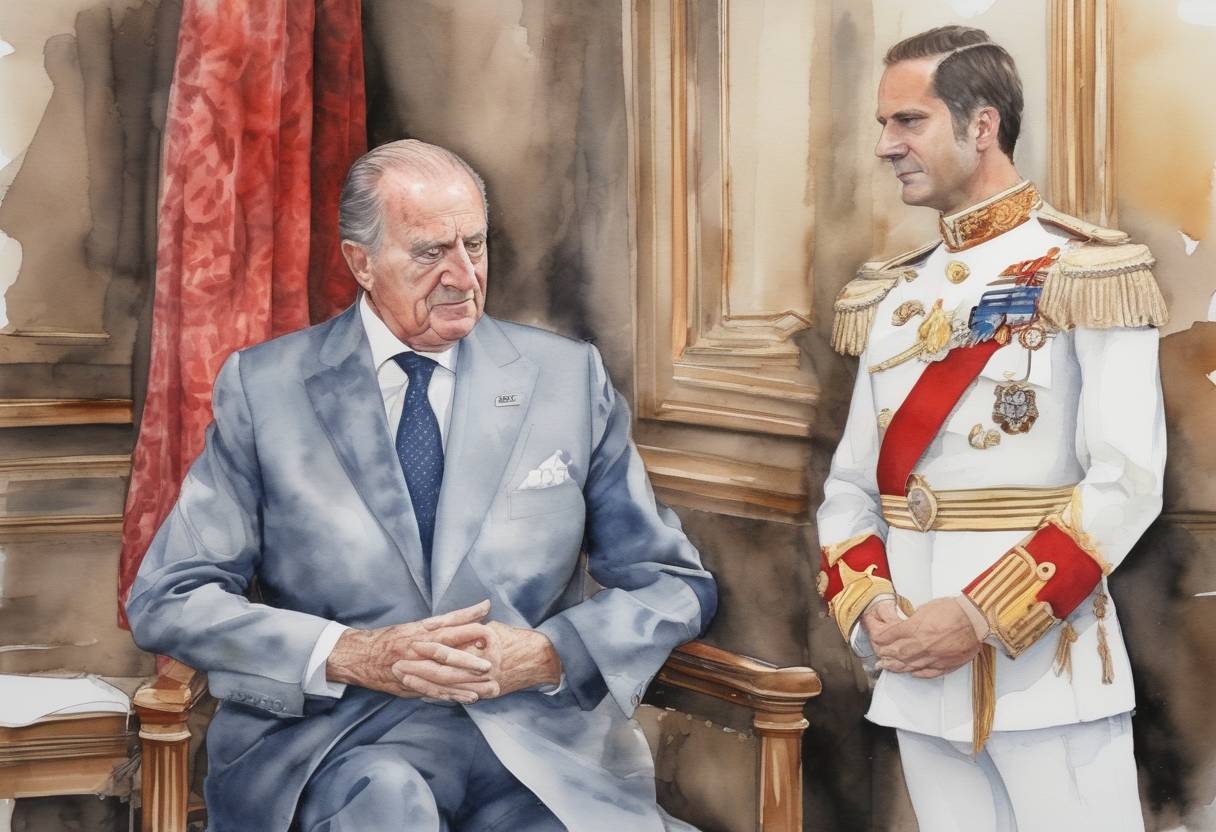
On June 2, 2014, King Juan Carlos I of Spain announced his intention to abdicate the throne in favor of his son, Felipe VI. This marked a significant moment in Spanish history, as it was the first abdication of a Spanish monarch since 1941, when Juan Carlos’s grandfather, King Alfonso XIII, renounced his rights to the throne.
King Juan Carlos I ascended to the Spanish throne in 1975, following the death of the dictator Francisco Franco. His reign was pivotal in transitioning Spain from a dictatorship to a constitutional monarchy and a democratic state. Juan Carlos played a crucial role in the establishment of a parliamentary democracy, particularly during the attempted coup d’état on February 23, 1981, when he famously appeared on television to denounce the coup plotters and affirm his support for the democratic government.
Several factors contributed to Juan Carlos’s decision to abdicate:
Health Issues: In the years leading up to his abdication, Juan Carlos faced numerous health problems, including several surgeries, which affected his ability to fulfill his royal duties.
Scandals and Public Opinion: The latter years of his reign were marred by scandals, including a controversial elephant hunting trip to Botswana during Spain’s financial crisis and allegations of financial impropriety involving members of the royal family. These incidents led to a decline in his popularity and increased calls for his abdication.
Desire for Renewal: Juan Carlos expressed a desire for a generational renewal in the monarchy, believing that his son, Felipe, was well-prepared to take on the responsibilities of the crown and to continue the modernization of the monarchy.
Following the announcement, the Spanish government quickly moved to facilitate the abdication process. The Spanish Parliament passed an organic law to formalize the abdication, as required by the Spanish Constitution. On June 18, 2014, King Juan Carlos signed the abdication law in a ceremony at the Royal Palace in Madrid, and the following day, Felipe VI was proclaimed king.
King Felipe VI’s ascension to the throne was seen as an opportunity to restore the image of the Spanish monarchy. Felipe, known for his modern and approachable style, focused on rebuilding public trust and addressing contemporary issues facing Spain, including economic challenges and regional tensions, particularly with Catalonia.
Juan Carlos’s abdication and Felipe’s subsequent reign have been pivotal in maintaining the stability and continuity of the Spanish monarchy in the 21st century. The transition highlighted the adaptability of the Spanish constitutional framework and the monarchy’s role in a modern democratic society.
Source: www.bbc.com