Abduction of Assyrian Christians by ISIL on February 25, 2015
2015 · Al-Hasakah, Syria
The Islamic State of Iraq and the Levant (ISIL) abducts at least 220 Assyrian Christians from villages in northeastern Syria.
August 29, 2015
The Temple of Bel, a significant cultural heritage site in Palmyra, Syria, was destroyed by the Islamic State of Iraq and the Levant (ISIL), highlighting the group's systematic destruction of cultural heritage sites.
Palmyra, Syria | Islamic State of Iraq and the Levant
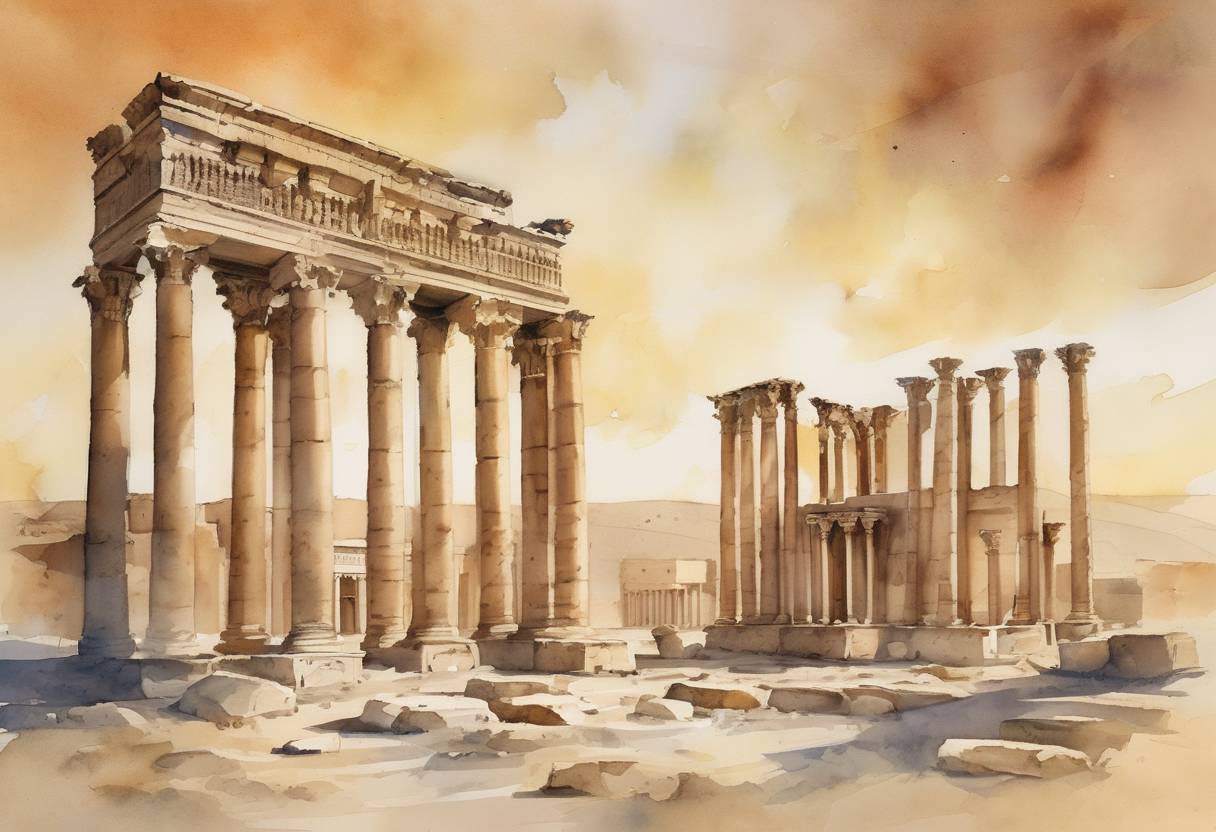
On August 29, 2015, the Temple of Bel, a significant cultural heritage site located in Palmyra, Syria, was destroyed by the Islamic State of Iraq and the Levant (ISIL). This event marked a tragic moment in the systematic destruction of cultural heritage sites by ISIL, drawing international condemnation and highlighting the group’s disregard for historical and cultural preservation.
Palmyra: An ancient city located in present-day Syria, Palmyra was a vital cultural and trading hub in the Roman Empire. Known for its unique blend of Greco-Roman and Persian influences, the city was designated a UNESCO World Heritage Site in 1980.
Temple of Bel: Constructed in 32 AD, the Temple of Bel was dedicated to the Mesopotamian god Bel, equivalent to the Greek god Zeus and the Roman god Jupiter. It was one of the best-preserved structures in Palmyra and a testament to the architectural and cultural syncretism of the region.
ISIL’s Occupation of Palmyra: In May 2015, ISIL seized control of Palmyra, raising concerns about the safety of its ancient ruins. The group had previously targeted other historical sites in Iraq and Syria, destroying artifacts and monuments they deemed idolatrous.
Systematic Destruction: ISIL’s campaign against cultural heritage was part of a broader strategy to erase pre-Islamic history and assert their ideological dominance. The destruction of the Temple of Bel followed the demolition of other significant sites in Palmyra, including the Temple of Baalshamin and several funerary towers.
Method: On August 29, 2015, ISIL militants used explosives to demolish the Temple of Bel. Satellite imagery confirmed the destruction, showing that the central part of the temple had been reduced to rubble, with only a few columns and the entrance arch remaining.
Impact: The loss of the Temple of Bel was a significant blow to global cultural heritage. It underscored the vulnerability of historical sites in conflict zones and the challenges faced by the international community in protecting such sites.
International Response: The destruction was widely condemned by governments, cultural organizations, and scholars worldwide. UNESCO described the act as a “war crime” and a “cultural cleansing.”
Preservation Efforts: In the aftermath, efforts have been made to document and preserve what remains of Palmyra’s heritage. Digital reconstruction projects and increased international cooperation aim to safeguard other endangered sites.
Broader Implications: The destruction of the Temple of Bel highlighted the broader issue of cultural heritage preservation in conflict zones. It sparked discussions on the role of international bodies in protecting cultural sites and the need for stronger measures to prevent such losses in the future.
The destruction of the Temple of Bel remains a poignant reminder of the fragility of cultural heritage and the ongoing threats posed by ideological extremism and armed conflict.
Source: whc.unesco.org