December 23, 2003

The first confirmed case of bovine spongiform encephalopathy (BSE), commonly known as mad cow disease, was discovered in the United States, leading to widespread concern and the implementation of stricter regulations on beef imports and exports.


Mabton, United States | United States Department of Agriculture
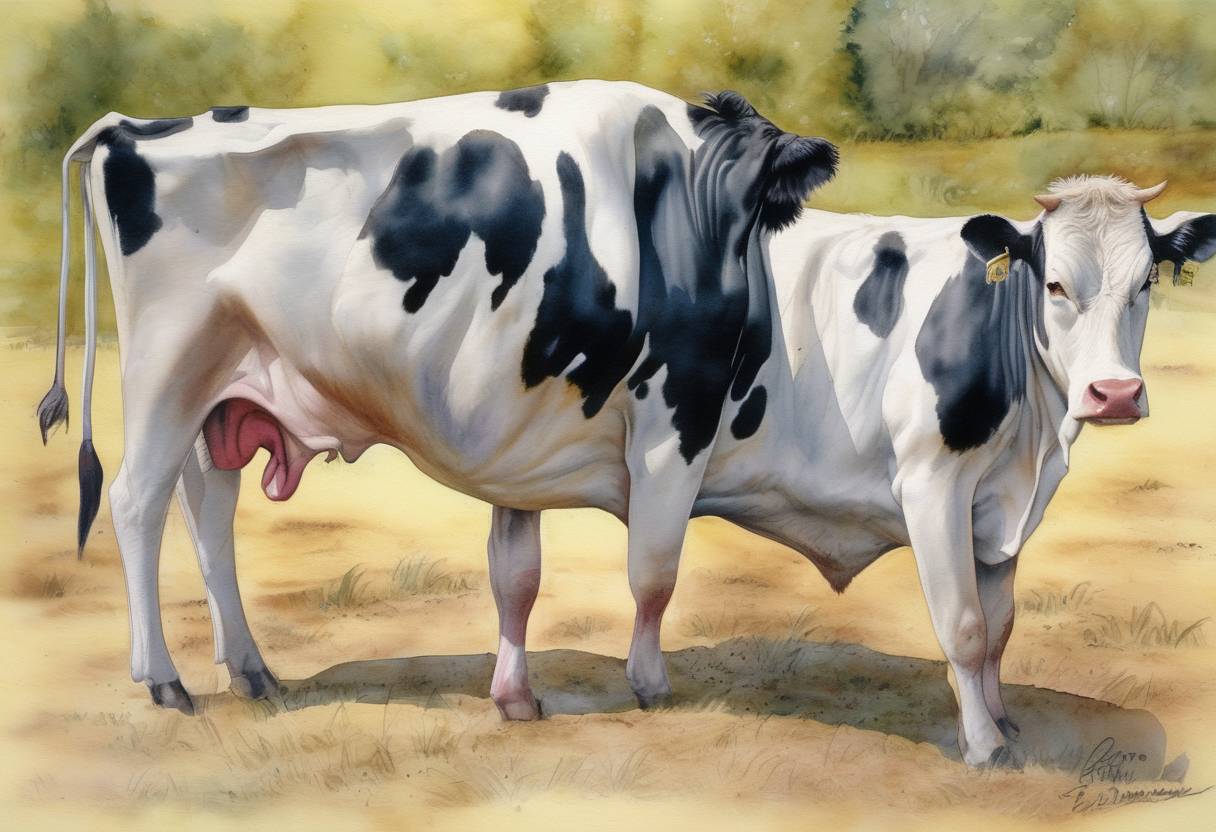
Watercolor painting based depiction of The first confirmed case of bovine spongiform encephalopathy (BSE), commonly known as mad cow disease, was discovered in the United States, leading to widespread concern and the implementation of stricter regulations on beef imports and exports. (2003)

The First Confirmed Case of Bovine Spongiform Encephalopathy in the United States

On December 23, 2003, the United States Department of Agriculture (USDA) announced the first confirmed case of Bovine Spongiform Encephalopathy (BSE), commonly known as mad cow disease, in the country. This discovery took place in a Holstein cow from a farm in Washington State and led to significant concern regarding the safety of the beef supply in the U.S. and internationally.

Background

Bovine Spongiform Encephalopathy is a neurodegenerative disease that affects cattle. It is caused by prions, which are misfolded proteins that can induce abnormal folding of specific normal proteins in the brain. BSE gained global attention in the 1980s and 1990s when outbreaks in the United Kingdom led to the slaughter of millions of cattle and were linked to a variant of Creutzfeldt-Jakob disease (vCJD) in humans, a rare and fatal brain disorder.

Key Events Leading to the Discovery

  • Importation of Cattle: The infected cow was traced back to Canada, where it was born. This raised concerns about the cross-border movement of cattle and the potential spread of BSE.
  • Testing and Confirmation: The USDA conducted tests on the cow after it was identified as a downer cow, meaning it was unable to walk. Initial rapid tests indicated the presence of BSE, which was later confirmed by further testing in the United Kingdom.

Immediate Consequences

  • Regulatory Response: In response to the discovery, the USDA implemented several measures to prevent the spread of BSE. These included banning the use of downer cattle in the human food supply, enhancing surveillance and testing, and prohibiting certain animal parts from being used in feed for cattle and other ruminants.
  • Impact on Trade: The announcement led to immediate international reactions, with over 50 countries, including major importers like Japan and South Korea, imposing bans on U.S. beef imports. This had a significant economic impact on the U.S. beef industry.

Broader Historical Significance

  • Food Safety and Public Health: The case underscored the importance of stringent food safety regulations and monitoring systems to protect public health. It prompted the U.S. to adopt more rigorous standards and practices in the beef industry.
  • International Trade Relations: The incident highlighted the interconnected nature of global food supply chains and the need for international cooperation in managing food safety risks.
  • Consumer Confidence: The discovery of BSE in the U.S. affected consumer confidence in beef products, leading to increased demand for transparency and safety assurances from producers and regulators.

In the years following the 2003 case, the U.S. has continued to enhance its BSE surveillance and prevention measures, contributing to the overall decline in BSE cases worldwide. The incident remains a pivotal moment in the history of food safety and international trade.

Source: www.cdc.gov