The Unveiling of the Sistine Chapel Ceiling
1512 · Vatican City, Vatican City
The ceiling of the Sistine Chapel, painted by Michelangelo, is exhibited to the public for the first time.
August 5, 1483
Pope Sixtus IV consecrated the Sistine Chapel, the chapel of the Apostolic Palace in Vatican City.
Vatican City, Vatican City | Catholic Church
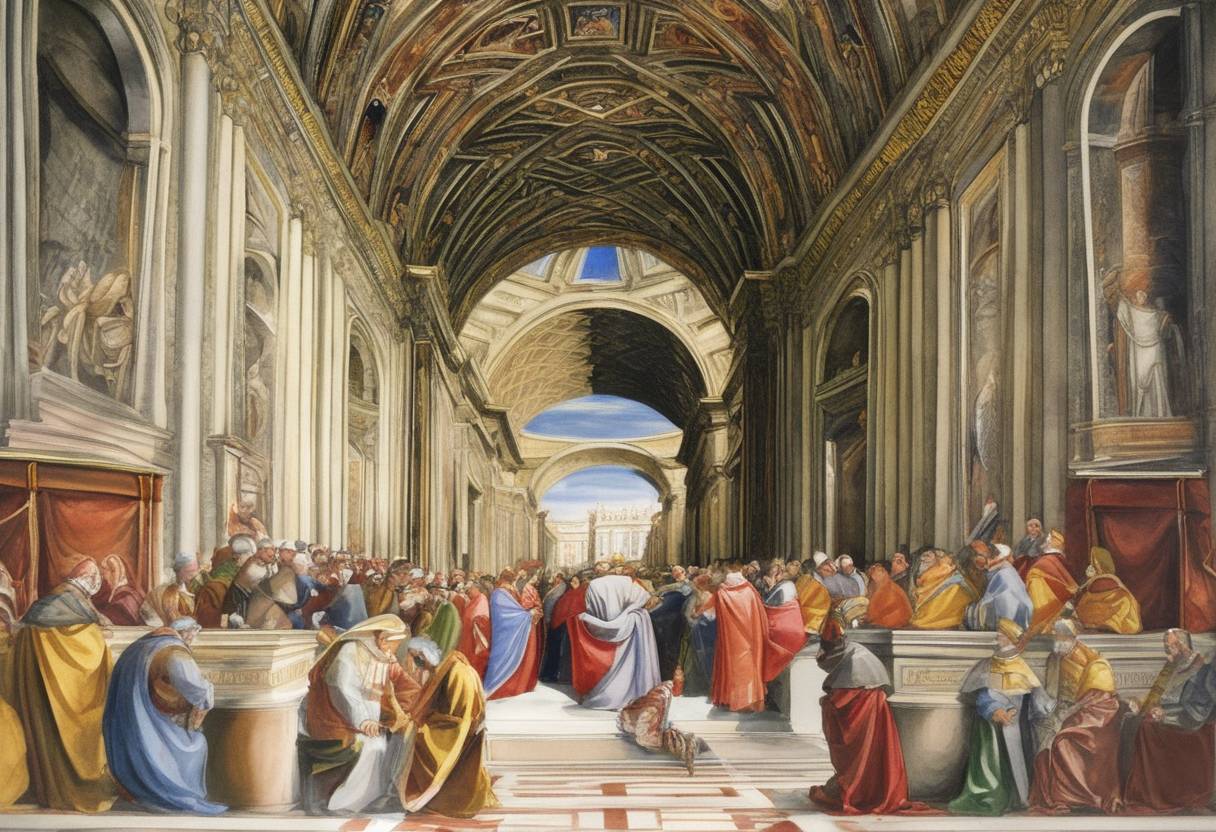
The Sistine Chapel, located within the Apostolic Palace in Vatican City, was commissioned by Pope Sixtus IV. The chapel was named after him—the Latinized name of “Sixtus” being “Sistine.” It was built primarily to serve as both a religious and functional space for the activities of the papacy, including the Papal Conclave, the process by which new popes are elected.
Construction of the chapel began in 1473 under the direction of the architect Baccio Pontelli and the construction supervisor Giovanni de Dolci. It was strategically designed to echo the dimensions of Solomon’s Temple as described in the Old Testament.
Initially decorated by a team of renowned artists of the time, including Pietro Perugino, Sandro Botticelli, Domenico Ghirlandaio, and others, the chapel’s frescoes depicted scenes from the life of Moses and Christ, alongside portraits of the popes.
On August 15, 1483, the Feast of the Assumption of the Virgin Mary, Pope Sixtus IV officially consecrated the Sistine Chapel. This ceremony marked the formal dedication of the chapel for liturgical use and was celebrated with a special Mass. The consecration event also demonstrated the chapel’s immediate religious importance to the Catholic Church and its role within the papal court.
The Sistine Chapel quickly became central to religious and cultural activities at the Vatican. It gained additional renown when Michelangelo later painted its ceiling (1508-1512) and The Last Judgment (1536-1541) on the altar wall, both commissioned by later popes. These artistic contributions solidified the chapel’s status as a pivotal masterpiece of Renaissance art and attracted considerable attention for its theological and iconographic depth.
The consecration of the Sistine Chapel by Pope Sixtus IV on August 15, 1483, marked the establishment of a central location for religious ceremonies and papal functions in the Vatican. Its subsequent embellishments further enhanced its status as an iconic symbol of Renaissance art and Catholic heritage.
Source: en.wikipedia.org