The First Public Demonstration of the Telegraph: January 11, 1838
1838 · Morristown, United States
The first public demonstration of the telegraph, developed by Samuel Morse, took place.
January 6, 1930
The first diesel-engine automobile trip is completed, from Indianapolis to New York City.
New York City, United States | None
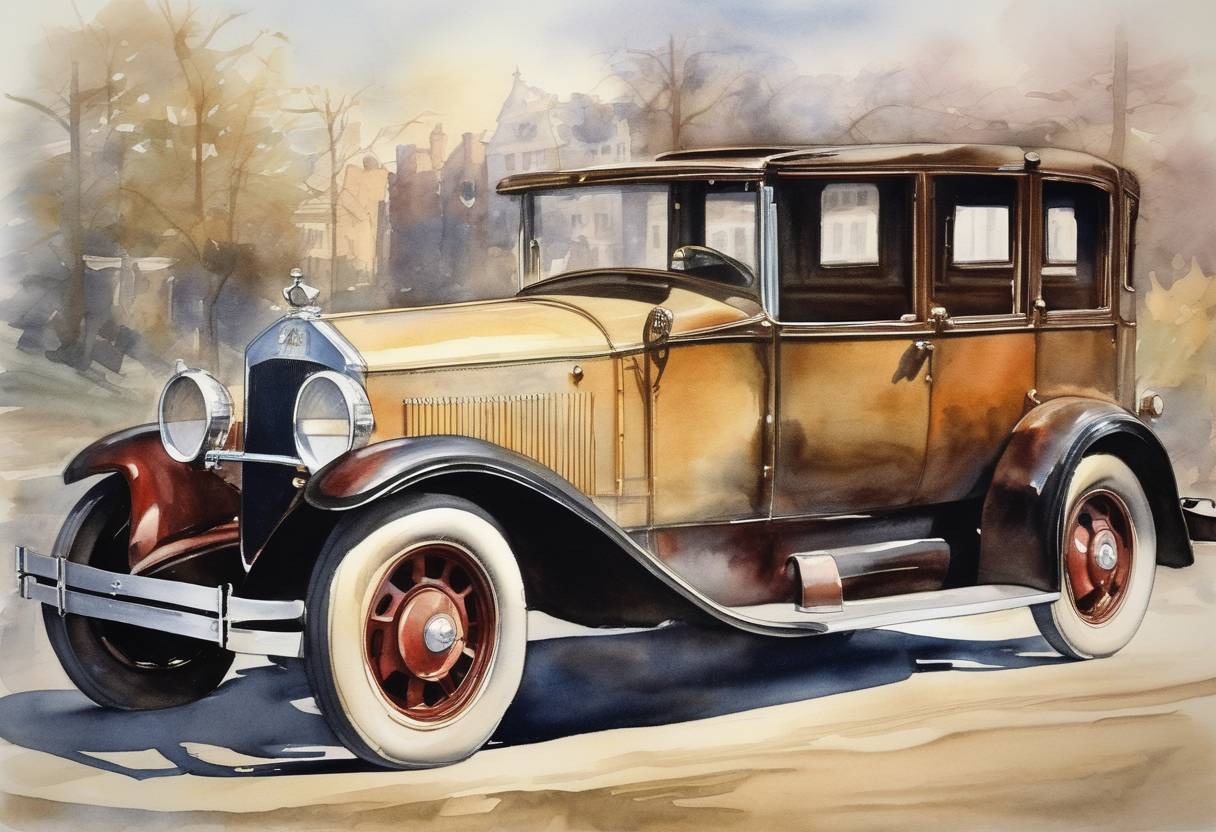
On January 6, 1930, the pioneering journey of the first diesel-engine automobile from Indianapolis to New York City was completed. This historic trip marked a significant milestone in automotive and fuel technology, demonstrating the viability of diesel engines in vehicles, which had traditionally been dominated by gasoline-powered motors.
The diesel engine, invented by Rudolf Diesel in the late 19th century, was known for its efficiency and durability but had largely been restricted to industrial and maritime uses due to its weight and complexity. By the 1920s, innovations in engine design and manufacturing made it feasible to consider diesel engines for lighter vehicles, such as automobiles.
The automobile used for this journey was powered by a diesel engine designed by Clessie Cummins, the founder of Cummins Engine Company. This trip was part of a promotional effort by Cummins to showcase the advantages of diesel engines, which included better fuel efficiency and greater torque compared to existing gasoline engines.
The trip began in Indianapolis, Indiana, and covered a distance of approximately 800 miles to New York City. By completing the journey, the Cummins diesel-engine automobile exhibited reliability and efficiency, fueling interest and investment into diesel technology for automotive use.
The successful completion of this trip had several significant outcomes:
Increased Interest in Diesel Engines: The demonstration underscored the potential of diesel engines for automotive use, leading to heightened interest from vehicle manufacturers and consumers alike.
Technological Advancements: The journey spurred further research and development in diesel engine technology, contributing to the evolution of more compact and efficient designs suitable for a wide range of vehicles.
Market Expansion: In the years following the trip, diesel engines gradually became more popular in various sectors, including trucks, buses, and eventually passenger vehicles, particularly where long-distance travel and fuel economy were prioritized.
The completion of the diesel-engine automobile trip on January 6, 1930, stands as a landmark in automotive history, highlighting the pioneering spirit of early 20th-century inventors and engineers. This venture not only demonstrated the practical applications of diesel engines beyond heavy machinery but also catalyzed advancements that would influence automotive design for decades to come.
Source: www.hemmings.com