Removal of Homosexuality from the International Classification of Diseases
1990 · Geneva, Switzerland
The World Health Organization removed homosexuality from the International Classification of Diseases.
November 26, 1990
The World Health Organization removed homosexuality from its list of psychiatric diseases.
Geneva, Switzerland | World Health Organization
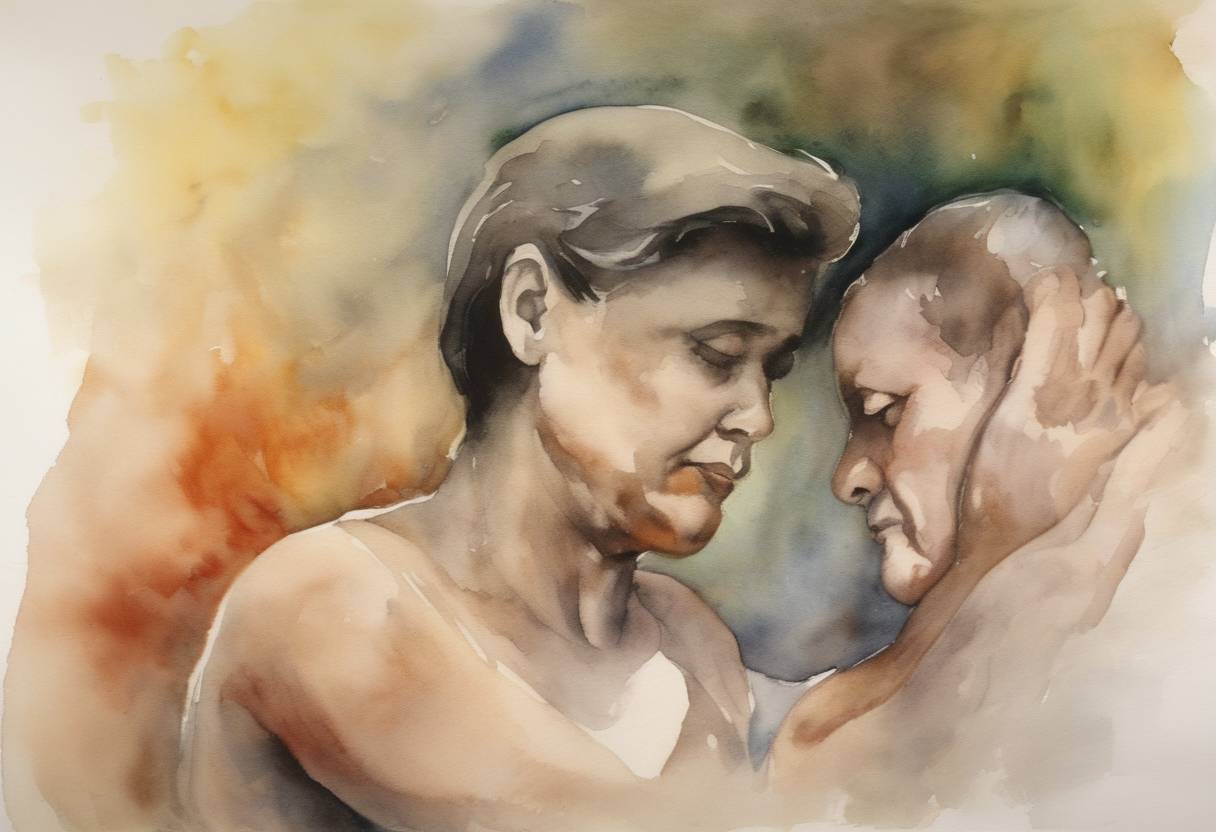
On November 26, 1990, the World Health Organization (WHO) made a historic decision to declassify homosexuality as a mental disorder. This action marked a significant step in the global movement towards recognizing LGBTQ rights and reducing the stigma associated with homosexuality.
The classification of homosexuality as a mental illness has a complex history. In 1948, the American psychiatrist and sexologist Alfred Kinsey’s research challenged contemporary views on sexuality, but it would take further efforts to change official classifications. In 1973, the American Psychiatric Association (APA) declassified homosexuality as a mental disorder from the Diagnostic and Statistical Manual (DSM). This influenced global perspectives, but organizations like the WHO were slower to follow.
WHO’s decision to remove homosexuality from its International Classification of Diseases (ICD) on November 26, 1990, was a result of extensive advocacy from healthcare professionals, LGBTQ rights organizations, and other stakeholders. The change was officially mirrored in the ICD-10, which was published in 1992.
The removal of homosexuality from the list of psychiatric diseases by WHO was crucial in reducing institutionalized discrimination against homosexual individuals. It validated the position that sexual orientation is not a disorder and began to shift public perceptions towards greater acceptance and equality.
While WHO’s decision was pivotal, challenges remained. Discrimination and stigma against LGBTQ individuals persisted in many societies worldwide. The decision contributed to a broader international dialogue about human rights and laid the groundwork for further advancements, including the recognition of same-sex partnerships and marriage in various countries.
As societies continue to evolve, the significance of WHO’s decision remains in its affirmation of the dignity and equality of all individuals, irrespective of their sexual orientation.
Source: en.wikipedia.org