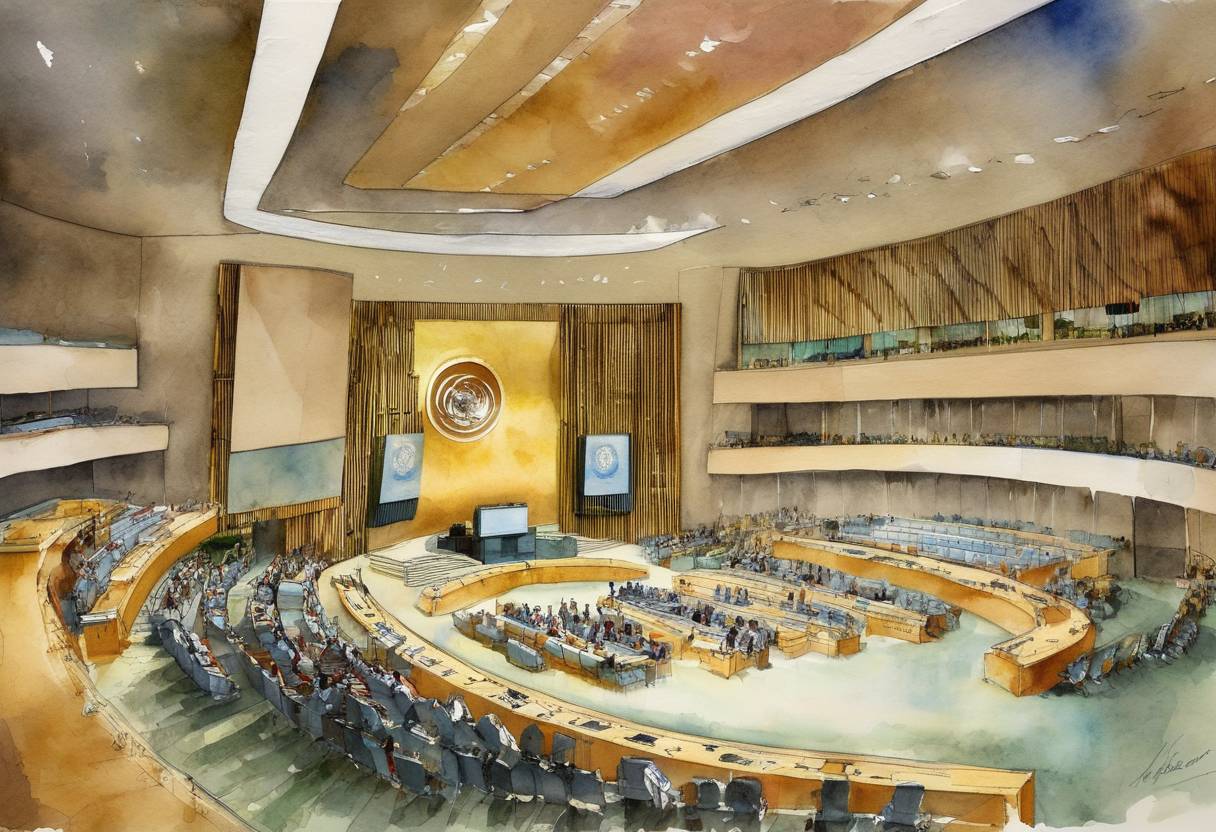
Creation of UN Women: July 2, 2010
On July 2, 2010, the United Nations General Assembly voted unanimously to establish UN Women, formally known as the United Nations Entity for Gender Equality and the Empowerment of Women. This significant decision marked a pivotal moment in the global effort to advance gender equality and empower women worldwide.
Background
Before the creation of UN Women, the United Nations had several entities addressing gender issues, including:
- Division for the Advancement of Women (DAW)
- International Research and Training Institute for the Advancement of Women (INSTRAW)
- Office of the Special Adviser on Gender Issues and Advancement of Women (OSAGI)
- United Nations Development Fund for Women (UNIFEM)
These entities often faced challenges such as limited resources and overlapping mandates, which hindered their effectiveness in addressing gender equality comprehensively.
Establishment of UN Women
The establishment of UN Women was part of a broader UN reform agenda aimed at improving the efficiency and impact of the organization’s work on gender issues. The resolution to create UN Women was adopted by consensus, reflecting the international community’s commitment to strengthening efforts to achieve gender equality.
Objectives of UN Women
UN Women was tasked with several key objectives:
- Support Intergovernmental Bodies: Assist in the formulation of policies, global standards, and norms.
- Help Member States Implement Standards: Provide technical and financial support to countries to implement these standards.
- Hold the UN System Accountable: Ensure that the UN system itself is accountable for its commitments on gender equality.
Significance
The creation of UN Women consolidated the efforts of the four previously separate entities into a single, more powerful organization. This consolidation aimed to enhance coherence and coordination in the UN’s work on gender equality and women’s empowerment.
Leadership
The first Executive Director of UN Women was Michelle Bachelet, the former President of Chile, who brought significant political experience and a strong commitment to gender equality to the role.
Impact and Legacy
Since its inception, UN Women has played a crucial role in advocating for women’s rights and gender equality globally. It has been instrumental in:
- Promoting women’s leadership and participation in political and public life.
- Addressing violence against women and girls.
- Enhancing women’s economic empowerment.
- Supporting the implementation of international agreements such as the Beijing Declaration and Platform for Action and the Convention on the Elimination of All Forms of Discrimination Against Women (CEDAW).
UN Women’s establishment represented a significant step forward in the global movement for gender equality, providing a more unified and effective platform for addressing the challenges faced by women and girls around the world.