Operation Cast Lead: December 27, 2008
2008 · Gaza, Palestine
Israel launched Operation Cast Lead, a military campaign in the Gaza Strip, in response to rocket fire from Hamas.
May 24, 2000
Israel withdraws its forces from southern Lebanon after 22 years of occupation, marking the end of the South Lebanon conflict.
Southern Lebanon, Lebanon | Israel Defense Forces
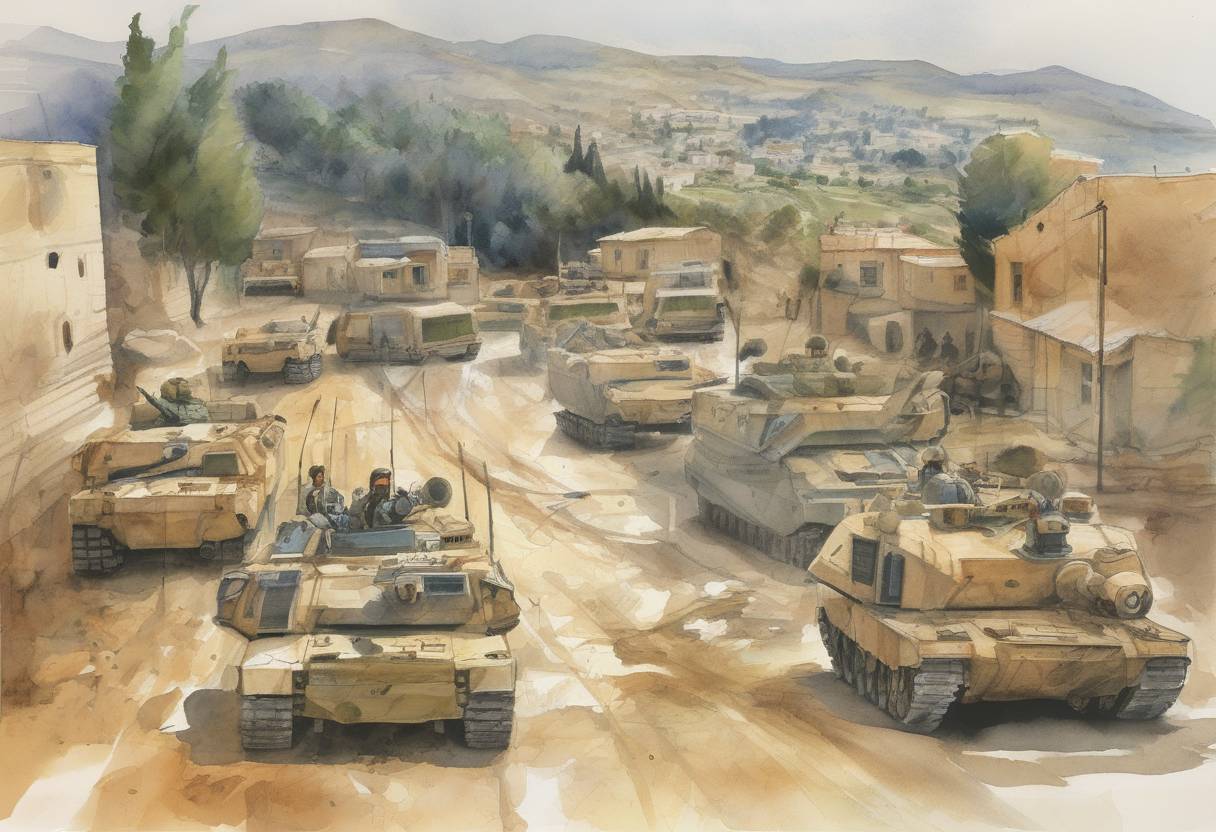
On May 24, 2000, Israel completed its withdrawal from southern Lebanon, ending a 22-year military presence in the region. This marked a significant turning point in the South Lebanon conflict, a protracted and complex struggle involving multiple parties and geopolitical interests.
The roots of Israel’s occupation in southern Lebanon trace back to the Lebanese Civil War (1975-1990) and the rise of Palestinian militant activity in the region. In 1978, Israel launched Operation Litani, its first major incursion into southern Lebanon, aimed at pushing Palestinian Liberation Organization (PLO) forces away from its northern border. This led to the establishment of a United Nations Interim Force in Lebanon (UNIFIL) to oversee the withdrawal of Israeli forces and restore peace.
In 1982, Israel launched a more extensive invasion, known as the Lebanon War, with the goal of expelling the PLO from Lebanon. This resulted in the occupation of a significant portion of southern Lebanon and the establishment of a security zone, which Israel maintained with the support of the South Lebanon Army (SLA), a local militia.
The decision to withdraw was announced by Israeli Prime Minister Ehud Barak, who had campaigned on a promise to bring Israeli troops home. The withdrawal was executed swiftly and unilaterally, without a negotiated agreement with Lebanon or Hezbollah, the Shiite militant group that had emerged as a formidable force in the region.
The withdrawal was completed on May 24, 2000, and was met with celebrations in Lebanon, particularly among Hezbollah supporters, who viewed it as a victory over Israeli forces. The move was also seen as a fulfillment of United Nations Security Council Resolution 425, which called for Israel to withdraw from Lebanese territory.
The withdrawal had several significant consequences:
Hezbollah’s Rise: The withdrawal bolstered Hezbollah’s standing in Lebanon and the broader Arab world, enhancing its reputation as a resistance movement that successfully forced an Israeli retreat.
Israeli Security: For Israel, the withdrawal was intended to enhance security by reducing military casualties and focusing on defending its borders from within its territory.
Lebanese Politics: In Lebanon, the withdrawal shifted the political landscape, with Hezbollah gaining increased influence and legitimacy.
Regional Dynamics: The withdrawal altered the dynamics of the Israeli-Lebanese border, leading to periodic skirmishes and tensions, particularly in the Shebaa Farms area, which remains a point of contention.
Overall, the withdrawal from southern Lebanon was a pivotal moment in Middle Eastern history, reflecting the complexities of regional conflicts and the challenges of achieving lasting peace and security.
Source: en.wikipedia.org