End of Support for Windows XP - April 8, 2014
2014 · Redmond, United States
Microsoft ended support for Windows XP, a widely used operating system, prompting concerns about security vulnerabilities for users who did not upgrade.
October 25, 2001
Microsoft releases Windows XP, a major operating system that would become one of the most popular versions of Windows.
Redmond, United States | Microsoft
On October 25, 2001, Microsoft Corporation released Windows XP, marking a significant milestone in the evolution of personal computing. This operating system became one of the most popular and enduring versions of Windows, known for its user-friendly interface and improved stability.
Before Windows XP, Microsoft had developed separate lines of operating systems for home and professional use. Windows 95, 98, and ME were targeted at home users, while the Windows NT line was designed for business environments. Windows XP unified these lines, offering a single operating system for both consumer and professional markets.
User Interface: Windows XP introduced a new, visually appealing interface called “Luna,” which was more colorful and user-friendly compared to its predecessors. It included features like the Start Menu and Taskbar enhancements, making navigation more intuitive.
Stability and Performance: Built on the Windows NT kernel, Windows XP offered improved stability and performance over the Windows 9x series. This made it more reliable for both home and business users.
Networking and Internet: Windows XP enhanced networking capabilities, making it easier to connect to the internet and share resources across networks. It included Internet Explorer 6 and improved support for wireless networking.
Multimedia: The operating system came with Windows Media Player for enhanced audio and video playback, and Windows Movie Maker for basic video editing.
Security: Although initially criticized for security vulnerabilities, Windows XP introduced features like a built-in firewall and automatic updates, which were crucial in addressing security concerns over time.
Popularity: Windows XP quickly gained popularity due to its ease of use, stability, and broad compatibility with software and hardware. It became the dominant operating system for many years, with widespread adoption in both home and business environments.
Longevity: Despite the release of subsequent Windows versions, Windows XP maintained a significant user base well into the 2010s. Microsoft officially ended support for Windows XP on April 8, 2014, but it continued to be used in various sectors, including ATMs and embedded systems, for years after.
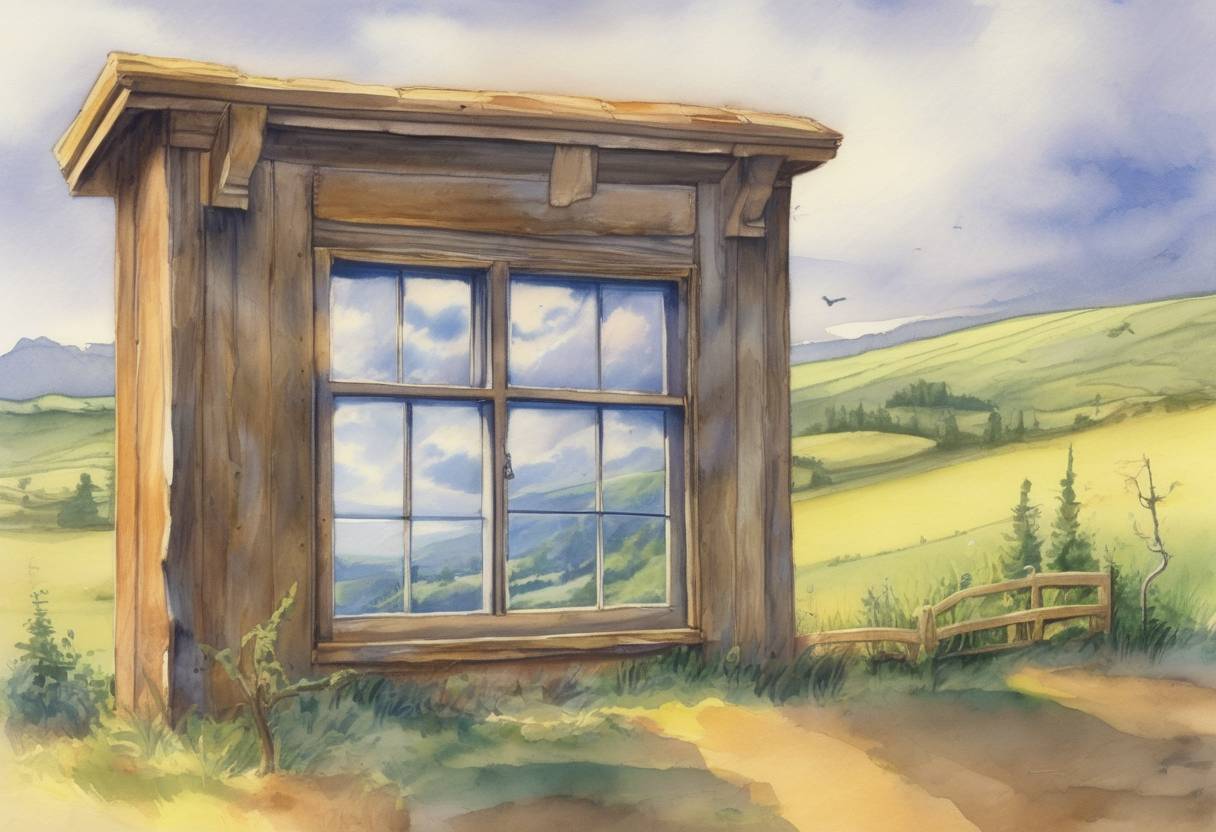
Cultural Impact: Windows XP’s default wallpaper, “Bliss,” became one of the most recognized images in the world, symbolizing the era of early 2000s computing.
Windows XP’s release on October 25, 2001, marked a pivotal moment in the history of personal computing. Its blend of user-friendly design, robust performance, and versatile functionality set a new standard for operating systems and left a lasting legacy that influenced future developments in the field.
Source: en.wikipedia.org